

Natural guava powder is a raw material with potential skin health benefits. It is gradually entering the research and development landscape of functional foods, oral cosmetic products, and topical skincare formulations. Why Is Guava Powder Good For Skin?
What is the Nutritional Composition of Guava Powder?
Natural guava powder is produced from fresh guava fruit through physical processing methods such as drying, crushing, and fine grinding. Depending on the guava variety and the manufacturing process used, the powder can retain a wide range of valuable nutrients and bioactive compounds.

• Vitamin C
One of the most notable components is vitamin C. Guava is widely recognized for its exceptionally high vitamin C content, often exceeding that of many citrus fruits. Every 100 grams of fresh guava pulp typically contains approximately 200–400 mg of vitamin C. When processed into powder using low-temperature drying technology, the retention rate of vitamin C can remain as high as 70%–85%, helping preserve its antioxidant value.
• Polyphenolic compounds
Guava bulk powder is also rich in polyphenolic compounds, including gallic acid, catechins, quercetin, and chlorogenic acid. These compounds contribute significantly to its antioxidant and anti-inflammatory properties. The total polyphenol content is generally around 5–15 mg gallic acid equivalents per gram of dry weight.
• Carotenoids
In addition, natural guava powder contains important carotenoids, primarily β-carotene and lycopene. Red-fleshed guava varieties usually contain higher levels of lycopene compared to white-fleshed varieties, making them particularly valuable for antioxidant formulations.
• Dietary fiber
Another major nutritional component is dietary fiber. Natural guava powder typically contains 30%–50% total dietary fiber, with the ratio of soluble to insoluble fiber being approximately 1:2, which supports digestive health and gut function.
• Minerals
Furthermore, natural guava powder provides essential minerals, including potassium, magnesium, zinc, and selenium, as well as organic acids such as citric acid and malic acid, which contribute to flavor, stability, and nutritional functionality.
Is Guava Powder Good For Skin?
Antioxidant Effects: Reducing Oxidative Stress
External factors such as UV radiation and pollution can induce the excessive production of reactive oxygen species (ROS) in the skin. ROS can damage collagen, elastin fibers, and cellular DNA, thereby accelerating skin aging.
The vitamin C, polyphenols, and carotenoids in natural guava powder work synergistically to exert antioxidant effects. In vitro experiments have shown that polyphenol extracts from guava leaves or fruits can scavenge DPPH and ABTS free radicals. Vitamin C can directly neutralize superoxide anions and hydroxyl radicals while also helping to regenerate vitamin E. Lycopene has a strong scavenging ability against singlet oxygen.
For the beauty industry, guava fruit powder can be used as a natural raw material in antioxidant complex formulations for oral beauty products, helping to reduce UV-induced oxidative damage.
Delaying Skin Aging
Skin aging is characterized by the degradation of collagen and elastin. Matrix metalloproteinases (MMP-1, MMP-3, and MMP-9) are key enzymes responsible for degrading the extracellular matrix. UV radiation can upregulate MMP expression.
Some studies have shown that natural guava powder can inhibit MMP activity. For example, quercetin and gallic acid in guava leaves reduce MMP-1 secretion in cell models. Polyphenolic guava fruit powder has also shown an inhibitory trend toward MMP-2 and MMP-9. Although most of the current evidence comes from in vitro or animal experiments, the mechanism is clear, highlighting the anti-photoaging potential of guava powder.

Improving Sensitive Skin or Acne
Chronic low-grade inflammation is a common underlying factor in many skin problems, including acne, rosacea, eczema, and photoaging.
The polyphenols in natural guava powder, especially ellagic acid and gallic acid, can inhibit the nuclear factor κB pathway, thereby reducing the production of pro-inflammatory factors such as tumor necrosis factor-α, interleukin-6, and interleukin-1β. Furthermore, the zinc in guava powder also participates in regulating the inflammatory response.
For acne-prone skin, the anti-inflammatory properties of guava powder may help reduce inflammatory papules. For sensitive skin, it may help relieve erythema and stinging. These functions make it suitable for developing oral or topical products targeting inflammatory skin conditions.
Promotes Collagen Synthesis and Maintains Skin Firmness
Vitamin C is an essential cofactor for proline hydroxylase and lysine hydroxylase in collagen synthesis. Vitamin C deficiency hinders collagen synthesis, leading to sagging skin and delayed wound healing.
Natural guava powder provides a natural source of vitamin C, sustainably replenishing the substrate needed for collagen synthesis. Compared with synthetic vitamin C, guava powder also provides multiple synergistic antioxidants, potentially enhancing overall bioavailability. This has direct value for developing oral collagen supplements.
Regulates the Skin Microbiome and Barrier Function
The dietary fiber (pectin) in natural guava powder acts as a prebiotic, helping to regulate the gut microbiota. There is a recognized link between gut microbiota balance and skin health, known as the "gut-skin axis." Some studies indicate that supplementation with fermentable fiber can improve skin conditions in patients with atopic dermatitis or acne. Furthermore, guava extract has inhibitory effects on certain skin pathogens, such as Staphylococcus aureus. Therefore, guava powder can be considered a functional ingredient in gut-skin health products.
Skin Whitening and Tyrosinase Inhibition
Melanin synthesis is catalyzed by tyrosinase. Inhibiting tyrosinase activity is a key strategy for achieving skin whitening or reducing pigmentation. Some studies have shown that extracts from guava leaves or unripe fruits contain gallic acid and ellagic acid, which can competitively inhibit tyrosinase. The inhibitory effect of ripe guava fruit is relatively weaker but still shows potential. Vitamin C itself can also contribute to skin whitening by reducing dopaquinone and inhibiting tyrosinase. Natural guava powder can be used in oral whitening products or topical powder mask formulations.
What Is Guava Powder Used In Skin Industry?
In the beauty and wellness sector, natural guava powder has broad application potential and can be incorporated into a wide range of product categories for B2B clients. Owing to its natural vitamin C content, polyphenols, dietary fiber, and antioxidant compounds, it is increasingly valued as a multifunctional ingredient in both beauty-from-within and topical formulations.
• Oral beauty supplements
For oral beauty supplements, natural guava powder is widely used in solid beverages, tablets, gummies, capsules, and sachet powders. It can be formulated as a standalone ingredient or combined with collagen peptides, hyaluronic acid, coenzyme Q10, and various fruit and vegetable powders to create products that support skin hydration, antioxidant protection, and collagen synthesis.
• Topical powder
In topical powder products, guava juice powder is suitable for applications such as powder masks, cleansing powders, facial scrubs, and body exfoliating products. Its naturally derived vitamin C and plant-based antioxidants enhance its cosmetic value, while its fine powder texture can provide a mild physical exfoliating effect that helps improve skin smoothness.
• Functional foods
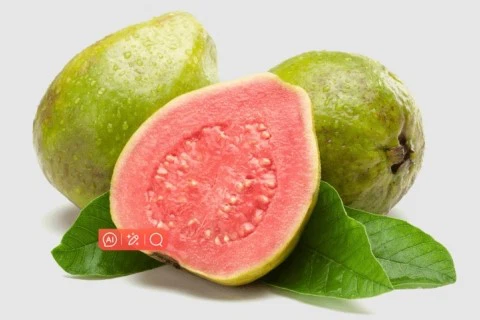
For functional foods, pink guava powder can be incorporated into energy bars, yogurt toppings, nutrition snacks, fruit jams, and beauty-oriented meal replacement products. These applications are particularly suitable for markets that combine beauty, wellness, and daily nutrition.
• Cosmetic additive
As a cosmetic additive, micronized guava fruit powder can also be added to creams, lotions, and emulsions to enhance product functionality. During formulation, particular attention should be given to its hygroscopicity, particle dispersion, color stability, and compatibility with other active ingredients to ensure long-term product quality.
Conclusion
Natural guava powder is rich in vitamin C, polyphenols, and carotenoids, exhibits beneficial effects on the skin in terms of anti-oxidation, anti-inflammation, promoting collagen synthesis, inhibiting MMPs, and potential whitening. Current mechanistic studies are relatively comprehensive, but further human clinical evidence is needed. For B2B beauty industry clients, guava fruit powder can serve as a natural active ingredient in oral and topical beauty formulations. The key to a successful application lies in selecting a supplier with proper processing, sufficient activity retention, and controllable quality.
Guanjie Biotech is a professional guava powder supplier. We focus on the research and development of innovative, high-volume guava powder products and rigorous quality control. Guanjie Biotech's customers are located in over 100 countries. For inquiries, please email at info@gybiotech.com.
References
[1] Verma, A. K., Rajkumar, V., Banerjee, R., Biswas, S., & Das, A. K. (2013). Guava (Psidium guajava L.) powder as an antioxidant dietary fibre in sheep meat nuggets. Asian-Australasian Journal of Animal Sciences, 26(6), 886–895. https://doi.org/10.5713/ajas.2012.12671
[2] Thaipong, K., Boonprakob, U., Crosby, K., Cisneros-Zevallos, L., & Byrne, D. H. (2006). Comparison of ABTS, DPPH, FRAP, and ORAC assays for estimating antioxidant activity from guava fruit extracts. Journal of Food Composition and Analysis, 19(6–7), 669–675.
[3] Upadhyay, R., & Ramamoorthy, S. (2023). Nutritional profiling, antioxidant potential and collagen-building properties of lacto-fermented, microencapsulated guava juice powder. Current Research in Nutrition and Food Science Journal, 11(3).
[4] Kim, S. H., Lee, J. Y., & Park, H. J. (2025). Comparative analysis of physicochemical characteristics, antioxidant compound contents, and antioxidant activities of five guava (Psidium guajava L.) cultivars harvested in Korea. Foods, 13(21), 3456.
[5] Pullar, J. M., Carr, A. C., & Vissers, M. C. M. (2017). The roles of vitamin C in skin health. Nutrients, 9(8), 866.
[6] Telang, P. S. (2013). Vitamin C in dermatology. Indian Dermatology Online Journal, 4(2), 143–146.
[7] Lin, J. Y., & Fisher, D. E. (2007). Melanocyte biology and skin pigmentation. Nature, 445(7130), 843–850.
[8] Addor, F. A. S. (2017). Antioxidants in dermatology. Anais Brasileiros de Dermatologia, 92(3), 356–362.


