

Natural taro powder is an increasingly popular food ingredient. The taste is as complex and culturally rich as its history. To simply describe it as "sweet" or "nutty" is to overlook the intricate symphony of flavors that unfold on the palate. The taste of taro powder is a delicate balance of earthy foundation, subtle nutty sweetness, and a creamy, vanilla-like richness, often with a faint floral hint. So let's talk about the taste of taro powder.
How does taro powder taste?
The taste of natural taro powder can be broken down into several distinct yet harmonious notes:
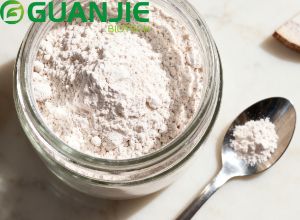
Earthy and Starchy (The Foundation):
The most immediate and fundamental note is an earthy, grounding quality. This is reminiscent of other root vegetables like a sweet potato or yam, but is often described as more refined and less sugary. This earthiness comes from the complex carbohydrates and the very nature of the natural taro powder (the underground plant stem), which grows in soil, absorbing minerals and compounds that contribute to this robust base flavor. It provides a solid, comforting foundation upon which the other, more delicate flavors are built.

Nutty and Buttery (The Heart):
As the earthy initial note settles, a distinct nuttiness emerges. This is often compared to the flavor of roasted chestnuts or almonds. This nutty characteristic is accompanied by a buttery richness that coats the mouth. This sensation is not from added fats but is intrinsic to the structure of taro, which contains certain lipids and aromatic compounds that our senses interpret as creamy and indulgent. This combination is a primary reason for taro's beloved status in desserts.

Subtle Sweetness (The Accent):
Unlike the overt, high-intensity sweetness of fruits or sugar cane, taro powder possesses a very mild, inherent sweetness. It is a whispered suggestion rather than a declaration. This subtle sugar content is unlocked and enhanced through cooking, which is why taro is rarely consumed raw. When natural taro powder is rehydrated and heated, its starches break down into simpler sugars like maltose, slightly amplifying this sweet note and making it more perceptible.

Vanilla and Floral Hints (The Nuance):
Perhaps the most surprising and defining characteristic of high-quality taro powder is its faint vanilla aroma and a whisper of a floral note. This is a key differentiator from other root vegetables. This complex aroma of pure taro powder is due to the presence of volatile compounds, including various aldehydes and ketones, which are released when the powder is mixed with warm liquid or cooked. For many, this unexpected vanilla-like fragrance is the most captivating aspect of its aroma profile.
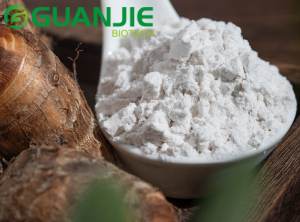
The Textural Component (Mouthfeel):
While not a "taste" in the strict sense, the mouthfeel of prepared natural taro powder is integral to its overall sensory experience. When mixed with liquid, it doesn't just dissolve; it creates a uniquely thick, smooth, and incredibly creamy paste or liquid. This dense, velvety, and almost pudding-like texture significantly enhances the perception of richness and indulgence, making a simple taro drink or paste feel like a luxurious treat.
Factors Influencing the Taste of Taro Powder
The flavor of natural taro powder is not monolithic; it can vary significantly based on several factors:
The Taro Variety:
There are hundreds of varieties of taro (Colocasia esculenta), each with slight variations in starch content, sugar levels, and pigment. Some may be more nutty, while others are more earthy. The choice of variety by the supplier is the first determinant of flavor.
Processing Method:
This is arguably the most critical factor. How the natural taro powder drastically affects its final taste.
• Drying Temperature:
Low-temperature drying methods (e.g., freeze-drying or spray-drying at controlled temperatures) are superior for preserving the delicate volatile compounds responsible for taro's nuanced vanilla and nutty notes. High-temperature drying can cause Maillard browning reactions, which may add a deeper, toastier flavor but can also scorch and destroy the more subtle top notes.
• Pre-cooking:
Some taro powders are made from raw taro that is dried and powdered. Others are made from taro that has been cooked (often steamed or baked) first. Pre-cooking the taro caramelizes its natural sugars slightly, resulting in a powder with a sweeter, deeper, and more pronounced flavor, often with a beautiful light purple hue. Guanjie Biotech, as a bulk supplier, likely offers various grades processed differently to cater to specific customer needs, from raw to pre-cooked formulations.
Additives and Blends:
Pure, 100% taro powder will have the authentic flavor profile described above. However, many commercially available taro mixes, especially those used in bubble tea shops, are not pure. They are often blended with sugar, milk powder, artificial flavors, and purple food coloring (to enhance the visually expected purple color, which isn't always natural in powder form). These mixes will taste much sweeter and creamier, with a stronger vanilla flavor than pure taro powder would on its own.
Preparation Method:
How you use the natural taro powder changes its expression. Simply mixing it into cold milk will yield a different flavor than simmering it into a paste. Heat is necessary to fully "bloom" its starchiness and release its full aromatic potential.
The Cultural and Culinary Lens of Taste
Taste of natural taro powder is not merely a biological reaction; it is deeply cultural. The appreciation for taro's flavor is ingrained in the culinary traditions of many cultures across Asia and the Pacific:
In Chinese Cuisine:
Taro is revered for its ability to absorb flavors and its luxurious texture. It is used in savory dishes like steamed pork with taro, where its earthy, nutty notes complement the richness of the meat. In desserts like wu gok (deep-fried taro dumplings) and taro paste mooncakes, its subtle sweetness and creamy texture are the stars. The taste is associated with comfort, celebration, and sophistication.

In Hawaiian and Polynesian Culture:
Taro (kalo in Hawaiian) is the foundational ingredient of poi, a traditional staple food. The taste of fresh, fermented poi is an acquired one-sour, earthy, and starchy-and is considered the spiritual and physical sustenance of the Hawaiian people. Here, the taste is one of heritage, identity, and sustenance.
• In Japanese Cooking:
Satoimo (taro) is used in nimono (simmered dishes), where its mild flavor soaks up the dashi, soy, and mirin broth. Its taste is associated with home-style cooking, warmth, and umami.
• In Modern Global Cuisine:
The contemporary popularity of natural taro powder is largely driven by its use in sweets and drinks, particularly from Taiwanese bubble tea chains. Around the world, the "taro flavor" has become synonymous with a sweet, creamy, vanilla-like, and visually appealing (purple) experience. This has created a specific and widespread perception of its taste that, while delicious, is often a manufactured version of the authentic, more subtle flavor.
This cultural context shapes our perception. To someone who grew up with savory taro dishes, the sweet, milky bubble tea version might taste unfamiliar. Conversely, someone who knows taro only from bubble tea might be surprised by the earthy, vegetal notes of real taro in a traditional stew.
The Science Behind the Flavor
The unique flavor of natural taro powder is a direct result of its chemical makeup:
Starch:
Taro corms are composed primarily of starch-very small, easily digestible starch granules. This high starch content is responsible for the thick, creamy mouthfeel and the foundational, neutral, starchy taste.
Volatile Aromatic Compounds:
Gas chromatography-mass spectrometry (GC-MS) analyses have identified the key compounds behind natural taro powder's aroma. These include:
• 2,3-Dihydro-3,5-dihydroxy-6-methyl-4H-pyran-4-one:
This compound is a product of the Maillard reaction and is associated with sweet, caramel, and cotton-candy-like aromas.
• Benzacetaldehyde:
Contributes to a sweet, floral, and honey-like scent.
• Phenylacetaldehyde:
Another compound with a strong floral (reminiscent of hyacinth) and honey-like aroma.
• Various Furanones:
These compounds often impart sweet, caramel, and nutty sensations.
The specific combination and concentration of these volatiles is what creates the illusion of vanilla and nuts, even though no such ingredients are present.
Phenolic Compounds and Pigments:
The potential purple color, primarily from anthocyanins, is pH-dependent. These compounds are antioxidants and are generally flavorless but contribute to the "natural" perception of the ingredient. The presence of other phenolics can contribute very slight astringent or bitter notes, which are usually masked by the dominant flavors.
The taste of natural taro powder is a captivating paradox: it is both hearty and delicate, earthy and sweet, simple and complex. It is a flavor built on a robust, starchy foundation but elevated by surprising top notes of vanilla, nuts, and flowers. Its true character is best experienced in its pure, additive-free form. If you need taro powder, we can provide product specifications and processing data sheets. Guanjie Biotech is a bulk taro powder supplier, indicating the use of low-temperature spray-drying technology for their high-quality taro powder products to maximize flavor and nutrient retention. Welcome to enquire with us at info@gybiotech.com.
References:
[1] Huang, C., & Lin, M. (2018). Volatile Profile of Steamed and Baked Taro (Colocasia esculenta* L. Schott) by GC-MS and Olfactometry*. Journal of Food Science and Technology, 55(5), 1723-1733.
[2] Jiang, G., Ramsden, L., & Corke, H. (1999). Characterization of Taro (Colocasia esculenta* L. Schott) Starch from Jamaica*. Starch‐Stärke, 51(5), 167-172.
[3] McGee, H. (2004). On Food and Cooking: The Science and Lore of the Kitchen. Scribner. (Chapter on Vegetables).
[4] Patil, V., & Chauhan, A. K. (2020). Taro: A Review of Nutritional, Medicinal and Processing Properties. International Journal of Chemical Studies, 8(4), 2978-2985.


