

Pure almond powder - also commonly referred to as almond flour - is an ingredient widely used in food manufacturing, retail baking products, health food sectors, and specialty gluten-free and keto product lines. With the growth of alternative flours in food markets, understanding the shelf life and expiration characteristics of pure almond powder is critical for product quality, inventory management, supply chain efficiency, and regulatory compliance. Does Almond Powder Expire?

What "Expiration" Means for Almond Powder?
In food business and regulatory contexts, pure almond powder typically carries a "best by" or "best before" date, which is not a strict safety deadline. Rather, it represents the period during which the product is expected to deliver optimal quality - aroma, flavor, functional performance in recipes, and nutritional integrity.
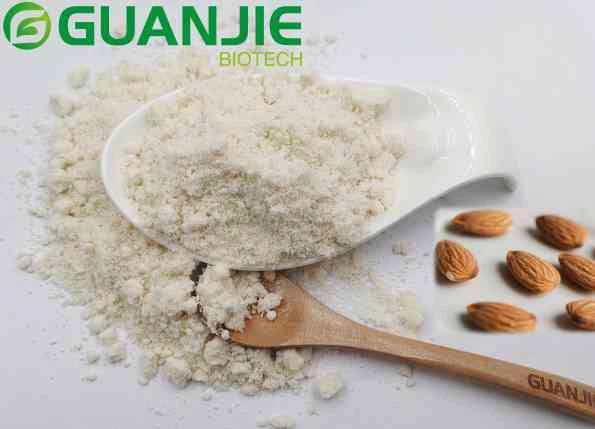
Unlike perishable items such as fresh dairy or meats, Pure Almond Protein Powder is a shelf-stable dry ingredient. The fats contained in ground almonds are susceptible to oxidation, which leads to rancidity over time. Rancidity affects taste and aroma before it poses a food safety risk, but it does ultimately limit useful life.
• In business terms:
Expiration date:
A specific date on a product label after which a manufacturer does not guarantee peak quality.
• Shelf life:
The time period during which the almond flour powder product is expected to remain within quality specifications under defined storage conditions.
• Best by date:
Typically used for dry products like pure almond powder. It is a quality, not a safety, threshold.
In food ingredient supply chains, these distinctions matter because retailers and processors must manage inventory based on how long a product reliably performs in their applications.
What Is Shelf Life?
Manufacturers determine shelf life through accelerated aging tests and real-time studies that measure quality parameters - such as rancidity markers, moisture levels, color, and sensory attributes - under specific storage conditions (temperature, humidity, light exposure). These data are used to set a best-by date displayed on packaging.
In general, almond powder's shelf life is shorter than that of highly refined wheat flour, because the natural oil content in almond powder oxidizes faster. Industry practice suggests:
Unopened pure almond powder stored at room temperature may remain high quality for a period beyond the printed best by date (often 2–3 months).
Refrigerated storage significantly extends quality duration due to slower oxidation and reduced mold risk.
Freezing can extend useful life even longer - often up to or over a year past the best by date - albeit with possible slight changes in texture.
These timeframes are guidelines; actual shelf life depends on storage conditions and packaging effectiveness. Hence, many quality of pure almond powder assurance programs use warehouse environmental monitoring and first-in, first-out (FIFO) stock rotation to optimize inventory use before quality declines.
Does Almond Powder Expire?
Yes, pure almond powder does expire. Like many nut-based products, almond powder contains natural oils that can go rancid over time. Rancidity is a chemical process in which the fats break down, producing unpleasant odors and flavors, and potentially reducing nutritional quality. Therefore, even if almond powder looks fine, its quality may decline after a certain period.
Why Almond Powder Can Expire?
Pure almond powder is made by grinding almonds into a fine powder. Unlike whole almonds, which have a naturally protective skin and lower exposure to air, almond powder has an increased surface area and is more susceptible to environmental factors. This makes it prone to oxidation and microbial growth, which are the primary causes of expiration.

Oxidation of Fats
Almonds are naturally high in unsaturated fats. When almonds are ground into powder, these fats are exposed to oxygen. Over time, this exposure leads to a chemical reaction called oxidation, causing the fats to break down. Oxidation results in a rancid taste and unpleasant smell, which indicates that the almond powder has degraded. Even if the almond flour powder appears normal, rancid oils can reduce nutritional quality and may affect other ingredients in formulations.

Moisture Absorption
Pure almond powder is hygroscopic, meaning it can absorb moisture from the surrounding environment. If stored in humid conditions or not sealed properly, the absorbed moisture can create ideal conditions for microbial growth, including mold and bacteria. This not only shortens the shelf life but can also pose health risks to consumers. Maintaining low moisture content is therefore crucial for prolonging the usability of almond nut powder.

Light and Temperature Effects
Exposure to light and high temperatures can accelerate both oxidation and moisture degradation. Heat can break down sensitive nutrients, such as vitamin E, and speed up fat oxidation. Similarly, light can catalyze chemical reactions in fats and proteins, reducing overall quality. Almond powder stored in warm, bright environments may expire faster than powder stored under controlled conditions.

Shelf Life of Almond Powder
The shelf life of pure almond powder depends on several factors, including processing, packaging, and storage. Typically, commercially packaged almond powder lasts between 6 to 12 months when stored in a cool, dry place. Vacuum-sealed or nitrogen-flushed packaging can extend shelf life up to 18 months by reducing oxygen exposure. For bulk almond powder suppliers like Guanjie Biotech, quality control and advanced packaging techniques are crucial to ensure the product remains stable during transportation and storage.
Signs of Expired Almond Powder
For both businesses and consumers, identifying expired almond flour powder is important to ensure product quality and safety. Almond powder is rich in healthy fats, which can degrade over time, leading to noticeable changes in smell, appearance, and taste.
• Smell
One clear sign of expiration is a rancid smell or taste. When the fats in pure almond powder oxidize, the powder develops a strong, bitter, or sour odor. Using powder with this smell can negatively affect the flavor of your recipes or products.
• Clumping or discoloration:
Another sign is clumping or discoloration. Natural Almond powder can absorb moisture from the environment, causing lumps or dark spots to form. This not only affects the texture but may also indicate microbial growth.
• Flavor
Finally, an off flavor in food applications can signal that the almond fine flour is no longer fresh. Even subtle changes in taste can impact the final quality of baked goods, smoothies, or nutritional supplements.
Regularly checking pure almond powder before use helps maintain product integrity, protects consumers, and ensures consistent results in food production.
How To Store Almond Powder?
Proper storage is essential to keep pure almond powder fresh and maintain its quality. Here are the key points:
• Keep It Cool and Dry:
Store low-fat almond flour in a place free from heat and moisture. A pantry or a temperature-controlled warehouse works best. Avoid areas near ovens or humid spots.
• Use Airtight Packaging:
Store the pure almond powder in resealable containers or vacuum-sealed bags. This reduces exposure to air, which can cause the powder to go stale or develop off-flavors.
• Avoid Sunlight:
Light can degrade almond powder over time. Keep it in opaque containers or dark storage areas to prevent light-related quality loss.
• Follow FIFO System:
Rotate your inventory using a first-in, first-out approach. This ensures older pure almond powder batches are used before newer ones, helping maintain consistent quality.
By following these steps, you can extend the shelf life and keep the almond powder in top condition.
From a business perspective, sourcing pure almond powder from a reputable supplier ensures consistent quality and longer shelf life. Guanjie Biotech is a trusted bulk almond powder supplier known for high-quality products at competitive prices. Our bulk almond powder undergoes rigorous quality control and meets international standards, including HALAL, HACCP, ISO, and KOSHER certifications. Proper packaging and storage practices further guarantee that the almond powder remains fresh and effective for commercial use.
Conclusion
Pure almond powder does expire due to its natural oil content, moisture sensitivity, and environmental factors. Proper storage, high-quality processing, and reliable suppliers are essential to maintaining freshness, safety, and nutritional value. Choosing a reputable almond fine flour supplier like Guanjie Biotech ensures access to high-quality almond powder at competitive prices, backed by trusted certifications. Welcome to enquire with us at info@gybiotech.com.
References
[1] Shahidi, F., & Zhong, Y. (2010). Lipid Oxidation and Improving the Oxidative Stability. Chemical Society Reviews, 39(11), 4067–4079.
[2] Gallagher, E., et al. (2004). Nut Flours: Composition, Quality, and Applications. Journal of Food Science, 69(6), FCT102-FCT107.
[3] USDA. Nuts and Their Storage: Shelf Life and Quality Considerations. United States Department of Agriculture, 2022.
[4] Singh, P., & Sharma, H. Food Processing and Nut-Based Ingredients: Stability and Quality. Springer, 2021.


