

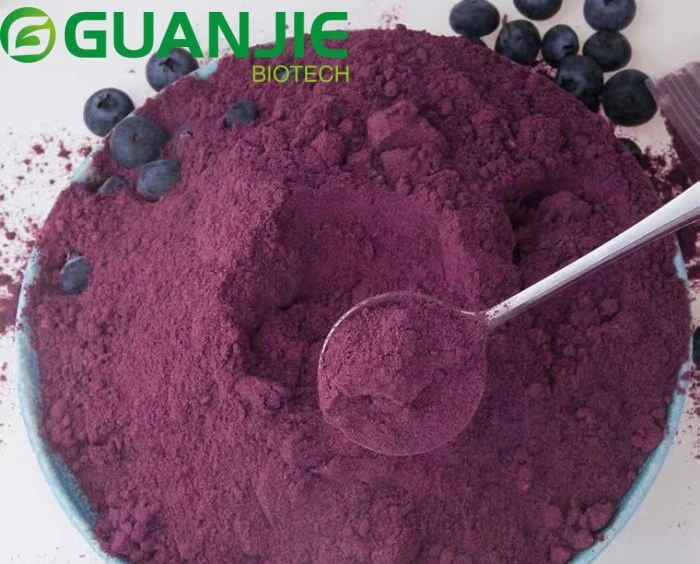
Natural Blueberry powder is a powdered ingredient derived from fresh blueberries. It is made by dehydrating blueberries and then grinding them into a fine powder. This form of blueberry retains much of the fruit's natural nutrition. For companies sourcing and using pure blueberry powder in food, beverage, nutritional, and dietary supplement products, does blueberry powder have fiber?
What Is Dietary Fiber?
Dietary fiber refers to the parts of plant foods that the human body cannot fully digest or absorb. Unlike fats, proteins, or carbohydrates that break down and provide calories, dietary fiber passes relatively intact through the digestive system. It is categorized into two main types:
• Soluble fiber:
This type dissolves in water and forms a gel-like substance in the digestive tract. Soluble fiber can help with blood sugar regulation and lowering cholesterol.
• Insoluble fiber:
This type does not dissolve in water. It adds bulk to stool and helps maintain regular bowel movements.
Both types of fiber play significant roles in digestive health, metabolic regulation, and overall wellness. Foods high in fiber are often associated with benefits such as improved gut health, balanced blood glucose levels, and increased satiety, which may support weight management.
Because Natural blueberry powder is derived entirely from blueberries, it retains the dietary fiber inherent in the whole fruit. Fiber remains an important nutritional component even after dehydration and milling into powder form.
How Much Fiber in Blueberry Powder?
Blueberry powder does contain fiber. In fact, its fiber level can be much higher than the level found in fresh blueberries. The reason is simple: Natural blueberry powder is a concentrated form of the fruit. When water is removed during drying, the natural nutrients in blueberries become denser. Fiber is one of the nutrients that increases in concentration after drying and milling.

However, the exact fiber content is not the same in every type of blueberry powder. Several technical factors influence the final number:
• The type of blueberry used (for example, cultivated versus wild berries).
• The condition of the raw material (fresh, frozen, or processed).
• The drying process (freeze-drying, air drying, oven drying, or spray drying).
• Whether the powder is made from whole fruit, juice concentrate, or an extract-based blend.
• The intended concentration level of the finished product.
Because of these differences, buyers should not assume that all blueberry powders deliver the same amount of dietary fiber. A review of third-party nutritional data shows a wide but favorable range. Many commercial natural blueberry powders list double-digit dietary fiber levels per 100 grams of material. This is a strong indicator that whole-fruit blueberry powders retain a meaningful portion of natural fruit fiber.
Some examples help explain the range. Certain suppliers list around 12 grams of dietary fiber per 100 grams of Natural blueberry powder. Other suppliers, particularly those producing freeze-dried powders with minimal carrier ingredients, may report around 20 to 24 grams of fiber per 100 grams. When compared to the original fruit, this difference is easy to understand. Fresh blueberries generally contain around 3 to 4 grams of fiber per 100 grams. Once the moisture is removed, the final product weighs less but still carries most of the original solids. As a result, the same serving weight delivers a higher concentration of fiber.
Buyers should also understand that labeling practices may create some confusion. In certain finished powders, the fiber value may appear lower. Reasons for this include:
• addition of carrier agents such as maltodextrin, which reduces the overall fruit content
• production of powders from juice rather than whole fruit, which removes skins and pulp where most fiber exists
• proprietary blends in which blueberry powder is only a minor ingredient
• labeling systems that round down fiber values or display simplified figures
These situations do not reflect the performance of true whole-fruit Natural blueberry powder. When a powder is produced from whole blueberries using freeze-drying and mechanical milling, the fiber content normally remains meaningful. The skins of blueberries are a primary fiber source, and these remain intact during proper whole-fruit processing. Powders that discard skins or rely on juice concentrate will naturally show much lower fiber numbers. This is why some listings may show almost no fiber at all. These are outliers and should not be considered representative of standard blueberry powder in the market.
From a commercial perspective, high-fiber Natural blueberry powder supports several product categories. It fits in nutritional beverages, bakery formulations, functional snacks, cereal blends, dairy-based applications, gummies, and capsule supplements. Industrial buyers often monitor fiber content because fiber is a value-added claim for product marketing. In finished product labeling, manufacturers can position blueberry powder as a natural fiber source, provided that the dosage and formula support a qualifying nutrient claim under regulatory guidance.
The presence of fiber also influences process behavior. Dietary fiber can support water-holding capacity, viscosity, and texture modification. These technical properties are useful in bar manufacturing and bakery systems. At the same time, high fiber levels may require attention to flowability and dispersibility during dry-mix handling. For beverage manufacturers, ultrafine milling helps prevent sedimentation when fiber-rich powders are added to liquids.

From a nutrition standpoint, fiber in Natural blueberry powder may assist digestive function, glycemic control, and satiety. While blueberry powder is not positioned as a therapeutic fiber supplement, the natural fiber contribution can enhance the nutritional label of health-positioned products. Blueberries also contain polyphenols, anthocyanins, vitamins, and other micronutrients. Fiber works alongside these compounds to help manufacturers support messages around whole-food nutrition.
To evaluate Natural blueberry powder for fiber contribution, commercial buyers should request the following documents:
• certificate of analysis with measured dietary fiber
• product specification sheet detailing production method
• full ingredient declaration
• information on carriers or anticaking agents
• origin of the fruit material
This information allows proper comparison between suppliers and ensures that a buyer pays for real fruit content rather than fillers. In summary, blueberry powder can be a strong natural fiber source, but the actual level depends on how the powder was made. Buyers who require high fiber should confirm whole-fruit processing and minimal carrier addition.
Why Fiber is Important in Blueberry Powder?
For businesses that manufacture, market, or supply natural blueberry powder, fiber content has specific commercial and regulatory importance:
● Nutritional Positioning and Marketing Claims
Dietary fiber is a key consumer interest when labeling products. Many health-conscious consumers actively seek high-fiber foods because of their perceived benefits, including improved digestive health and metabolic support. Products that can substantiate claims such as "good source of dietary fiber" or "high in dietary fiber" often enjoy stronger market differentiation.
Regulatory bodies such as the U.S. FDA, European EFSA, and others provide guidelines on when a product can bear nutrient content claims for fiber. Having a clear, verifiable analysis of fiber content allows a company to make compliant nutrition claims on packaging and in marketing materials.
● Product Formulation Benefits
In functional foods, beverages, nutritional bars, and powdered supplements, fiber influences texture, mouthfeel, and stability. Natural Blueberry powder's fiber can contribute to thickness in smoothie mixes, improve the mouthfeel of yogurt blends, and augment the nutritional profile of baked goods and snack bars.
●Consumer Trends Towards Gut Health
The fiber economy - products marketed around digestive health and gut microbiome support - continues to grow. Natural Blueberry powder with significant fiber content aligns well with this trend, enabling companies to appeal to consumers interested in prebiotic and digestive benefits.
● Labeling Transparency and Consumer Trust
Modern consumers scrutinize ingredient lists and nutrition facts panels. Transparent communication about blueberry powder's fiber content - supported by quality testing - strengthens trust and brand credibility.
Because Guanjie Biotech's Natural blueberry powder is derived from carefully selected blueberries and processed under strict quality standards, customers can confidently list accurate fiber content on their products' nutrition labels.
The fiber present in Natural blueberry powder includes both soluble and insoluble fractions. While the precise ratios may vary slightly by species and processing, both forms are retained in the powder because they are structural components of the fruit's cell walls.
• Soluble fiber supports blood glucose regulation and may assist in lowering LDL cholesterol.
• Insoluble fiber supports regularity and stool bulk.
From a business perspective, being able to communicate that Natural blueberry powder contains both types of fiber adds value to product positioning, especially for health-oriented brands emphasizing digestive and metabolic wellness.

What Is Used of Fiber in Blueberry Powder?
Blueberry powder's fiber content supports a wide range of product applications. Key areas include:
Functional Food and Beverage Products
Manufacturers can incorporate natural blueberry powder into health drinks, smoothies, breakfast cereals, nutrition bars, and snack foods. The fiber contributes to texture and nutrition while blueberry flavor and color enhance product appeal.
Dietary Supplements
Powdered forms are popular in capsules, sachets, and drink mixes marketed for digestive support, antioxidant support, or general wellness. Highlighting fiber content is often an advantage in supplement positioning.
Clinical and Wellness Nutrition
Fiber-rich Natural blueberry powder may be used in therapeutic nutrition products designed for digestive health, weight management, or blood sugar control support. Reliable fiber content data underpins clinical formulation and claims.
Baking and Culinary Applications
Blueberry powder is also used in baking mixes, desserts, confectionery, and sauces. Even in culinary uses, the nutritional advantage of added fiber can be a selling point for brands that target health-conscious consumers.
Guanjie Biotech stands out as a bulk blueberry powder supplier that emphasizes high quality and reliability. Our Natural blueberry powder products meet multiple international standards.
Conclusion:
In summary, Natural blueberry powder does contain dietary fiber, and in concentrated form compared to fresh blueberries. The fiber in blueberry powder - both soluble and insoluble - contributes to digestive health benefits, supports metabolic functions, enhances product formulation, and is a valuable nutritional attribute that resonates with modern consumers. The typical fiber content of blueberry powders ranges significantly, but many products contain from around 12 grams to over 20 grams of fiber per 100 grams of powder, depending on processing and composition.
From a business standpoint, fiber content enhances the appeal of Natural blueberry powder as an ingredient in functional foods, dietary supplements, beverages, and nutritional products. Accurate labeling, regulatory compliance, and transparent communication about fiber content help brands differentiate their offerings in competitive markets.
Guanjie Biotech provides high-quality, competitively priced bulk blueberry powder that supports these commercial needs, backed by multiple international certifications to facilitate global market access.
Reference
[1] Slavin, J. L. (2013). Dietary Fiber and Body Weight. Nutrition, 29(5), 639–642.
[2] McKay, D. L., & Blumberg, J. B. (2007). A Review of the Bioactivity and Potential Health Benefits of Blueberries. Nutritional Research, 27(7), 759–777.
[3] U.S. FDA. (2020). Guidance for Industry: Nutrient Content Claims.


