

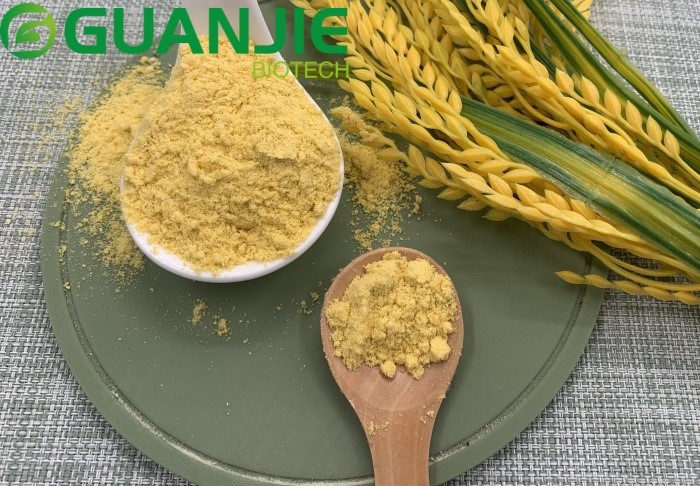
Dried corn powder, made by finely grinding dried corn kernels, is a versatile ingredient used globally in various culinary traditions, especially in baking, frying, and preparing traditional dishes. It's not only cherished for its texture and flavor but also recognized for its rich nutritional content. In this article, we'll explore in detail the nutritional components of corn powder, including its proteins, carbohydrates, fats, fibers, vitamins, and minerals, and examine the health benefits they provide.
Basic Composition
corn powder primarily consists of carbohydrates, proteins, fats, dietary fiber, and water. The exact proportions vary depending on the processing method and type of corn used, but typically, the main constituents include:
•Carbohydrates:
Sweet corn powder is rich in carbohydrates, mainly in the form of starch, which serves as a primary source of energy.
•Proteins:
While relatively low in protein compared to other grains, dried corn powder still contains essential amino acids beneficial for health.
•Fats:
It has a low-fat content, and the fats present are mainly unsaturated fatty acids, which are nutritionally valuable.
•Dietary Fiber:
Dried corn powder is a good source of dietary fiber, particularly if it's less processed. Fiber supports digestive health and regularity.
Nutritional Components
(1)Carbohydrates
Dried corn powder's carbohydrate content is mainly in the form of starch. Starch is a complex carbohydrate that is broken down into glucose during digestion, providing a steady supply of energy.
Starch:
The primary carbohydrate in corn powder, starch is quickly digested and utilized by the body for energy.
Sugars:
Corn powder also contains small amounts of simple sugars such as glucose, fructose, and sucrose, which provide immediate energy.
Typically, carbohydrates make up about 70% to 80% of the total weight of corn powder.
(2)Protein
Dried corn powder contains moderate amounts of protein, although it's not a complete protein source due to lower levels of essential amino acids like lysine. However, when consumed with legumes (which are high in lysine), corn powder can form a more complete protein profile.
Main Amino Acids:
Includes glutamic acid, aspartic acid, serine, and glycine, which are vital for cellular repair and metabolism.

(3)Fats
Dried corn powder is low in total fat, but the fats it contains are mainly healthy unsaturated fatty acids such as linoleic acid and oleic acid.
Unsaturated Fats:
These fats help maintain healthy cholesterol levels and support cardiovascular health.
Saturated Fats:
Present in very small quantities, making corn powder a better choice than high-saturated-fat foods like red meat.
(4) Dietary Fiber
Dried corn powder contains both soluble and insoluble fiber, which support gut health:
Soluble Fiber: Helps lower blood lipid levels and supports cardiovascular health.
Insoluble Fiber: Promotes bowel regularity and helps prevent constipation.
Fiber also plays a role in controlling blood sugar levels and can aid in weight management by promoting satiety.
(5)Vitamins
Dried corn powder is a good source of several essential vitamins, particularly B vitamins, vitamin E, and provitamin A (beta-carotene).
•B Vitamins:
Includes B1 (thiamine), B3 (niacin), B5 (pantothenic acid), and B6 (pyridoxine). These support energy metabolism, brain function, and skin health.
•Vitamin E:
A powerful antioxidant that protects cells from free radical damage and supports immune function.
•Vitamin A (Beta-Carotene):
Especially present in yellow corn varieties, beta-carotene is converted into vitamin A in the body, crucial for vision and immune health.
(6)Minerals
While not as mineral-rich as some other foods, corn powder still contributes important minerals:
Magnesium: Supports muscle and nerve function and helps regulate blood sugar and blood pressure.
•Iron:
Aids in the production of red blood cells and helps prevent anemia.
•Zinc:
Important for immune function, wound healing, and DNA synthesis.
•Phosphorus:
Vital for bone and teeth health and involved in energy production.
Nutritional Benefits
Dried corn powder provides several unique health benefits due to its nutritional profile:
•Sustained Energy
The high carbohydrate content, particularly complex starches, makes corn powder an excellent source of long-lasting energy. It's ideal for people with high energy needs, such as athletes or physically active individuals.

•Supports Heart Health
Dried corn powder's low saturated fat and high fiber content contribute to cholesterol management, reducing the risk of cardiovascular diseases. The presence of unsaturated fatty acids also supports heart health.
•Aids Digestion
Dietary fiber in corn powder helps improve bowel movements, prevent constipation, and promote gut microbiome balance.
•Boosts Immune Function
The vitamins and minerals in corn powder-especially vitamin B6, E, and zinc-play important roles in supporting the immune system.
•Gluten-Free Option
Naturally gluten-free, corn powder is a safe and nutritious alternative for people with celiac disease or gluten sensitivities.
Applications
Dried corn powder is a highly versatile ingredient found in both traditional and modern recipes around the world:
Baking
Dried corn powder is used in baking breads, cakes, cookies, and pancakes, providing a distinctive flavor and golden color. It's often blended with wheat flour or used alone in gluten-free recipes.
Traditional Dishes
Dried corn powder is the main ingredient in many traditional foods:
In Mexican cuisine, it's used to make tortillas, tamales, and empanadas.
In Indian cooking, it's a component of makki di roti (corn flatbread).
In African and Caribbean cuisines, it's used in porridges and dumplings.
Thickening Agent
corn powder is commonly used to thicken soups, gravies, and sauces, as it creates a smooth and consistent texture.
Nutritional Comparisons
When compared to other flours, corn powder offers unique advantages:
|
Type of Flour |
Carbohydrates (%) |
Protein (%) |
Fiber (%) |
Gluten |
Vitamin B1 |
Iron |
|
corn powder |
70–80 |
6–9 |
7–10 |
No |
High |
Moderate |
|
Wheat Flour |
65–75 |
10–13 |
2–3 |
Yes |
Moderate |
Moderate |
|
Rice Flour |
75–85 |
5–7 |
1–2 |
No |
Low |
Low |
corn powder is particularly beneficial for those who are gluten intolerant or those looking to increase their fiber intake.
Dried corn powder is not just a common pantry item-it's a nutritionally valuable food source. With high levels of complex carbohydrates, fiber, essential vitamins, and minerals, it provides numerous health benefits, including sustained energy, digestive support, cardiovascular protection, and immune system enhancement. As a naturally gluten-free option, it is suitable for a wide variety of diets and recipes. Whether used in baking, traditional cuisine, or as a thickener, corn powder offers both flavor and nutrition.
Guanjie Biotech's dried corn powder is made from premium, non-GMO corn through advanced processing techniques, ensuring high purity and natural nutrition. Rich in carbohydrates, dietary fiber, and essential vitamins, it serves as an excellent ingredient for food, beverage, and health supplement applications. Our corn dried powder offers a fine texture, mild flavor, and is ideal for use in baking, snacks, soups, and baby food. It is 100% natural, gluten-free, and free from artificial additives. Certified by HALAL, KOSHER, HACCP, and ISO 9001, Guanjie's corn powder guarantees quality, safety, and consistency in every batch. Welcome to enquiry at info@gybiotech.com.


