

Pure green tea powder and green tea leaves each have their unique advantages and disadvantages, and it's not easy to simply say which one is better. This passage will provide a detailed comparison of green tea powder and green tea leaves.
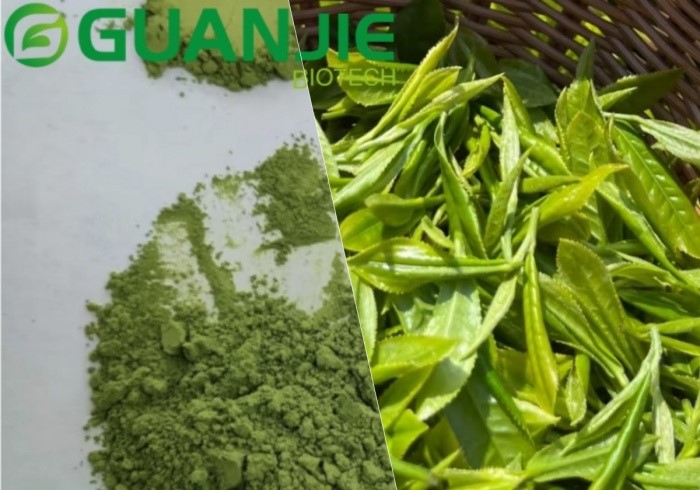
Green Tea Powder & Green Tea Leaves
Green tea is one of the most popular teas in the world, renowned for its unique fragrance and health benefits. Green tea powder and green tea leaves are two common forms of green tea. They both come from the same plant, the tea tree, but differ significantly in processing and usage. This article will compare the advantages and disadvantages of green tea powder and green tea leaves to help you choose the product that best suits your needs.
Green tea leaves refer to tea leaves that are processed through traditional methods such as killing, rolling, and drying after being picked. Green tea leaves are typically consumed by soaking them in water, allowing the leaves to release their unique flavor and nutrients.
Pure green tea powder is finely ground green tea leaves. A well-known green tea powder is matcha. Green tea powder is typically dissolved directly in water or used in cooking and beverage preparation, which helps retain the natural ingredients and nutrients of the tea leaves.
Advantages and Disadvantages of Green Tea Powder
(1)Advantages:
•Higher Nutrient Concentration:
Since natural green tea powder is made from whole tea leaves, it retains more nutrients than green tea leaves. For instance, green tea powder provides higher concentrations of antioxidants, such as tea polyphenols and catechins.
•Convenient Consumption:
Pure green tea powder is easy to use. It can be directly dissolved in water or added to food and drinks, making it ideal for modern, fast-paced lifestyles. Whether brewing tea, making smoothies, or adding to desserts, green tea powder offers convenience.
•Better Solubility:
Bulk Green tea powder dissolves easily in water, eliminating the need for filtering, which makes it more suitable for certain recipes in beverages or food.
•Versatility:
Pure green tea powder can be consumed directly, used in baking, making ice cream, or as a seasoning, adding flavor and nutritional value to food.
•Long-Term Storage:
Green tea powder can be stored for a longer period under proper conditions. High-quality green tea bulk powder, like matcha, remains stable in flavor and nutritional content if stored correctly.

(2)Disadvantages:
•Higher Price:
Pure green tea powder, especially high-quality matcha, is usually more expensive than green tea leaves. The more complex production process and the grinding of the whole tea leaves contribute to the higher cost.
•Potential Bitterness:
Green tea powder has a stronger taste, which may sometimes include bitterness, especially with high-concentration powders, which may not appeal to everyone.
•Difficulty in Controlling Concentration:
When using green tea powder, it can be challenging to precisely control the concentration of each drink. Although some prefer a strong flavor, others may find a higher concentration too overpowering.
•High Production Standards:
The production of pure green tea powder requires strict control, especially for high-quality powders. If the tea leaves or production process are not carefully managed, it may affect the taste and nutritional value.
Advantages and Disadvantages of Green Tea Leaves
(1)Advantages:
•More Natural:
Green tea leaves are kept in their original form without being ground, appealing to consumers who value natural and unaltered products.
•Variety of Flavors:
The tea brewed from green tea leaves is typically fresher. Different types of green tea leaves offer a range of flavors, from light and delicate to robust, catering to different taste preferences.
•Enjoyable Brewing Experience:
Brewing tea is an enjoyable process for many. The warmth and relaxation of making tea, along with the unique aroma released as the leaves steep, add to the experience.
•Relatively Affordable:
Compared to green tea powder, green tea leaves are generally more affordable, especially for standard varieties. They are an economical choice for everyday consumption.
Easier Concentration Control: When brewing tea, consumers can adjust the steeping time and water temperature to control the strength of the tea, ensuring it suits their taste.

(2)Disadvantages:
•Inconvenience in Brewing:
Green tea leaves require steeping, which takes time. Additionally, special utensils may be needed, and the leaves need to be filtered, which can be inconvenient for some.
•Potential Waste:
If green tea leaves are steeped multiple times, the effective ingredients may be depleted, leading to nutrient loss and waste.
•Storage Challenges:
If not stored properly, green tea leaves can lose their aroma and nutrients. They need to be kept in a dry, dark, and cool environment to prevent moisture, mold, or deterioration.
Comparison of Nutrients
•Tea Polyphenols and Antioxidants:
Both green tea leaves and pure green tea powder are rich in tea polyphenols, particularly catechins, which have strong antioxidant properties and may help with anti-aging and preventing cardiovascular diseases. Green tea powder, being made from the whole leaves, has a higher concentration of these antioxidants.
•Vitamins and Minerals:
Both green tea leaves and green tea powder are rich in vitamins and minerals like vitamin C, B vitamins, potassium, calcium, and magnesium. While green tea powder has a higher nutritional density, the difference between the two is not significant.
•Amino Acids:
Green tea contains various amino acids, including theanine, which promotes relaxation and stress relief. Green tea powder contains a higher concentration of amino acids, as it retains the entire tea leaf.
Comparison of Taste and Flavor
There is a distinct difference in taste between green tea powder and green tea leaves. Green tea powder has a stronger and more concentrated flavor, while the taste of green tea leaves is more diluted due to the brewing process, offering a lighter taste.
•Green Tea Powder:
Pure green tea powder has a more intense flavor, making it ideal for those who enjoy bold tea tastes. Powders like matcha also have a unique herbal aroma, providing a distinct flavor to beverages and food.

•Green Tea Leaves:
Green tea leaves offer a fresher, milder taste and are suited for those who prefer a lighter tea experience. Since it's a traditional method of tea brewing, the flavor depends on the quality of the leaves and the brewing time.
How to Choose?
Choosing between pure green tea powder and green tea leaves depends on your personal preferences and needs.
If you seek a high concentration of nutrients and want something that can easily be incorporated into food or drinks, green tea powder may be a better choice.
If you appreciate traditional tea culture, enjoy the process of brewing tea, and prefer the flavor variations of tea leaves, green tea leaves may be more suitable for you.
Conclusion
Both pure green tea powder and green tea leaves have their unique advantages and disadvantages, with no clear-cut answer as to which one is better. Natural Green tea powder is ideal for those who prioritize convenience, efficiency, and higher nutrient concentration, while green tea leaves cater to those who appreciate the traditional brewing experience and the natural flavor. Consumers should choose based on their personal needs, lifestyle, and budget.
Guanjie Biotech's pure green tea powder is made from high-quality green tea leaves using advanced low-temperature processing to preserve its natural color, aroma, and active ingredients. With a fine texture and vibrant green color, it dissolves easily and is ideal for use in beverages, food, cosmetics, and nutritional supplements. Our natural Green Tea Powder is 100% natural, non-GMO, and free from additives. It meets HALAL, KOSHER, HACCP, and ISO 9001 standards, ensuring premium quality and safety for global customers. Custom specifications are available upon request at info@gybiotech.com.


