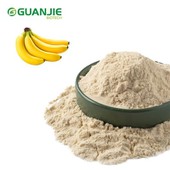
Natural Dragon fruit powder is widely used in the modern dietary supplement industry. Because of its content of betalains, polyphenols, dietary fiber, and micronutrients, it serves not only as a functional active ingredient but also as a natural colorant and flavor enhancer. How is dragon fruit powder utilized in dietary supplement formulations?

Key Physicochemical Properties and Functional Components of Dragon Fruit Powder
In dietary supplement formulation design, the physicochemical properties of dragon fruit powder directly influence the stability, bioavailability, and sensory characteristics of finished products. High-quality red dragon fruit powder is widely used as a natural fruit ingredient in supplements, beverages, and functional foods due to its rich nutritional profile and attractive natural color.
Key Functional Active Ingredients
• Natural Pigments and Antioxidants:
Red-fleshed dragon fruit powder is rich in betalains, including betanin and isobetanin. These natural pigments remain relatively stable within a pH range of 3.5–7.0 and provide strong free-radical scavenging activity.
• Polyphenols and Flavonoids:
Dragon fruit powder contains phenolic acids and flavonols, which provide additional antioxidant benefits and help maintain the stability of sensitive nutrients in dietary supplement formulations.
• Dietary Fiber and Oligosaccharides:
Rich in pectin and non-starch polysaccharides, natural dragon fruit powder provides hydration properties and supports prebiotic applications.
• Processing Characteristics:
Spray-dried dragon fruit powder offers excellent dispersibility and rapid dissolution, while freeze-dried dragon fruit powder better preserves cellular structure and natural nutrients.
Due to its clean-label profile, functional properties, and natural color, bulk dragon fruit powder is increasingly preferred by food, beverage, and supplement manufacturers seeking high-quality fruit-based ingredients. When sourcing ingredients, companies should select a reliable dragon fruit powder supplier with consistent quality control and advanced processing technology.
Application and Formulation Design of Dragon Fruit Powder in Dietary Supplements
In the global dietary supplement sector, dragon fruit powder-also known as pitaya powder-is increasingly utilized across diverse delivery systems. Formulating with spray-dried or freeze-dried organic dragon fruit powder requires addressing specific physicochemical properties, such as high hygroscopicity, poor flowability, and heat-sensitive betalain pigments. Below are key application methods and technical formulation strategies for integrating this nutraceutical ingredient across various supplement dosage forms.

Solid Beverage Powder Mixes
Solid beverages represent the most popular bulk dietary supplement application for dragon fruit powder. To prevent clumping and sediment buildup upon liquid reconstitution, formulators should blend the fruit powder with carrier matrices like maltodextrin or resistant dextrin, alongside anti-caking additives like silicon dioxide. Because raw pink pitaya features a subtle flavor, incorporating citric acid, malic acid, or natural berry flavorings stabilizes the overall sensory profile. Maintaining an acidic system pH between 4.0 and 4.5 is critical to preserve the vibrant pink hue driven by betalain compounds.
Gummies and Functional Gel Dosage Forms
Dragon fruit powder naturally contains water-soluble dietary fiber and pectin, creating a synergistic gelling network when combined with commercial pectin or carrageenan. However, gummy syrup cooking temperatures often exceed 105°C, causing thermal degradation of betalains. To protect this natural colorant, manufacturing processes should utilize a late-stage addition strategy: the organic dragon fruit powder is blended only after the gel base cools to 75–80°C and after acidulants are added, minimizing thermal exposure and preserving active pigments.
Tablets and Hard Capsule Formulations
Standard spray-dried pitaya powder consists of fine, sticky particles with high moisture absorption and poor powder flow. Since direct-compression grade pitaya extract is uncommon, tablet manufacturers must incorporate high-flowability microcrystalline cellulose (MCC 102 or MCC 200) and lactose as binders to optimize compressibility. For hard capsule production, microencapsulated dragon fruit powder is recommended to limit moisture absorption. Formulations must maintain a water activity (aw) below 0.3. Furthermore, plant-derived HPMC capsule shells should replace traditional gelatin shells to prevent moisture-induced cross-linking and shell hardening over time.
Synergistic effects of dragon fruit powder with common active ingredients
In modern functional dietary supplement formulations, organic freeze-dried dragon fruit powder acts as a versatile bioactive base, synergizing with targeted actives to deliver multifaceted health benefits. Formulators strategically pair this natural fruit powder supplement with key ingredients based on distinct functional objectives.
Gut Health and Microbiome Formulations
Digestive health blends rely heavily on synbiotic synergy-the combination of live probiotics and supportive prebiotics. The natural oligosaccharides and water-soluble dietary fiber in bulk dragon fruit powder serve as optimal metabolic substrates, selectively nourishing beneficial strains like Lactobacillus and Bifidobacterium. When combined with digestive ingredients such as inulin, galacto-oligosaccharides (GOS), and spore-forming Bacillus coagulans, high-purity dragon fruit powder batch ingredients significantly improve the blend's dispersibility. Beyond its nutritional contribution, this certified organic pitaya extract enhances the final product's solubility and sensory profile, delivering a smoother consumer experience.
Sports Nutrition and Cellular Recovery Formulations
Physical exertion increases reactive oxygen species, making targeted antioxidant defense essential for athletic recovery. The potent betalains and natural Vitamin C in red pitaya powder work synergistically with polyphenolic botanical extracts-such as grape seed and green tea extract-to neutralize exercise-induced free radicals. A typical sports nutrition mix pairs non-GMO pitaya powder with beetroot extract, branched-chain amino acids (BCAAs), and additional Vitamin C. In this application, the rich magenta hue and gentle taste of dragon fruit antioxidant powder effectively mask the natural bitterness of BCAAs, elevating the flavor profile without artificial additives.
Oral Beauty and Anti-Aging Formulations
Nutricosmetic supplements aim to protect the dermal matrix and slow biological aging. Betalains from sustainably sourced dragon fruit powder help inhibit non-enzymatic protein glycation, minimizing the formation of advanced glycation end-products (AGEs) that degrade collagen. When integrated alongside collagen tripeptides, sodium hyaluronate, and astaxanthin, dragon fruit powder benefits skin elasticity, deep hydration, and structural integrity. This composite beauty formula targets skin health through three distinct pathways: neutralizing oxidative stress, locking in cellular moisture, and replenishing vital extracellular matrix components.
Optimizing Key Processing Parameters and Formulation Stability of Dragon Fruit Powder
During the production and storage of dietary supplements containing dragon fruit powder, maintaining color stability and antioxidant activity is a major consideration for product developers. The stability of natural dragon fruit powder is influenced by several processing and environmental factors, including temperature, pH value, water activity, and packaging conditions. For manufacturers using dragon fruit powder for dietary supplements, beverages, and functional foods, precise control of these parameters is essential to ensure consistent product quality.
Temperature Control During Processing
Betalains are the primary natural pigments responsible for the vibrant color of red dragon fruit powder. However, their thermal stability decreases as processing temperature and heating time increase. Excessive heat exposure can accelerate pigment degradation, resulting in color fading and reduced antioxidant activity.
For liquid beverages, gels, and functional drinks containing dragon fruit extract powder, manufacturers should select mild sterilization technologies such as Ultra-High Temperature (UHT) treatment at 135–140°C for 4–15 seconds or pasteurization at 75–80°C for 15–30 seconds. These controlled heat treatments help minimize betalain degradation while maintaining the natural color and nutritional characteristics of red dragon fruit powder.
Prolonged boiling, excessive blanching, or unnecessarily high-temperature processing should be avoided because these conditions may negatively affect the stability of bioactive compounds.
pH Control for Dragon Fruit Powder Formulations
The pH environment is another important factor affecting the stability of dragon fruit pigments. Betalains generally exhibit good stability within a pH range of 3.0–7.0, with optimal stability typically observed between pH 4.0 and 5.0.
When the formulation pH drops below 3.0, betalain pigments may precipitate or exhibit a noticeable color shift toward yellow. When the pH exceeds 7.0, alkaline hydrolysis can occur, causing structural changes in betalain molecules and the formation of yellow betalamic acid.
For food and beverage manufacturers developing products with bulk dragon fruit powder, buffer systems such as citric acid and sodium citrate can be applied to maintain a stable pH environment. Proper pH adjustment helps preserve the characteristic red-purple color and improves the shelf stability of finished products.
Water Activity and Moisture Management
For solid formulations containing freeze-dried dragon fruit powder or spray-dried dragon fruit powder, moisture control plays a critical role in maintaining physical stability. High moisture levels may increase the risk of powder caking, oxidation, and degradation of active compounds.
The water activity of finished products should ideally be controlled below 0.3 to improve storage stability. Professional dragon fruit powder manufacturers usually recommend high-barrier packaging materials, such as PET/AL/PE aluminum foil composite bags, to reduce moisture absorption from the environment.
The use of desiccants and proper storage conditions can further protect the powder from humidity, preserve antioxidant properties, and extend shelf life.
For companies sourcing natural dragon fruit powder, selecting a reliable dragon fruit powder supplier with advanced drying technology and strict quality control is essential. High-quality processing methods help maintain pigment stability, functional properties, and application performance across dietary supplements, beverages, and clean-label food products.
How To Choose Dragon Fruit Powder?
Dragon fruit powder, including red dragon fruit powder and white dragon fruit powder, is a natural ingredient widely used in dietary supplements, beverages, and functional foods. It contains betalains, polyphenols, and water-soluble dietary fiber, providing antioxidant properties, fiber supplementation, and natural coloring benefits. When selecting bulk dragon fruit powder, manufacturers should consider moisture control, hygroscopicity, heat sensitivity, and processing stability. Choosing a reliable dragon fruit powder supplier with advanced freeze-drying or spray-drying technology ensures consistent quality and application performance.
|
Application Scenarios/Dosage Forms |
Recommended Dragon Fruit Powder |
Formulation addition amount |
Key Quality Control Indicators |
Technical Challenges and Solutions |
|
Functional Solid Beverages |
Spray-dried red-flesh dragon fruit powder |
5% – 25% |
Water solubility ≥ 98% Moisture content ≤ 5.0% Particle size 80–120 mesh |
Challenge: High hygroscopicity leading to caking. Solution: Add 0.5%–1.5% silicon dioxide; maintain ambient relative humidity (RH) below 35%. |
|
Gummies |
Freeze-dried or high-concentration dragon fruit powder |
2% – 8% |
Color intensity (absorbance) pH compatibility (3.8–4.2) Heat stability |
Challenge: Pigment fading due to high temperatures during sugar boiling. Solution: Employ a post-addition process; add the ingredient during the cooling phase at 75°C. |
|
Tablets |
Spray-dried/granulation-grade dragon fruit powder |
3% – 10% |
Angle of repose < 35° Compressibility Water activity (aw) < 0.25 |
Challenge: Sticking to the punch and reduced hardness. Solution: Use a blend of microcrystalline cellulose (MCC) and magnesium stearate; control humidity in the tableting environment. |
|
Oral Liquids/Functional Drinks |
Water-soluble ultrafine dragon fruit concentrate powder |
1% – 5% |
Light transmittance/Clarity Thermal sterilization stability Sedimentation rate < 0.1% |
Challenge: Sedimentation and discoloration after sterilization. Solution: Use a composite stabilizer (microcrystalline cellulose + xanthan gum); reduce the thermal load during sterilization. |
FAQs:
Q1: What dragon fruit powder specifications are available for dietary supplements?
A: Freeze-dried and spray-dried red or white dragon fruit powders are available, with customizable particle sizes, water solubility, and betalain concentrations for diverse formulations.
Q2: What dragon fruit powder specifications does Guanjie Biotech offer for dietary supplements?
A: We supply freeze-dried and spray-dried red or white dragon fruit powder, customizable by particle size, water solubility, and active betalain concentration for various formulas.
Q3: Does Guanjie Biotech support custom OEM and ODM services for dragon fruit supplements?
A: Yes, we provide full OEM/ODM manufacturing, including custom blending, premix formulation, private labeling, and flexible packaging tailored to your brand's specific product requirements.
Q4: How are quality control and safety standards maintained for bulk dragon powders?
A: Every batch of dragon fruit powder undergoes rigorous HPLC testing, heavy metal screening, pesticide residue analysis, and microbial testing to ensure compliance with global nutraceutical standards.
Q5: Which supplement dosage forms work best with dragon fruit powder?
A: The dragon fruit powder is ideal for functional beverage mixes, gel gummies, compressed tablets, hard capsules, and meal replacement powders due to its solubility and color stability.
Q6: What global certifications support international regulatory compliance?
A: Manufacturing partners hold key certifications including ISO9001, cGMP, Halal, Kosher, and ISO22000 to streamline customs clearance and regulatory approval worldwide.
Conclusion:
Looking for a premium wholesale dragon fruit powder supplier in China? Guanjie Biotech, a leading Xi'an, Shaanxi biotech manufacturer, provides high-grade bulk pitaya extract powder rich in betalains, polyphenols, and dietary fiber. Ideal for solid beverages, tablets, capsules, and gummies, our freeze-dried ingredients offer superior antioxidant activity, fiber supplementation, and natural coloration.
During formulation, our technical team manages hygroscopicity (CRH 55%–60%) and heat-light sensitivity. We ensure maximum stability through water activity control (aw < 0.30), optimized pH buffer systems (4.0–5.0), and controlled cooling additions.
Partnering with Guanjie Biotech delivers standardized production with strict betalain, heavy metal, and microbiological testing. Contact our China factory for custom OEM and ODM services. Welcome to enquire with us at info@gybiotech.com.
References:
[1] Tze, N. L., Han, C. P., Yusof, Y. A., Ling, C. N., Talib, R. A., Taip, F. S., & Aziz, M. G. (2012). Physicochemical and nutritional properties of spray-dried pitaya fruit powder as natural colorant. Food Science and Biotechnology, *21*(3), 675–682.
[2] Maigoda, T. C., Darwis, Rizal, A., Yuliantini, E., Kamsiah, Mahyuddin, M., et al. (2017). Red dragon fruit powder as a basic ingredient for functional foods rich in bioactive compounds, nutritional substances and antioxidants. Pakistan Journal of Nutrition, *16*, 714–718.
[3] Liu, B., Ye, C., Geng, L., & Zhou, W. (2019). Betacyanins in dragon fruit peels: The kinetic models of their degradation under different treatment conditions. International Journal of Food Science and Technology, *54*, 2949–2962.
[4] Lira, S. M., Dionísio, A. P., Holanda, M. O., Marques, C. G., da Silva, G. S., Correaa, L. C., & Zocolo, G. J. (2020). Metabolic profile of pitaya (Hylocereus polyrhizus (F.A.C. Weber) Britton & Rose) by UPLC-QTOF-MSE and assessment of its toxicity and anxiolytic-like effect in adult zebrafish. Food Research International, *127*, 108701.
[5] (2022). Betalain-rich dragon fruit (pitaya) consumption improves vascular function in adult men and women: a double-blind, randomized controlled crossover trial. The American Journal of Clinical Nutrition.