100 pure spirulina powder is from a tiny blue-green microalga that packs proteins, essential amino acids, pigments (notably phycocyanin), vitamins, minerals and fatty acids into a concentrated, stable powder. That concentrated nutritional profile helps explain consumer interest-but it does not explain price on its own. The high cost of many spirulina products arises from a chain of real, measurable expenses. Why is Spirulina so Expensive?
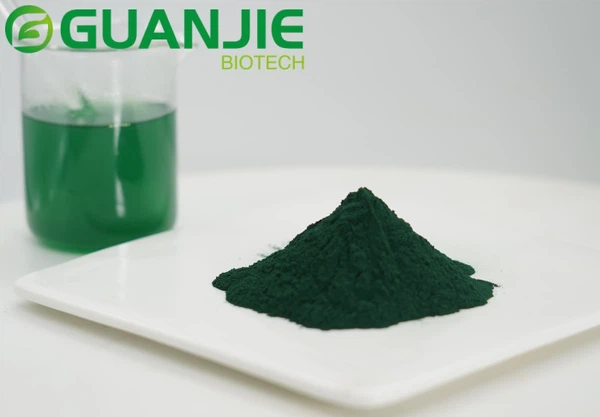
Why is Spirulina So Expensive?
1) Cultivation is an agricultural process
Unlike wheat or soy that grow in soil, 100 pure spirulina powder is produced in water systems that must meet precise chemical and biological conditions: alkaline pH (often >9), specific nutrient balance (nitrogen, phosphorus, trace metals), stable temperatures, and controlled light. Producers typically use either open shallow raceway ponds (cheaper but more contamination-prone) or closed photobioreactors (higher control, far higher capital cost). The choice matters: open systems reduce capital cost but raise risk of contamination by other algae, bacteria or toxins; closed systems reduce contamination risk and can push volumetric productivity up, but require expensive materials, pumps, sensors and maintenance. Techno-economic analyses show that system type and scale have major influence on per-kilogram cost.
Maintaining water chemistry and preventing invasions (wild algae, protozoa, birds, insects) requires daily monitoring and active management. Water losses (evaporation), seasonal changes in sunlight and temperature, and feed nutrient costs all add operational overhead; unlike many terrestrial crops that sit in soil for months, a 100 pure spirulina powder farm requires continuous, active management year-round.
2) Yield limits
Although spirulina grows fast under ideal conditions, the volume of dry biomass you can extract per unit area and time is still constrained by light penetration, mixing, and nutrient uptake. Operators harvest frequently (every few days or weeks) and then must re-inoculate, clean, and maintain culture health. Scaling up production to dramatically reduce price tends to require either very large pond areas (land cost, water logistics) or capital-intensive photobioreactors. Published techno-economic assessments show that production scale and reactor design materially affect cost per kilogram.

3) Drying is one of the single largest cost centers
Freshly harvested spirulina is >80–90% water. Converting that wet biomass into a shelf-stable powder requires removing water efficiently while preserving heat-sensitive nutrients (proteins, pigments like phycocyanin, vitamins). Drying is energy-intensive and technically demanding: spray drying, low-temperature drum or belt drying, freeze-drying, or advanced solar/indirect drying are options. A recent review and manufacturing analysis notes that drying can account for roughly 25–35% of total production costs - both because of the energy input and the need for specialized equipment and process controls to avoid thermal damage. Faster, cheaper drying 100 pure spirulina powder often reduces product quality (degraded pigment/protein), and higher quality drying natural spirulina powder (freeze-drying, very low-temperature spray drying) commands higher costs.
Frontiers
Because drying is energy-sensitive, regional energy prices and the availability of renewable energy meaningfully affect final cost. Producers in regions with high electricity or fuel costs will have higher costs unless they invest in onsite renewables - which themselves require capital.
4)Quality control
Spirulina is a cyanobacterium and grows in open water. If other toxin-producing cyanobacteria (e.g., Microcystis species) contaminate cultures, the product can contain microcystins - potent liver toxins. Additionally, because spirulina is a concentrator of minerals, it can accumulate heavy metals from contaminated water or inputs (lead, cadmium, arsenic, mercury). To keep products safe, reputable manufacturers run regular laboratory tests (ICP-MS for metals, ELISA or LC-MS for cyanotoxins, microbiological assays), maintain traceability and batch testing, and often retain third-party verification. Those analyses are neither cheap nor optional if the producer wants to sell internationally or claim "safe for human consumption." High-quality 100 pure spirulina powder testing regimes (and the documentation required by many retailers and regulators) add to unit cost. Studies and testing reports have repeatedly flagged contamination concerns in inferior or poorly controlled products, and regulators/consumer labs require ongoing testing for market access.
5) Certifications
Many consumers pay a premium for organic certification, non-GMO statements, or for 100 pure spirulina powder with very high phycocyanin (the blue pigment) content. Achieving and maintaining organic certification for algae is complex because it requires vetted inputs, documented farm practices, and frequent audits. Similarly, producing a "high-phycocyanin" product - or extracting phycocyanin as a separate high-value ingredient - imposes extra cultivation and processing steps (harvesting at a particular growth stage, gentle drying, pigment extraction) that drive costs up. Because some buyers demand these attributes, producers segment their supply: lower-cost commodity spirulina vs. premium food-grade, organic, or pigment-rich variants. The higher the grade, the higher the price.
6) Processing beyond simple drying
Not all spirulina is the same. 100 pure spirulina powder sold for smoothies may be simply dried and milled, but other product forms require further processing. Microencapsulating spirulina (to hide flavor or stabilize sensitive actives), making tablets, blending with carrier powders, or extracting phycocyanin or other high-value components for cosmetics or natural colorants are downstream steps that multiply cost. Extraction of phycocyanin for use as a natural blue food color or cosmetic ingredient is itself a separate (and often more profitable) business; the economics of extracting pigment can make the residual biomass more or less valuable and also shift market prices for bulk powder. Tech-economic studies show that the relative price of phycocyanin and the scale of pigment extraction influence viability of higher-value processing lines.
7) Seasonality, location, and supply chain constraints
Many large 100 pure spirulina powder producers are clustered in specific geographies (China, India, parts of Africa, and some operations in the Americas and Europe). Weather, water availability, and seasonal light cycles influence productivity. Transport costs - especially for organic, refrigerated, or carefully packaged powders - add to the delivered price. Shipping fragile, premium powders overseas, combined with tariffs, import testing, and logistics, can add substantially to consumer prices. Wholesale price listings show wide variance by origin and grade: bulk factory FOB prices can be relatively low in top producing regions, but retail prices in destination markets may be many times wholesale due to packing, testing, certification, and retailer margins.
8) Traceability and regulatory compliance
To sell 100 pure spirulina powder as a dietary supplement, ingredient, or food color in major markets (USA, EU, Japan), companies must ensure product safety and maintain records. Food safety programs (GMPs, HACCP), periodic audits, and documentation increase overhead. Markets that demand strict microbiological limits and contaminant testing effectively exclude the cheapest, artisanal producers and raise the barrier to entry, which keeps supply concentrated in firms willing to invest in compliance. Those fixed costs are spread across units produced; for small Spirulina powder suppliers, the per-unit impact is large.
9) Economies of scale
Because production technology and business models vary, spirulina is sold across a broad price range. Bulk spirulina powder from large Asian producers can be sourced at modest FOB prices per kilogram (examples in industry listings vary widely), while organic, freeze-dried, or pigment-enhanced powders command much higher retail per-kilogram prices. In other words, the entry level (commodity bulk) can be relatively affordable, but certified, high-quality spirulina powder and value-added spirulina is considerably more expensive. Published wholesale listings and retail prices illustrate that range: small consumer packages often sell for tens to hundreds of dollars per kilogram in retail channels, while bulk industrial lots sell much cheaper FOB - the difference being testing, packaging, certification, and margins.
10) Environmental and social costs
There's increasing attention to the environmental footprint of any crop. Spirulina production uses water, nutrients and energy; poorly managed facilities can cause nutrient runoff or consume substantial electricity for drying and pumping. Producers who invest in greener energy or sustainable practices pass those costs to buyers, and consumers willing to pay a sustainability premium push producers in that direction. Likewise, labor and community standards - if monitored and enforced - add to operating expense relative to unregulated artisanal production.
Value chain
Another reason consumer-facing spirulina is expensive is that a sizable fraction of the economic value exists in extracts (phycocyanin) and specialty applications (natural pigments, cosmetics, and pharmaceutical research). When producers or processors divert a portion of the harvest to extract high-value compounds, the remaining bulk spirulina powder may be sourced from different production streams or be of lower pigment concentration; the segmentation creates different price tiers. Studies modeling the profitability of producing cosmetic-grade phycocyanin show that pigment pricing, not the raw spirulina powder market price alone, can determine whether an integrated extraction line is profitable, which in turn shapes how producers allocate biomass and price different outputs.
Where to Buy Spirulina?
If you are sourcing 100 pure spirulina powder for product development or white-labeling, be explicit about grade (food vs. supplement vs. pigment), required certificates (COA, heavy metal tests, microcystin results, organic or other audit reports), and desired packaging (bulk 25 kg bags vs. consumer retail). Bulk commodity price lists from suppliers will be much lower than consumer retail - but require you to handle testing, import compliance, and repackaging. Guanjie Biotech is a bulk spirulina Powder supplier, and firms like that typically offer different grades (food/supplement/technical) - always ask for batch COAs and third-party test records before buying.
Conclusion:
Spirulina's price is not driven by one single factor but by an interaction of biological realities (water growth, contamination risk), engineering constraints (drying), regulatory and laboratory overhead (safety testing), and market segmentation (commodity vs. premium vs. pigment extraction). If you shop for spirulina, be aware of the grade and the tests behind it: very cheap powders may come from producers who cut corners on testing or use contaminated water; premium powders often reflect real extra costs (gentle drying, third-party testing, organic audits, pigment concentration). For product formulators, the cheapest spirulina bulk powders can be a good deal if you have the systems to verify safety and repack correctly; for consumers, paying a bit more for a spirulina powder supplier with transparent COAs and certifications is a reasonable insurance policy. Welcome to enquire with us at info@gybiotech.com.
References
[1] Luo G., et al. Manufacturing processes, additional nutritional value and... Frontiers in Nutrition, 2024. Review noting drying accounts for ~30% of production cost and describing drying methods).
[2] Belay, A. (2008). Spirulina (Arthrospira): Production and Quality Assurance. In: Gershwin, M.E., Belay, A. (eds) Spirulina in Human Nutrition and Health. CRC Press, Boca Raton.
[3] Du X., et al. Techno-economic analysis of Spirulina biomass production, ScienceDirect, 2025. Modeling showing production cost sensitivity to reactor type, scale and process design.
[4] Habib, M. A. B., Parvin, M., Huntington, T. C., & Hasan, M. R. (2008). A Review on Culture, Production and Use of Spirulina as Food for Humans and Feeds for Domestic Animals and Fish. Food and Agriculture Organization of the United Nations (FAO) Fisheries and Aquaculture Circular No. 1034. Rome, FAO.
[5] Khan, Z., Bhadouria, P., & Bisen, P. S. (2005). Nutritional and Therapeutic Potential of Spirulina. Current Pharmaceutical Biotechnology, 6(5), 373-379.
[6] Madeira, M. S., Cardoso, C., Lopes, P. A., Coelho, D., Afonso, C., Bandarra, N. M., & Prates, J. A. (2017). Microalgae as Feed Ingredients for Livestock Production and Meat Quality: A Review. Livestock Science, 205, 111-121.