

Pure almond powder is more than just a gluten-free baking substitute. It is a versatile, nutrient-dense ingredient with a rich history and a vast array of applications that span from the home kitchen to large-scale industrial food production and even the cosmetic industry. So what is almond powder used for?
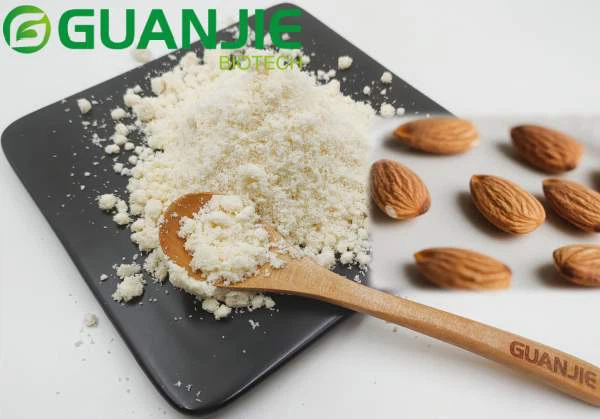
What Is Almond Powder?
Before exploring its uses, it's crucial to understand the different forms of pure almond powder available, as the terminology can often be confusing.
Almond Flour
This term typically refers to the finest grind made from blanched almonds (almonds with their skins removed). The result is a light, fluffy powder with a pale beige color. Its fine texture makes it ideal for baked goods where a delicate crumb is desired, such as macarons, financiers, and cakes.

Almond Meal
Almond meal is generally a coarser grind made from whole, unblanched almonds. The inclusion of the brown skin gives it a darker, speckled appearance and a slightly more robust, earthy flavor. It works wonderfully in denser baked goods like bread, cookies, and crusts, where texture is a welcome addition.

The production process of pure almond powder is straightforward but requires precision. For almond flour, almonds are first blanched in hot water to loosen the skins, which are then removed. The skinned almonds are dried and then ground through a series of mills and sifters to achieve the desired fineness. For large-scale consistency and quality, sourcing from a reliable producer is key. Guanjie Biotech is a bulk almond powder supplier that exemplifies this industrial-grade process, utilizing advanced technology to ensure a natural almond powder product that meets strict standards for particle size, purity, and food safety, catering to the demands of commercial food manufacturers.
What Is Almond Powder Used For?
The most widespread use of pure almond powder is undoubtedly in the culinary world. Its ability to mimic the functional properties of wheat flour while imparting a unique flavor and nutritional profile has made it a staple in many pantries.
The Gluten-Free Revolution:
The single biggest driver of almond powder's popularity in the 21st century is the rise of gluten-free diets. For individuals with celiac disease, gluten sensitivity, or those simply choosing to reduce their gluten intake, almond powder is a godsend. It provides structure and moisture to baked goods that traditional gluten-free flours (like rice or tapioca flour) often lack when used alone. It is commonly used in combination with other gluten-free flours and binders like xanthan gum or psyllium husk to produce everything from fluffy pancakes and tender muffins to chewy pizza crusts and flaky pie dough.
Classic and Contemporary Baking:
Long before the gluten-free trend, pure almond powder was a cherished ingredient in many classic European pastries. Its high fat content contributes to a rich, moist texture and a tender crumb.
• French Macarons:
This iconic dessert is entirely dependent on a fine, blanched almond flour. It is mixed with powdered sugar and egg whites to create the delicate, airy shells that are the hallmark of a perfect macaron.
• Financiers:
These small, rich French teacakes derive their distinctive flavor from beurre noisette (browned butter) and almond flour, resulting in a dense, moist interior with a crisp edge.
• Marzipan and Frangipane:
Pure Almond powder is the base for marzipan, a sweet, pliable paste used for modeling confectionery and covering cakes. Frangipane is an almond cream used as a filling in tarts (like the classic Bakewell tart), pastries, and galettes.
• Cookies and Biscotti:
Adding natural almond powder to cookie dough creates a chewier, more substantial texture. In biscotti, it helps achieve the classic hard, dunkable consistency.
• Crusts and Coatings:
Almond meal makes an excellent gluten-free crust for cheesecakes and tarts. It can also be used as a coating for fish, chicken, or tofu, providing a delicious, nutty crust when pan-fried or baked.

Nutrient-Dense Cooking:
Beyond baking, pure almond powder is a secret weapon for health-conscious cooks looking to "sneak" nutrition into everyday meals.
• Smoothies and Shakes:
A tablespoon or two of natural almond powder added to a smoothie boosts its protein, healthy fat, and fiber content, making it more satiating and nutritionally balanced.
• Thickening Agent:
It can be used as a thickener for soups, stews, and sauces, offering a richer flavor and creamier texture than cornstarch or wheat flour, all while keeping the dish gluten-free.
• "Breading" and Binders:
As mentioned, it's excellent for coatings. It also works well as a binder in veggie burgers, meatballs, and meatloaf, replacing breadcrumbs for a lower-carb, higher-protein alternative.
Nutritional Profile and Health Benefits
Pure Almond powder isn't just a functional ingredient; it's a concentrated source of vital nutrients. When you use almond powder, you are incorporating the whole food's benefits into your diet.
• Healthy Fats:
Almonds are rich in monounsaturated fats, the same type of heart-healthy fat found in olive oil. These fats are known to help reduce LDL ("bad") cholesterol levels and lower the risk of heart disease.
• Plant-Based Protein:
With approximately 6 grams of protein per 1/4 cup serving, natural almond powder is a valuable source of plant-based protein, essential for muscle repair, satiety, and overall bodily function.
• Dietary Fiber:
The fiber content in almond powder, particularly almond meal with the skins, aids in digestive health, helps regulate blood sugar levels by slowing the absorption of sugars, and promotes a feeling of fullness, which can aid in weight management.
• Vitamins and Minerals:
It is an excellent source of Vitamin E, a powerful antioxidant that protects cells from damage. It also provides a significant amount of magnesium (crucial for muscle and nerve function, blood sugar control, and bone health), manganese, and riboflavin (Vitamin B2).
• Low in Carbohydrates:
With a net carb content significantly lower than that of wheat flour, almond protein powder is a cornerstone of low-carb and ketogenic diets. It allows individuals following these diets to enjoy baked goods without spiking their blood sugar.
Industrial and Niche Applications
The use of pure almond powder extends far beyond the domestic kitchen. Its properties make it a valuable ingredient in several industries.
Commercial Food Manufacturing:
Large-scale food producers utilize almond powder in a vast array of products. Guanjie Biotech, as a bulk almond powder supplier, provides the consistent quality and volume required for these applications. Its uses include:
• Breakfast Cereals and Granola:
Adding almond protein powder to cereal mixes enhances their nutritional profile and flavor.
• Nutrition Bars and Snacks:
It is a fundamental component of many protein bars, granola bars, and low-carb snack products, providing structure, flavor, and key macros.
• Confectionery:
Beyond marzipan, it is used in the production of certain chocolates, pralines, and other candies.
• Dairy Alternatives and Plant-Based Products:
Almond bulk powder is the base for almond milk, and it is also being incorporated into plant-based yogurts, cheeses, and ice creams to improve texture and nutritional value.
The Cosmetic and Personal Care Industry:
The same nutrients that make almonds beneficial for internal health also make them valuable for topical application. Almond protein powder is a gentle, natural exfoliant. Its fine, granular texture helps slough off dead skin cells without causing micro-tears, making it suitable for sensitive skin. It is a common ingredient in:
• Face and Body Scrubs:
Often combined with oils, honey, or yogurt to create nourishing and exfoliating treatments.
• Soaps and Cleansers:
Added to soap bases for its gentle exfoliating properties and the emollient quality it imparts.
• Face Masks:
Its mild nature and nutrient content can help soothe and soften the skin.
Pharmaceutical and Nutraceutical Supplements:
In the supplement industry, pure almond powder can be used as a filler or a base in capsule formulations, particularly in supplements aimed at providing the documented health benefits of almonds, such as Vitamin E and magnesium supplementation.
Conclusion
Almond powder has successfully transitioned from a niche ingredient in classic European patisserie to a mainstream culinary and nutritional powerhouse. Its versatility is nearly unmatched, serving as the foundation for exquisite desserts, a savior for those on restricted diets, a booster of everyday nutrition, and a valuable component in industrial and cosmetic formulations. Its rich profile of healthy fats, protein, fiber, and essential vitamins and minerals elevates it from a simple substitute to a superior ingredient choice. As the food industry continues to evolve towards health and sustainability, the role of reliable, high-volume producers becomes increasingly critical. Suppliers like Guanjie Biotech, which provide bulk almond powder, are essential in ensuring that this versatile and beneficial ingredient can continue to meet the growing global demand, finding its way into an ever-widening spectrum of products that nourish and delight consumers worldwide. Welcome to enquire with us at info@gybiotech.com.
References
[1] Berry, N. (2021). *The Almond Flour Cookbook: 100 Gluten-Free, Low-Carb Recipes for Health and Wellness*. Chronicle Books.
[2] Griel, A. E., & Kris-Etherton, P. M. (2006). 'Tree Nuts and the Lipid Profile: A Review of the Clinical Studies'. British Journal of Nutrition, 96(S2), S68-S78.
[3] Jenkins, D. J., et al. (2002). 'Almonds Decrease Postprandial Glycemia, Insulinemia, and Oxidative Damage in Healthy Individuals'. Journal of Nutrition, 132(7), 1752-1756.
[4] Kamil, A., & Chen, C. Y. (2012). 'Health Benefits of Almonds Beyond Cholesterol Reduction'. Journal of Agricultural and Food Chemistry, 60(27), 6694-6702.
[5] "Almonds, Nuts, and Seeds." USDA FoodData Central, U.S. Department of Agriculture, fdc.nal.usda.gov. Accessed 15 Oct. 2023.
[6] "Gluten-Free Diet." Beyond Celiac, www.beyondceliac.org/celiac-disease/gluten-free-diet/. Accessed 15 Oct. 2023.


