

Ginger powder is made from the dried and ground root of the ginger plant, which has been used for centuries in traditional medicine systems like Ayurveda and Traditional Chinese Medicine. Adding ginger powder to drinks is an easy way to incorporate the potential health benefits of ginger into your diet. Ginger is thought to help with nausea, inflammation, pain relief, and more. In this blog post, we'll discuss the benefits of ginger powder, provide recipes for making tasty ginger drinks using ginger powder, and overview some precautions around consuming ginger.

What is Ginger?
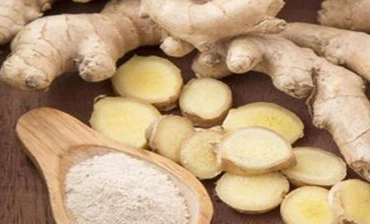
Ginger, or Zingiber officinale, is a flowering plant native to Asia. The root, or rhizome, of the ginger plant is where the spice comes from. It has a sharp, spicy yet sweet flavor. Ginger has been used since ancient times as both a culinary spice and key component in herbal medicine systems. Traditional Chinese Medicine utilized ginger as a "warming" food that helped circulation. Ayurvedic medicine used ginger to treat inflammatory conditions. Modern research has looked at ginger's potential to help reduce nausea, pain, and inflammation in the body when consumed. Ginger powder is made from ginger roots that are dried out and then finely ground. This powder imparts warming ginger flavor to drinks without needing to use fresh ginger.
Recipes for Making Ginger Drink with Ginger Powder
Ginger Tea
Ingredients:
- 1/2 teaspoon ginger powder
- 8 ounces hot water
- Lemon or honey to taste (optional)
Instructions:
1. Boil water in a kettle or pot. Pour 8 ounces into a mug.
2. Add 1/2 teaspoon of ginger powder to the hot water. You can adjust the amount depending on how strong you want the ginger flavor to be.
3. Allow the ginger powder to steep in the hot water for 5-10 minutes.
4. Strain the ginger bits out by pouring through a fine mesh strainer or cheesecloth.
5. Add lemon juice or honey to taste if desired. Enjoy the ginger tea while warm.
You can also experiment with adding cinnamon, turmeric, or black pepper to make the ginger tea an anti-inflammatory blend.
Ginger Lemonade
Ingredients:
- 1 tablespoon ginger powder
- 1 cup water
- 1/2 cup fresh lemon juice
- 1/2 cup honey or simple syrup
- 4-5 cups cold water
Instructions:
1. In a small pan, whisk together organic ginger powder and 1 cup water. Simmer for 5 minutes. Remove from heat and let stand for 15 minutes.
2. Strain the ginger water through a fine mesh strainer or cheesecloth into a pitcher.
3. Add lemon juice, honey/simple syrup, and 4-5 cups cold water. Stir to combine.
4. Refrigerate for at least 2 hours before serving to allow flavors to blend.
5. Serve ginger lemonade over ice. Garnish with lemon slices if desired.
The longer the ginger water stands, the stronger the flavor will be. Tweak the ginger powder and lemon juice to taste.
Ginger Ale
Ingredients:
- 1 inch ginger root, grated
- 1 cup water
- 1/2 cup sugar
- 3 cups soda water
Instructions:
1. Grate a 1 inch piece of fresh ginger root using a microplane or fine grater.
2. In a little pan, join ground ginger and 1 cup water. Stew for 5 minutes. Eliminate from intensity and let represent 30 minutes.
3. Strain the ginger water through a fine cross-section sifter or cheesecloth into a pitcher.
4. Stir the ginger water with the sugar until it dissolves. Permit to cool.
5. Stir in three cups of soda water once it has cooled.
6. Refrigerate for something like 2 hours prior to serving.
7. If desired, top the ginger ale with a lime wedge and serve it over ice.
For a non-alcoholic mule, combine ginger ale with lime juice and ginger beer. Customize the ginger and sugar to taste.
Health Benefits of Drinking Ginger Tea
Research on ginger proposes that routinely drinking ginger tea made with ginger powder might offer specific medical advantages. Ginger contains intensifies like gingerol and shogaols that have mitigating and cancer prevention agent properties.

In various examinations, ginger has been displayed to assist with lessening queasiness and regurgitating, particularly in pregnant ladies or chemotherapy patients (1). The dynamic mixtures might work much the same way to serotonin receptor inhibitors to lessen sickness flagging.
A few investigations demonstrate ginger might assist with lessening agony and irritation related with joint pain or exercise thanks to its mitigating properties (2). Notwithstanding, more examination is as yet required.
Ginger may likewise uphold cardiovascular well-being. Ginger has been displayed to assist with bringing down circulatory strain, cholesterol, and forestall blood clump development because of its impact on course (3).
While promising, it means a lot to take note of that examination on ginger is as yet arising. All the more enormous scope human examinations are expected to completely affirm its medical advantages. Yet, consistently consuming ginger tea seems, by all accounts, to be generally ok for the vast majority and may give benefits through its calming, cell reinforcement, and hostile to queasiness impacts.
Precautions and Potential Side Effects of Consuming Ginger
For most people, drinking moderate amounts of ginger tea or ginger drinks made with ginger powder is considered safe. However, there are some precautions to be aware of (4):
- Those with gallbladder infection ought to keep away from ginger as it might increment bile creation.
- Individuals taking blood thinners ought to counsel their primary care physician prior to consuming ginger routinely, as it might increment draining gamble.
- Pregnant ladies ought to restrict ginger admission to under 1500mg each day and keep away from huge sums.
- Consuming a lot of ginger might cause indigestion, the runs, or mouth bothering in certain people.
- Those oversensitive to ginger ought to stay away from utilization. If you notice any irritation or allergy symptoms, stop using it.
It's for the most part prescribed to restrict ginger powder admission to 1000-1500mg each day, identical to approximately 1-4 cups of ginger tea depending upon the focus. Acquaint ginger tea gradually by surveying your own resilience and changing the ginger powder to suit your taste.
In Conclusion
Adding ginger powder to hot or cold beverages is a straightforward method for partaking in the potential medical advantages of ginger. Ginger tea, ginger lemonade, soda, and other ginger beverages can be effortlessly made at home utilizing dried, ground ginger powder. Research shows ginger might assist with decreasing sickness, irritation, torment, and backing cardiovascular wellbeing when consumed consistently. In any case, those with specific ailments or taking meds ought to practice alert with ginger utilization. Be careful not to consume too much ginger within a day and pay attention to how you feel when you drink ginger tea or other ginger-based beverages.
Shaanxi Guanjie Technology Co.,Ltd is a manufacturing enterprise that has been operating since 2003. The company prides itself on its commitment to quality and has obtained ISO9000/ISO22000/HALAL/KOSHER/HACCP certification, ensuring that its products adhere to the highest standards. From the planting and collection of raw materials to the processing and production stages, Shaanxi Guanjie Technology Co.,Ltd strictly follows the requirements of GMP production enterprises, guaranteeing the safety and quality of its products. Additionally, the company offers OEM services, allowing for customized production in various forms such as pellets and slices to cater to the specific needs of different customers. One of our standout products is the Bulk Ginger Powder, known for its high quality, nutritional value, and health benefits. With ample inventory available, interested parties are encouraged to contact info@gybiotech.com to obtain detailed specifications about this product. With these corporate advantages, Shaanxi Guanjie Technology Co.,Ltd is well-equipped to meet the diverse needs of its customers.
References:
1. Marx, W., A. L. McCarthy, K. Ried, D. McKavanagh, L. Vitetta, A. Sali,..., and E. Isenring Ginger (Zingiber officinale) and chemotherapy-instigated queasiness and heaving: a deliberate writing survey. Nourishment audits, 75(4), 245-254.
2. Daily, J. W., Zhang, X., D. S. Kim, and S. Park Adequacy of ginger for treating Type 2 diabetes: A precise survey and meta-investigation of randomized clinical preliminaries. 193, 50-57, Journal of Ethnopharmacology.
3. Bordia, A., Verma, S. K., and Srivastava, K. C. (1997). Impact of ginger (Zingiber officinale Rosc.) and the effects of fenugreek (Trigonella foenumgraecum L.) on platelet aggregation, blood sugar, and lipids in coronary artery disease patients. Prostaglandins, Leukotrienes and Fundamental Unsaturated fats, 56(5), 379-384.
4. College of Michigan Wellbeing. ( 2021). Ginger.


