

Taro powder is a gluten-free flour made from the root of the taro plant. Known for its nutty, earthy flavor, taro powder can add taste and texture to a variety of baked goods, drinks, and desserts. With the rising popularity of Southeast Asian cuisines, taro-flavored foods like bubble tea have become trendy around the world. This article will explain what taro powder is, how to make it at home, and share recipes to help you incorporate it into your own cooking.
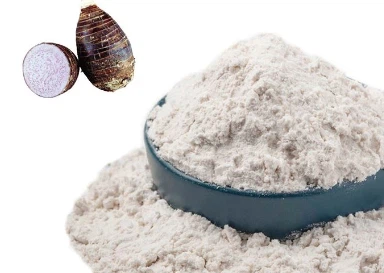
What is taro powder?
Taro powder is made by peeling, cooking, drying, and grinding the starchy root of the taro plant into a fine powder. Botanically known as Colocasia esculenta, taro is a tropical crop grown in many parts of Africa, Asia, and the Pacific Islands. The edible starchy corm of the taro plant is a staple food in many cultures and is used to make staple dishes like poi in Hawaii. Taro powder comes from cooking and dehydrating the starchy taro corm until it becomes powdery. It has a sweet, nutty flavor that can add taste and texture to both savory and sweet foods.
Nutritional value of taro powder
Taro powder is high in fiber, potassium, vitamin E, vitamin B6, and other antioxidants. Just one ounce provides 5 grams of fiber, which is important for digestive and heart health. It also supplies 13% of your daily potassium needs, which can help control blood pressure. The vitamin E found in taro powder supports a healthy immune system and skin. It also contains small amounts of B vitamins, magnesium, and manganese. Overall, taro powder provides an excellent source of nutrition in addition to its culinary uses.
Different uses of taro powder
Taro powder is very versatile and can be used to create either sweet or savory foods. In desserts, taro powder adds texture and its signature sweet, nutty flavor. It works well in custards, puddings, cakes, muffins, pancakes, and cookies. For savory cooking, taro powder can thicken sauces, stews, curries, and gravies. You can also use it to bread or fry foods. Taro powder pairs well with coconut milk, vanilla, cinnamon, ginger, garlic, chiles, and citrus. Try adding it to smoothies for extra nutrition.
How to make taro powder at home
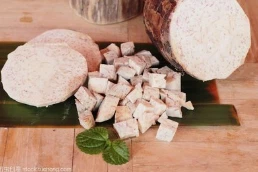
Making your own taro powder at home requires just a few simple steps. First, peel the fibrous outer skin off fresh taro roots using a vegetable peeler or paring knife. Cut the taro into 1-inch cubes. In a pot, boil the taro pieces for 15-20 minutes until fork tender all the way through. Drain and spread the boiled taro cubes on a baking sheet lined with parchment paper. Dehydrate the taro in your oven at 200°F, flipping once, for 2-3 hours until completely dried out. Transfer the dried taro pieces to a high-powered blender or food processor and blend on high until a fine powder forms. Store the fresh taro powder in an airtight container for up to 1 month. Enjoy!
Recipes using taro powder
Taro Milk Tea
Ingredients:
- 1 cup milk
- 1 tbsp taro powder
- 1 tbsp honey or sugar
- Ice cubes
Directions:
Whisk together milk, taro powder, and honey until smooth. Pour over ice and enjoy this sweet, creamy taro-flavored milk tea.
Taro Cupcakes
Ingredients:
- 1 1/2 cups all-purpose flour
- 1/3 cup taro powder
- 1 tsp baking powder
- 1/4 tsp salt
- 1/2 cup unsalted butter, softened
- 1 cup sugar
- 2 eggs
- 1 tsp vanilla extract
- 1/2 cup milk

Directions:
Preheat oven to 350°F. Line 12 muffin cups with liners. In a bowl, whisk together flour, taro powder, baking powder and salt. In another bowl, beat butter and sugar until fluffy. Beat in eggs one at a time. Stir in vanilla. Add flour mixture alternately with milk, mixing just until incorporated. Divide batter among muffin cups. Bake for 18-20 minutes until a toothpick inserted in center comes out clean. Cool completely before frosting.
Taro Bubble Tea
Ingredients:
- 2 cups brewed black tea, chilled
- 1/4 cup taro powder
- 1/4 cup honey
- 1 cup milk
- Tapioca pearls, cooked
- Ice cubes
Directions:
In a blender, combine tea, taro milk tea powder, honey and milk. Blend until smooth and frothy. Pour into glasses over ice cubes and tapioca pearls. Enjoy with an extra-wide bubble tea straw!
Storage and shelf-life of taro powder
To hold the greatest newness and flavor, store any extra natively constructed taro powder in an impenetrable compartment in a cool, dry spot away from light. Appropriately put away, taro powder can endure as long as multi month prior to losing intensity. After some time, it might obscure somewhat in variety yet will in any case be protected to consume. Assuming that your taro powder fosters an off smell, flavor, or appearance, it has been ruined and ought to be disposed of. For the longest timeframe of realistic usability, consider putting away taro powder in the fridge or cooler.
Precautions and potential allergies
Oxalates, which are compounds that have the potential to crystallize in the body and cause health issues for some people, are present in taro and products derived from taro. People with kidney issues, gout, or rheumatoid joint inflammation ought to practice alert while consuming taro. Unfavorably susceptible responses are uncommon yet conceivable. Stop using assuming that any bothering or uneasiness happens. Likewise with any new food, present taro powder gradually and drink a lot of water to remain hydrated. Those taking blood thinners or different prescriptions ought to counsel their PCP prior to eating taro.
Key Takeaways
Taro powder is a delicious way to add flavor and nutrition to both sweet and savory recipes. It has a hearty texture and a sweet, nutty essence. You can control the quality and ingredients of your taro powder by making it at home from fresh taro roots. Drinks, desserts, stews, and more are all great uses for taro powder. Simply make sure to appreciate taro-based food varieties with some restraint, remain hydrated, and be mindful of assuming you have explicit ailments. Explore different avenues regarding incorporating this delicious sans-gluten flour into your cooking today.
Shaanxi Guanjie Technology Co.,Ltd is a manufacturing enterprise that has been operating since 2003, specializing in the production of high-quality products. The company prides itself on its commitment to quality and has obtained ISO9000/ISO22000/HALAL/KOSHER/HACCP certification, ensuring that its products meet international standards. With two independent production lines for freeze-dried and spray-dried products, Shaanxi Guanjie Technology Co.,Ltd can efficiently meet a wide range of customer needs. The company follows strict GMP production guidelines from the planting and collection of raw materials to the processing and production stages, ensuring the safety and quality of its products. Additionally, the company offers OEM services, allowing for customized production in various forms such as pellets and slices, catering to the unique requirements of different customers. Packaging options are diverse as well, including 25kg large barrels, cardboard barrels, and customizable small bag packaging. Notably, all products comply with European standards, further ensuring our quality and marketability. One of our exceptional products is Bulk Taro Powder, known for its high quality, nutritional value, and health benefits. With sufficient inventory available, interested individuals are encouraged to contact info@gybiotech.com to obtain detailed specifications for this product. With these corporate advantages, Shaanxi Guanjie Technology Co.,Ltd is well-equipped to meet the diverse needs of its customers and deliver excellence in the industry.
References:
FoodData Focal. ( 2019). Taro, crude. Department of Agriculture, United States
Ojinnaka, M. C., and Ojinnaka, E. T. (2015). Taro flour and starch: Properties, functionalities, and applications as impacted by cultivar and handling technique: A survey. 1-16 in Starch Stärke, 67(1-2).
Shih, M. C., Kuo, C. C., and Chiang, W. (2009). Impacts of drying and expulsion on variety, compound sythesis, cancer prevention agent exercises and mitogenic reaction of spleen lymphocytes of yams. Food Science, 117(1), 114-121.
Somsub, W., Kongkachuichai, R., Sungpuag, P., and Charoensiri, R. (2008). Impacts of three ordinary cooking strategies on L-ascorbic acid, tannin, myo-inositol phosphates contents in chosen Thai vegetables. Diary of Food Structure and Examination, 21(2), 187-197.


