

Blackcurrant powder is a versatile ingredient made by drying and grinding fresh blackcurrants into a fine powder. As a rich source of vitamins, antioxidants, and other nutrients, blackcurrant powder can be used to add flavor and nutrition to smoothies, baked goods, yogurt, oatmeal, and more. The goal of this article is to provide step-by-step instructions on selecting, preparing, drying, grinding, sifting, and storing homemade blackcurrant powder along with details on the health benefits, recommended usage, and background on blackcurrants.
What are Blackcurrants?
Blackcurrants are a type of tart berry that grows on a small shrub in temperate regions around the world. The blackcurrant shrub produces bunches of small, deep purple fruits with a glossy skin and tart, tangy flesh inside. Popular blackcurrant varieties include Ben Sarek, Ben Connan, and Titania. Blackcurrants have been used for juices, jams, medicinal treatments, and food flavorings since the Middle Ages in Europe. Today, blackcurrant crops are concentrated in northern and eastern Europe as well as New Zealand. When fresh, the berries have a relatively short season during summer months. Drying and grinding blackcurrants extends their shelf life exponentially while still preserving nutrients.

Nutritional Value
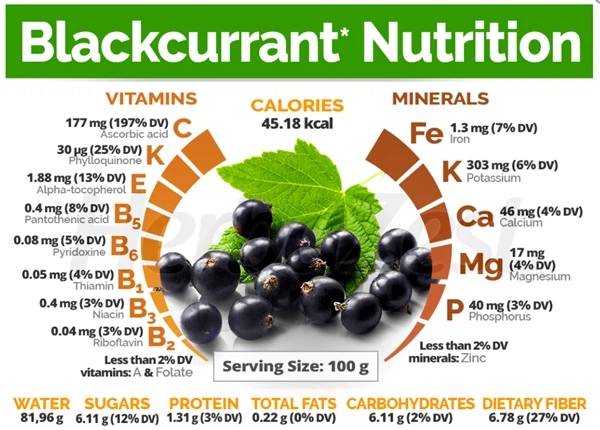
In addition to their tart, unique flavor, blackcurrants are nutritionally packed with an array of beneficial compounds. They contain notably high levels of vitamin C, in fact, providing more vitamin C than citrus fruits like oranges or lemons. One cup of raw blackcurrants delivers over 300% of the RDA of immune-supporting vitamin C. As antioxidants, they also provide anthocyanins, tannins, phenolic acids, and gamma-linoleic acid. The dark pigments from anthocyanins give blackcurrants their deep purple hue. As antioxidants, these compounds help defend the body against inflammation, bacteria, viruses, aging, dementia diseases. The antioxidative and anti-inflammatory capacities of blackcurrants come from how these plant compounds neutralize free radicals and regulate cellular function.
Selecting Blackcurrants
When making blackcurrant powder, it's important to select fresh, ripe blackcurrants that are free from mold, damage, or blemishes. Look for plump blackcurrants with deep purple skins and no visible green patches when ripe. Blackcurrants usually ripen from mid-summer into early fall in temperate regions. Choose organically grown blackcurrants when possible to avoid any pesticide residue. Due to their short shelf life fresh, blackcurrants should be used right away once picked or purchased. You may also find commercially frozen blackcurrants which work equally well for making powder due to the freezing process preserving the cell structure. Whether fresh or frozen, be sure to start with prime blackcurrants without damage or deterioration for powder with the best nutrition, color, and flavor.
Preparing Blackcurrants
To prepare fresh blackcurrants for drying, first discard any damaged fruits with cuts, mold or that feel hollow and shriveled. Gently wash the remainder in cold water, taking care not to crush or break their delicate skins. The protective skin helps the berries retain nutrients during drying. Drain washed blackcurrants and gently pat dry with paper towels or a clean kitchen towel. Spread them out over a baking sheet in a single layer. Allow to air dry for 30 minutes up to 2 hours to remove any residual moisture on the surface of the skins. This helps jumpstart the drying process. Frozen blackcurrants can also be used but will need to be thawed, drained from excess liquid, and patted dry first before drying. Removing excess surface moisture allows for faster, more efficient dehydration.
Drying Blackcurrants
There are several techniques that can be used to properly dry blackcurrants while preserving nutrients including oven drying, food dehydrator, or solar drying:
Oven Drying
To oven dry blackcurrants, preheat oven to 140°F to 170°F. Line a rimmed baking sheet with parchment paper. Evenly spread prepared blackcurrants over the lined pan taking care not to overlap berries. Place in preheated oven on the center rack. Prop the oven door open slightly with a wooden spoon handle or balled up foil to allow moisture to escape. Rotate pan and stir berries every 30 to 60 minutes for even drying. Oven drying times range from 6 to 15 hours. Berries are fully dehydrated when hard and leathery with no pliability left. The lower temperature setting will result in longer drying times but preserves more nutrients.
Food Dehydrator
A food dehydrator with adjustable temperature and timed drying cycles can provide excellent, consistent results for making blackcurrant powder. Select a temperature between 130°F to 155°F and run the dehydrator for 6 to 12 hours, checking periodically and rotating trays. Additional drying time may be needed for thicker berries or very juicy varieties. Just as with oven drying, the berries are done when no moisture remains and berries feel dry and brittle.
Solar Drying
For solar drying blackcurrants, place prepared berries over mesh drying racks or cheesecloth. Position near a sunny window or outdoors in direct sunlight on hot, breezy days. Bring trays back indoors at night to prevent re-absorption of moisture from dew. Protect berries from insects with cheesecloth tenting or netting. Stir and rotate berries every few hours. Solar drying can take 12 hours up to several days depending on sun exposure and humidity levels.
Regardless of technique used, the key is gradually removing moisture from the cell structure while exposing berries to circulating warm, dry air over several hours. Rushing the process by using high temperatures can cook berries, damaging nutrients and antimicrobial compounds. Taking your time with low, consistent heat allows moisture to slowly evaporate while keeping integrity of the berries intact.
Grinding Process
Once fully dried and dehydrated, the brittle blackcurrants are ready to be ground down to a fine powder. A small food processor, spice grinder, coffee grinder, or high-powered blender like a Vitamix all work well for grinding. Process the blackcurrants in very small batches to a fine powder, letting the appliance fully stop and cool slightly between batches. Avoid over-packing grinding containers or overheating devices. Grind powders in pulses, shaking or stirring frequently for even results. Continue until a fluffy, bright purple powder forms. Sift ground powders through a fine mesh sieve, strainer, or flour sifter to remove any pieces that didn't fully powder. These can be returned to the grinder for further processing.
Storing Blackcurrant Powder
For optimal freshness and retention of antioxidants, store freshly made blackcurrant powder in an airtight glass jar or container away from heat, moisture, and light. Place container in the refrigerator for up to 3 months or freezer for up to 1 year. For pantry storage up to one month, ensure powder remains in an airtight, opaque container in a cool, dark place. Vacuum sealed jars or bags also help exclude oxygen and protect nutrients longer term.
Culinary Uses
The usages for bright purple blackcurrant powder are diverse, ranging from sweet to savory dishes and everything in between. Mix it into breakfast foods like yogurt, cottage cheese, oatmeal, chia puddings, yogurt bowls or overnight oats. Sprinkle over salads, roasted vegetables, and savory grains for pops of color and nutrition. Whisk into salad dressings and vinaigrettes for an antioxidant boost. Add to fruit and vegetable smoothies, protein shakes or juice blends for extra vitamins. Use blackcurrant powder to lend its signature tangy flavor and brilliant color to scones, muffins, cakes, cookies, bread and more. The powder also makes a revitalizing addition to herbal teas, lemonades, hot cocoa, or nut milks. Keep an open mind with experimenting to make the most of this versatile superfood powder.

Health Benefits of Blackcurrants
In addition to being a colorful and flavorful ingredient, blackcurrant powder provides a spectrum of science-backed wellness advantages:
Immune Support: With extremely high amounts of immune-protecting vitamin C, blackcurrant compounds help neutralize illness-causing free radicals while boosting production of white blood cells to fight infection. The phytochemicals also demonstrate antibacterial and antiviral activities in the body.
Anti-Inflammatory Effects: As natural antioxidants, blackcurrant anthocyanins regulate inflammation pathways and defend against chronic inflammation underlying heart disease, diabetes, neurocognitive decline, and aging acceleration.
Heart Health: The anthocyanins and gamma-linoleic acid in blackcurrants promote better blood flow, prevent LDL cholesterol oxidation, lower blood pressure, and protect cardiovascular tissues.
Eye & Vision Protection: High anti-inflammatory antioxidants from blackcurrants accumulate in the retina to guard delicate eye structures against damage from UV light, improving visual acuity and reducing risk of macular degeneration.
Slows Skin Aging: Applied topically or consumed as powder, blackcurrants shield collagen proteins and skin cells from glycation and oxidation - preserving elasticity and youthful appearance.
Conclusion
Homemade blackcurrant powder delivers powerful wellness advantages along with unique flavor and vivid color to recipes. By selecting peak fresh blackcurrants, meticulously drying, grinding into a fine powder, and properly storing, you can create a versatile superfood ingredient with protective compounds. Add the deep purple powder to your diet through smoothies, baked goods, oatmeal, yogurt, teas, and more as part of a balanced, nutrition-focused lifestyle. With the tart sweetness of blackcurrants paired with science-validated health upsides, DIY blackcurrant powder is easy to make and enjoy.
Shaanxi Guanjie Technology Co., Ltd is a manufacturing enterprise that was established in 2003. With our expertise in freeze-dried and spray-dried products, we operate two independent production lines to ensure optimal production capabilities. Our commitment to quality is evident through our ISO9000, ISO22000, HALAL, KOSHER, and HACCP certifications. From the planting and collection of raw materials to processing and production, we strictly adhere to the requirements of GMP production enterprises. Additionally, we offer OEM services, allowing us to customize production based on the specific needs of our customers, whether it be pellets or slices. We provide diverse packaging options, including 25kg large barrels, cardboard barrels, and customized small bag packaging. Rest assured, our products comply with European standards, ensuring their quality and safety. Among our range of high-quality products, our Freeze Dried Blackcurrant Powder Bulk stands out with ample inventory availability. If you are interested in purchasing this product or have any inquiries, please contact our sales team at info@gybiotech.com.
References
Bakowska-Barczak, A. M., Gumul, D., Lisińska, G., Różyło, K., & Połubok, A. (2007). Characterisation of blackcurrant cultivars according to anthocyanin composition in fruit juice. International journal of food science & technology, 42(10), 1244-1250.
Brennan, R., & Graham, D. (2009). Improving fruit quality in blackcurrants and raspberries. The Journal of Horticultural Science and Biotechnology, 73(2), 127-133.
Hong, Y., & Barrett, D. M. (2017). Drying Methods for the Preservation of Anthocyanins and Phenolics in Blackcurrant Pomace Extracts. Food and bioprocess technology, 10(10), 1828-1839.
Hughes, D. A. (2019). Effects of dietary antioxidants on the immune system in adults. Frontiers in Bioscience.
Meyer, A. S., Yi, O. S., Pearson, D. A., Waterhouse, A. L., & Frankel, E. N. (1997). Inhibition of human low-density lipoprotein oxidation in relation to composition of phenolic antioxidants in grapes (Vitis vinifera). Journal of agricultural and food chemistry, 45(5), 1638-1643.
Tabart, J., Kevers, C., Pincemail, J., Defraigne, J. O., & Dommes, J. (2011). Comparative antioxidant capacities of phenolic compounds measured by various tests. Food Chemistry, 126(3), 1228-1233.


