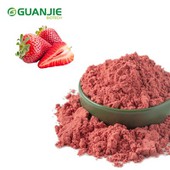
Can cats eat blueberry powder?
The answer is yes, blueberries and pure blueberry powder are safe for cats. However, this is provided that they are fed in moderation, correctly, and scientifically.
Is Blueberry Powder Safe for Cats?

First, a basic question: Are blueberries toxic to cats?
The answer is: No. In the field of pet nutrition, blueberries are widely considered one of the few fruits that cats can safely eat. A list compiled by pet nutritionists and published by Science Popularization China clearly states that berries such as blueberries, raspberries, cranberries, and strawberries are safe for cats.
More importantly, the application of blueberries in commercial pet food is already very mature. Internationally renowned pet food brands like Farmina explicitly include Natural Blueberry powder as an ingredient in their premium cat food products. This indicates that, with scientific formulation, blueberry powder is not only safe but also considered a beneficial source of nutrition.
What Are The Benefits of Blueberry Powder for Cats?
While cats are obligate carnivores and their primary source of nutrition should be animal protein, moderate intake of Natural Blueberry powder can provide several additional health benefits.
• Rich in Natural Antioxidants
Blueberries are hailed as the "King of Antioxidants." Their core value lies in their high content of anthocyanins, quercetin, and other polyphenolic compounds. These substances help eliminate free radicals in the body, slow down oxidative damage to cells, and thus support a healthy immune system and combat inflammation to some extent.
• Provides Vitamins and Fiber
Natural Blueberry powder contain vitamins A, C, and K, as well as dietary fiber. Vitamin A is crucial for a cat's vision health, and while cats can synthesize vitamin A themselves, supplementation still provides antioxidant benefits. Fiber helps promote intestinal motility, which can be helpful for cats with mild constipation or hairball problems. 3. Low in calories, suitable as a healthy snack
Compared to many high-fat, high-calorie processed snacks, pure blueberry powder is relatively low in calories. For cats who need to control their weight, blueberry powder can be used as an occasional reward without placing an excessive metabolic burden on their bodies.
What are the Actual Effects of Blueberry Powder?
Natural Blueberry powder sounds like it has many benefits, but a recent study published in the prestigious international journal *Journal of Animal Science* in January 2025 provides a more scientific perspective.
This study was funded by Mitacs Accelerate in collaboration with Champion Petfoods. Researchers analyzed 40 bags of commercially available puffed pet food (18 for cats and 22 for dogs) labeled as containing blueberries. They focused on testing the content of key antioxidants such as quercetin, free phenols, and alkali-insoluble phenols.

The study found:
• Extremely low levels:
The average concentration of quercetin in all the cat foods tested was only 5.05 ± 4.32 µg/g.
• Lower levels in cat food than in dog food:
The average concentrations of quercetin and alkali-insoluble phenols in cat food were generally lower than in dog food. Researchers believe this may be related to the relatively low total amount of fruits and vegetables added to cat food, as cats are obligate carnivores and cat food formulations are inherently meat-heavy.
• Insufficient as a primary source of antioxidants:
The study concluded that the polyphenol content provided by commercially available blueberry-containing cat food is insufficient to serve as the sole or primary source of antioxidants for cats. In other words, expecting a small amount of blueberry powder in cat food to achieve significant health benefits is unrealistic.
Implications for cat owners:
This study tells us that Natural Blueberry powder is a safe supplement for cats, not a treatment. We should not overemphasize its effects. If you wish to provide your cat with antioxidant support through blueberry powder, the key is to choose a high-purity, additive-free product and treat it as a small supplement to a balanced daily diet, not a replacement for their main food.
How to Add Blueberry Powder to Your Cat's Diet?
If you decide to try Natural Blueberry powder for your cat, follow these steps:
• Consult a Veterinarian:
If your cat has any specific health conditions (such as diabetes, obesity, or kidney disease), please consult a veterinarian first.
• Choose a High-Quality Supplier:
Choosing a reputable supplier with pure products is crucial. Guanjie Biotech is a blueberry powder supplier. If you choose a professional supplier like this, please ensure their products are all-natural, additive-free, pesticide-free, and suitable for pets.
• Start with a Very Small Amount:
For the first feeding, sprinkle only a tiny amount (such as a few grains of powder) on their food. Observe your cat for any allergic reactions or gastrointestinal upset.
• Observe Acceptance:
Cats have a very sensitive sense of smell, and some cats may not be interested in or even reject the taste of blueberries. Do not force-feed.
• Use as a "Condiment," Not a "Main Course":
Always remember that a cat's nutritional foundation must be high-quality animal protein (meat). Natural Blueberry powder is merely a "seasoning" to increase dietary diversity.
Common Misconceptions about Blueberry Powder
Myth 1: Natural Blueberry powder can treat cat diseases.
Fact: Blueberry fruit powder is a nutritional supplement, not a medicine. Recent scientific research shows that the concentration of antioxidants in blueberries in cat food is extremely low and cannot produce significant physiological therapeutic effects.
Myth 2: Blueberries are as beneficial for cats as they are for humans.
Fact: Cats' metabolic mechanisms differ from those of humans. Their liver detoxification capacity and nutritional needs differ greatly. A dose beneficial to humans may be harmful to cats.
Myth 3: All "natural" blueberry powder is absolutely safe.
Fact: Even pure natural blueberry powder, if fed in excess, can still cause diarrhea in cats due to sugar and fiber issues. Furthermore, pesticide residues should also be considered. Therefore, choosing a reliable Natural Blueberry powder supplier (such as Guanjie Biotech) is important.
Conclusion:
Natural Blueberry powder can be a safe and occasionally beneficial addition to a cat's diet when used responsibly. The key factors are purity, dosage, and frequency. High-quality sourcing, such as from established suppliers like Guanjie Biotech, ensures that the product is free from harmful additives and retains its beneficial compounds. If you are a pet supplement, welcome to enquire with us at info@gybiotech.com. Ultimately, feline nutrition should always prioritize species-appropriate dietary needs. Natural Blueberry powder may play a small supporting role, but it should never overshadow the fundamental requirement for animal-based nutrition that defines a healthy cat diet.
References
[1] ASPCA. Toxic and Non-Toxic Plants and Foods for Pets. ASPCA Animal Poison Control Center.
[2] Science Popularization China. Safe Fruits for Cats: A Nutritional Perspective.
[3] Journal of Animal Science. (2025). Polyphenol Concentrations in Commercial Pet Foods Containing Blueberry Ingredients.
[4] Association of American Feed Control Officials. Official Publication: Nutrient Profiles for Cats.
[5] National Research Council. (2006). Nutrient Requirements of Dogs and Cats. National Academies Press.
[6] U.S. Food and Drug Administration. Pet Food Safety and Ingredient Guidelines.
[7] Veterinary Nutrition literature review. Role of Antioxidants in Companion Animal Health.