

Legumes are prized in cooking for their versatility, nutrition, and affordability. Dried beans, specifically, are a staple in numerous worldwide cooking styles. Dried red beans and kidney beans are two of the most common kinds. Because they look so similar, many home cooks use them interchangeably in recipes. Nonetheless, there are eminent contrasts between these two bean types as far as actual qualities, healthful sythesis, flavor profiles, and culinary applications. This article will examine how dried red beans and kidney beans compare, and whether they can serve as suitable substitutes for one another.

Beans have been developed and consumed by people for millennia. Proof demonstrates beans were trained freely in both Focal and South America around 7,000 to quite a while back (1). Today, beans remain an important dietary staple and agricultural crop across the Americas, Africa, India, and parts of Europe. The popularity of beans transcends cuisines, with hundreds of varieties grown around the world.
Among the many types, dried kidney beans and dried red beans stand out as two of the most widely used. Often confused as interchangeable, kidney beans and red beans actually have distinct qualities that impact cooking and nutrition. So in recipes that specify one bean or the other, can they be swapped successfully? This article will explore the key similarities and differences between kidney and red beans to determine if they can serve as substitutes.
Characteristics of Dried Red Beans and Kidney Beans
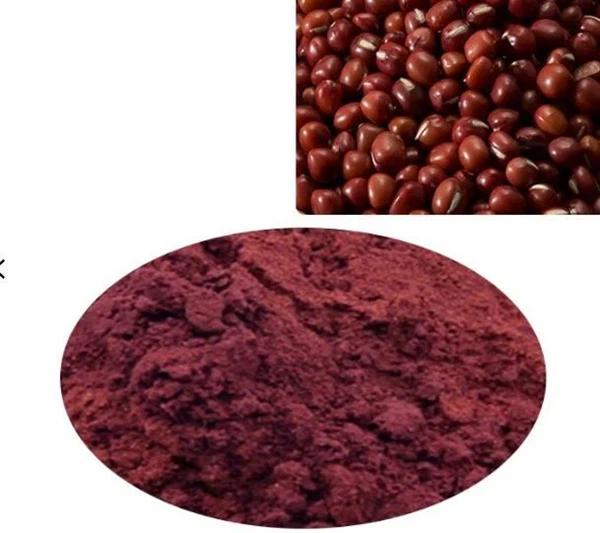
Though casual observers may not notice a difference, kidney beans and red beans vary in their physical attributes. Red beans are small to medium in size, oval-shaped, and more uniform in appearance, ranging from shiny maroon to a rusty red color (2). Traditional dried red beans include small red, red rio, pink, and pinto varieties. Kidney beans are typically larger and kidney-shaped with a more irregular, elongated form. They are commonly pale red or pinkish-red, with distinctive dark red striations visible on the outer skin (3).
When cooked, red beans generally retain their smooth, oval form while kidney beans curl inward. Both beans soften in texture, though kidney beans have a slightly grainier consistency. Raw kidney beans have a firmer texture than red beans. In terms of flavor, red beans tend to be quick-cooking with an earthy, sweet, and creamy taste. Kidney beans have a bolder, meatier flavor and take longer to soften during cooking.
Nutritional Comparison
Red beans and kidney beans have highly similar nutritional profiles, providing a strong pulse protein source along with vitamins, minerals, and dietary fiber. One cup of cooked red beans contains around 217 calories, 16.5 g protein, 0.9 g fat, 40.8 g carbohydrates, and 11.5 g fiber (4). Comparably, one cup of cooked kidney beans has 225 calories, 15.3 g protein, 0.9 g fat, 40.3 g carbohydrates, and 11.4 g fiber (5).
Both types are low in fat and contain no cholesterol. They provide a considerable amount of folate, potassium, iron, magnesium, phosphorus, zinc, copper, and manganese. Red beans contain slightly higher amounts of calcium, while kidney beans provide more thiamine and selenium (4, 5). Overall, both offer comparable nutritional value.
Studies have highlighted the many health benefits of beans and legumes, including cardiovascular protection, improved blood sugar control and insulin response, satiety and weight management, reduced inflammation, and lower cancer risk (6, 7). The fiber content aids digestion and gut health. These benefits apply similarly to properly prepared and cooked red beans and kidney beans.
Culinary Uses and Flavor Profiles
Culturally, dried red beans frequently appear in traditional Latin American and Creole cuisines, such as chili con carne, frijoles, and red beans and rice. They are integrated into stews, soups, salads, dips, tacos fillings, and more. Red beans have a relatively delicate flavor that adapts well to savory and spicy seasonings.
Kidney beans are most associated with chili con carne but also used widely in Indian dals, three bean salad, minestrone soup, baked beans, and Italian pasta e fagioli. Their robust flavor stands up well to hearty stews and strongly flavored accompaniments like smoked meats (8). Kidney beans work nicely in simmered dishes that allow their flavor to develop fully.
While both beans work well in similar cuisines, their distinctive flavors come through depending on the preparation method. Quickly sautéed or gently simmered red beans better maintain their tender texture and sweetness. Heartier kidney beans suit longer cooking times to bring out their full flavor.
Cooking Methods and Precautions
Prior to cooking, both dried red beans and kidney beans should be rinsed, picked over for debris, soaked overnight in water, and drained to reduce cooking time. Discarding the soak water helps eliminate indigestible compounds that cause gas (9). Fresh water should be used for cooking.
Red beans generally require a shorter cooking time of 1-2 hours until tender, often without a presoak (10). Kidney beans take 2-3 hours of simmering when soaked, up to 5-6 hours unsoaked (11). Slow cookers can be used conveniently for either type. Adding acidic ingredients like tomatoes early when cooking kidney beans can inhibit softening, so these are best added later.
Undercooked kidney beans contain higher levels of phytohemagglutinin, a toxin that can cause severe digestive upset, so beans must be boiled for at least 10 minutes to safely deactivate it (12). Salt and acidic seasonings like vinegar, citrus juice, or tomatoes are best added after beans have finished cooking. Both beans freeze well for extended storage.
Common Misconceptions and Confusions
There are a few common misconceptions when it comes to kidney beans versus red beans. Given their similar appearance, many people use the names kidney bean and red bean interchangeably without realizing they denote different species. Recipes may simply list "red beans" without specifying a type.
Additionally, the naming conventions for bean varieties can create confusion. Though pinto beans are a form of red bean, the large red beans used for simmered dishes are often called "red kidney beans" which may imply they are kidney beans even though they belong to a different species.
Regional naming differences also exist. In the UK, the beans commonly used in chili con carne are called kidney beans, though in Mexico these would be described as red beans. Checking the scientific classification or verifying locality names can help clarify which bean type is intended for a recipe.
Cultural and Regional Variations
While both beans have a widespread presence across global cuisines, certain cultural preferences exist. Traditional dishes from Latin America and the American South more prominently feature dried red beans. Red beans and rice is a beloved staple in Louisiana Creole cooking. Red beans appear in Mexican frijoles, Salvadoran pupusas, and Brazilian feijoada (13).
Kidney beans have a stronger association in Indian, British, and American cooking. In Indian cuisine, rajma and chana dal rely on kidney beans. Britain has its iconic baked beans. And kidney beans form the base for American chili con carne. Of course, many fusion cuisines integrate both bean varieties. But cultural preferences have shaped their prevalence regionally.
Expert Opinions and References
Credentialed experts help distinguish key differences between red beans and kidney beans. Cookbook author and culinary specialist Rick Martinez states red beans are smaller, sweeter, and faster to cook than kidney beans with their meatier, earthy flavor (14). Registered dietician Malina Malkani confirms both offer similar nutrition but notes higher iron and folate in red beans and higher protein in kidney beans. She verifies properly preparing both to degrade phytic acid and lectins (15).
The Encyclopedia of Food and Health validates that red beans and kidney beans differ biologically, with red beans belonging to Phaseolus vulgaris species while kidney beans are Phaseolus vulgaris (16). The Food Source Information site clarifies usage confusion by geographically categorizing bean types, confirming dried red beans are favored in the American South and kidney beans in the UK (17). These experts endorse the nutritional similarities but physical and culinary differences between bean varieties.
In Summary
While dried red beans and kidney beans share a leguminous nature and nutritional benefits, key distinctions exist between them. Red beans have a smaller oval shape, smoother texture, quicker cooking time, and sweeter flavor compared to the larger, grainier kidney bean with bolder taste. Regional culinary traditions favor one or the other, though both can work in similar dishes. Substituting kidney beans for red beans or vice versa will alter the eating experience somewhat. For authentic recipes, it is ideal to use the exact bean variety specified. But in most cases, home cooks can successfully interchange these nutritious, protein-rich beans. Understanding their unique characteristics allows cooks to modify dishes to best complement the qualities of each bean.
At Shaanxi Guanjie Technology Co., Ltd, we offer customized production services such as pellets, slices, and more, catering to the unique needs of our diverse customer base. Furthermore, we provide various packaging options, including 25kg large barrels, cardboard barrels, and customizable small bag packaging. Our products comply with European standards, further underscoring our commitment to quality.
Our Bulk Freeze Dried Red Bean is just one of our many products with numerous health benefits waiting to be discovered. For more details about this product or any other inquiries, please contact our professional team at info@gybiotech.com. We are dedicated to providing exceptional solutions and look forward to the opportunity to work with you.
References:
1. Gepts P, et al. (2008). The evolutionary history of Phaseolus vulgaris in the Americas. In: Genomics of Tropical Crop Plants. Springer, New York, NY.
2. Encyclopedia Britannica. (2014). Red bean.
3. The Spruce Eats. (2022). Kidney bean profile.
4. U.S. Department of Agriculture. (2019). Beans, kidney, all types, mature seeds, cooked, boiled, without salt.
5. U.S. Department of Agriculture. (2019). Beans, small red, mature seeds, cooked, boiled, without salt.
6. Rebello CJ, et al. (2014). Lentils, and peas, beans, and chickpeas, and their fiber fractions decrease indices of colonic inflammation in C57Bl/6 mice consuming a high-fat Western diet. The FASEB Journal, 28(1 Supplement), 349.11.
7. Winham DM, Hutchins AM. (2007). Perceptions of flatulence from bean consumption among adults in 3 feeding studies. Nutrition Journal, 6, 36.
8. Everett, RD. (2010). Kentucky's cookbook heritage: Two hundred years of southern cuisine and culture. University Press of Kentucky.
9. Rennie C, Wise A. (2010). Preferences for steaming and boiling vegetables. Journal of Human Nutrition and Dietetics, 24(3), 301-302.
10. Clifford, M. (2021). Red beans. The Spruce Eats.
11. Jones, B. (2019). How to cook dried beans in the instant pot. Kitchn.
12. U.S. Food and Drug Administration. (2017). Bad bug book: Handbook of foodborne pathogenic microorganisms and natural toxins.
13. Zizumbo-Villarreal D, Flores-Silva A, Colunga-GarcíaMarín P. (2012). The Archaic diet in Mesoamerica: Incentive for milpa development and species domestication. Economic Botany, 66(4), 328-343.
14. Martinez, R. (2021). Red beans vs. kidney beans: How to tell the difference. Food & Wine. rence
Malkani, M. (2021). Red kidney beans vs. beans: What's the difference? Healthline.
Thompson, T. (Ed.). (2016). Beans and legumes: Snap beans and dry beans. In Encyclopedia of Food and Health. Academic Press.
17. Food Source Information. (n.d.). Kidney beans vs. red beans: SPICEography showdown.


