

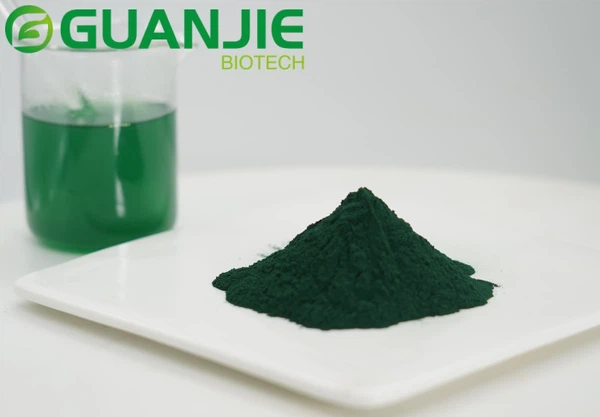
Pure spirulina powder is widely used as a nutrient-dense food and supplement. Dried spirulina powder provides a concentrated mix of macronutrients (high protein) and micronutrients - including a range of fat-soluble and water-soluble vitamins such as provitamin A (β-carotene), several B-vitamins (B1, B2, B3, and small amounts of B6 and folate), vitamin E (tocopherols), and others. Let's look at the details.
What Vitamins Are In Spirulina Powder?
Below I list the vitamin groups usually quantified in pure spirulina powder, what forms are present, and short notes on typical levels and significance.
Provitamin A - β-carotene and Other Carotenoids
Pure spirulina powder is an exceptional source of carotenoids, particularly β-carotene, a well-known provitamin A. It also contains other carotenoids such as zeaxanthin and cryptoxanthin.
β-carotene is converted in the human body into retinol (vitamin A), a nutrient essential for healthy vision, immune function, and cell growth. Additionally, carotenoids act as antioxidants, helping to neutralize free radicals and protect tissues from oxidative stress. Research shows that spirulina's β-carotene content can surpass that of many fruits and vegetables, making it an efficient natural source of provitamin A[1][2].
B-Vitamin Complex (B1, B2, B3, B6, Folate - Variable Levels)
Pure spirulina powder naturally contains a range of water-soluble B vitamins, including thiamine (B1), riboflavin (B2), niacin (B3), small amounts of pyridoxine (B6), and folate. These vitamins are produced during the cyanobacteria's metabolic processes.
B vitamins are essential coenzymes in energy metabolism, nerve function, and red blood cell production. In spirulina, they originate from the microorganism's enzymatic systems, which require these compounds for photosynthesis, respiration, and biosynthesis. Adequate intake of B vitamins supports energy levels, healthy skin, and brain function[1][3].
Vitamin B12 - Contested and Unreliable Source
Earlier analyses suggested pure spirulina powder contained substantial amounts of vitamin B12. However, later studies revealed that most of the cobalamin-like compounds present are pseudovitamin B12 - structurally similar to cobalamin but inactive in human metabolism.
While these analogues may show up in laboratory tests, they cannot meet human vitamin B12 requirements. This makes pure spirulina powder an unreliable source for vegans or individuals at risk of B12 deficiency. Clinical and biochemical research has consistently shown that natural spirulina powder supplementation does not correct B12 deficiency markers. For this reason, vitamin B12 should be obtained from proven dietary sources or fortified supplements[2].
Vitamin E (Tocopherols)
Pure spirulina powder contains tocopherols, members of the vitamin E family, known for their potent antioxidant properties.
Vitamin E protects polyunsaturated fatty acids in cell membranes from oxidation, preserving the integrity of tissues and supporting immune function. Although the levels in spirulina are moderate compared to dedicated vitamin E sources, they still contribute to overall antioxidant capacity. The concentration of tocopherols varies depending on raw spirulina powder strain, cultivation conditions, and drying methods[1].

Vitamin K (Menaquinones / Phylloquinone Forms)
Small amounts of vitamin K are naturally present in spirulina. Cyanobacteria biosynthesize menaquinones and related quinone compounds as part of their photosynthetic electron transport system.
Vitamin K plays a key role in blood clotting and bone metabolism. Although pure spirulina powder is not a major dietary source of vitamin K, the amounts it contains may still provide minor nutritional benefits, particularly when consumed regularly as part of a balanced diet[3].
Minor Vitamins and Provitamins
Beyond its main vitamin profile, pure spirulina powder offers small amounts of other vitamin-like compounds such as choline, as well as trace levels of bioactive phenolic compounds with antioxidant activity.
Why it matters:
Choline supports brain health, liver function, and lipid metabolism, while antioxidant phenolics can help protect cells from oxidative damage. Although present in small quantities, these micronutrients contribute to the overall functional value of spirulina powder[1].
Why does Spirulina Contain These Vitamins?
The vitamin content of pure spirulina powder follows from basic microbiology and cyanobacterial metabolism:
Primary metabolism and coenzyme needs.
B vitamins (B1, B2, B3, B6, folate) are central to enzymatic reactions (cofactors in decarboxylation, redox reactions, one-carbon metabolism). Cyanobacteria synthesize many of these molecules for their own metabolic needs; when biomass is consumed, humans can use those vitamins[1].
Photosynthetic pigments and carotenoid biosynthesis.
Pure spirulina powder is photosynthetic and produces carotenoids (β-carotene, zeaxanthin) for photoprotection and light harvesting; these are the same molecules counted as provitamin A in foods. That's why β-carotene levels are relatively high[1].
Membrane protection and antioxidants.
Tocopherols and other antioxidant molecules are produced to protect membrane lipids from oxidative stress in light-exposed, high-oxygen environments - so pure spirulina powder accumulates vitamin-E-type compounds[1].
Corrinoid biosynthesis in microbes.
Many microbes synthesize corrinoid compounds (cobalamin family). However, the corrinoids produced differ chemically among organisms. Spirulina often produces pseudocobalamins whose lower ligand differs from human-active cobalamin; these analogues bind in assays but are not functional as vitamin B12 in human biochemistry. That explains early erroneous B12 measurements and why careful chemical speciation is needed[2].
How Much of Each Vitamin?
Ritamin concentrations in pure spirulina powder vary widely between strains, cultivation conditions, harvest time and drying/processing methods. Reviews and compositional studies show wide ranges rather than single values.
β-carotene:
β-carotene is often reported as notably high. Some strains and production systems yield large β-carotene concentrations (contributing to provitamin A activity), although exact µg/g values vary in the literature[1][3].
B vitamins (B1, B2, B3):
B vitamins are typically present in measurable quantities; riboflavin and thiamine are commonly detected. Levels depend strongly on nutrient formulation and light[3].
Vitamin B12:
Total cobalamin-like activity measured historically tended to overestimate bioactive B12 because assays detected analogues; modern chromatographic/speciation work indicates pseudovitamin B12 predominates, making spirulina unsuitable as a reliable B12 supplement for humans[2][4].
Vitamin E and K:
They present at low-to-moderate levels with variation by strain and lipid content[1].
(For precise numbers for a specific pure spirulina powder, consult the product's certificate of analysis - content is batch-dependent.[5])
Bioavailability & Nutritional Reliability
Is Spirulina a Good Source of Vitamin B12?
This is the single most important practical question. Earlier assays (microbiological or nonspecific colorimetric tests) detected cobalamin activity in spirulina, leading to claims that pure spirulina powder was a vegan B12 source. However, modern chemical speciation (HPLC, mass spectrometry) shows that the majority of corrinoids in spirulina are pseudovitamin B12 analogues that are not active in human metabolism. Feeding trials and rat studies support the conclusion that spirulina does not reliably supply bioactive B12 for humans. Therefore, do not rely on spirulina as your only B12 source if you are at risk of deficiency[4].
Are Other Vitamins Bioavailable?
Most water-soluble B vitamins (B1, B2, B3, folate) and provitamin A are present in chemical forms that humans can absorb, provided amounts are sufficient. Protein-bound or matrix effects (spirulina's high protein matrix) can modestly affect absorption, but overall, spirulina is an effective dietary source of many micronutrients and antioxidants when consumed as part of a balanced diet. Clinical and animal studies show spirulina supplementation can improve markers of antioxidant status, inflammation and anemia in some contexts - effects that are plausibly linked to its mixed micronutrient profile (iron, provitamin A, tocopherols, B vitamins) and bioactive pigments[1].
Pure Spirulina powder contains a useful mix of vitamins: notably provitamin A (β-carotene), B-vitamins (B1, B2, B3, folate variable), vitamin E, and small amounts of vitamin K - all produced as part of cyanobacterial metabolism[1][3]. Spirulina's vitamins combine with pigments and minerals to produce antioxidant and metabolic benefits observed in many studies - but effects are complex and not reducible to a single vitamin[4].
Guanjie Biotech is a pure spirulina powder manufacturer. If you're a food manufacturer, supplement formulator, or cosmetic brand, and want to add natural spirulina powder to your product. Guanjie Biotech's raw spirulina powder is a reliable and effective ingredient for your natural spirulina bulk powder product innovation. For more information or samples, feel free to contact our sales team at info@gybiotech.com.
References
[1] Belay A. "Spirulina in Clinical Practice: Evidence-Based Human Applications." Journal of Medicinal Food review and clinical summaries; spirulina's vitamins and clinical uses discussed. (PMC review).
[2] Dagnelie PC. "Biologically active or just 'pseudo'-vitamin B12 as predominant form in spirulina?" Journal of Food Composition and Analysis / Trends - chemical speciation work and reviews showing B12 analogue issue.
[3] MDPI open access article: "Nutritional Composition and Functional Properties of A. platensis" - compositional tables and functional use in foods.
[4]Watanabe F., et al. "Characterization and bioavailability of vitamin B12-compounds from edible algae." Journal of Nutritional Science and Vitaminology - analysis of cobalamin forms and bioavailability showing pseudovitamin predominance in spirulina.
[5] Becker EW. "A review on culture, production and use of spirulina as food for humans and animals." FAO/technical reports and open-access reviews summarizing production and nutritional uses.


