

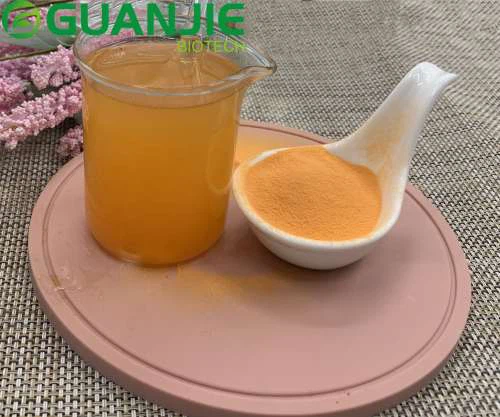
Natural carrot powder is from fresh carrots. It is commonly used as a natural food coloring, flavoring agent, or nutritional supplement. A key question among consumers and food scientists is whether carrot powder retains the original taste of fresh carrots. In this passage, we'll talk about the affecting factors, scientific studies, and differences.
Natural Carrot powder has a mild, sweet, and subtly earthy flavor, resembling fresh carrots but in a more concentrated form. The drying process intensifies the natural sugars, giving them a gentle sweetness, though not as vibrant as raw carrots.
● Natural Sweetness
Carrot powder retains some of the vegetable's inherent sweetness, though it's less pronounced than in fresh carrots due to moisture loss.
●Earthy & Woody Undertones
It carries a soft, earthy taste, similar to cooked or dehydrated carrots, with a hint of vegetal freshness.
●Slight Bitterness (if low-quality)
Over-drying or high-heat processing can introduce a faint bitter note, but well-made powder remains smooth.
●Roasted Depth (if heat-treated)
Some versions, especially roasted carrot powder, develop a richer, slightly nutty or umami flavor.
Factors Affecting the Taste of Carrot Powder
Carrot powder's flavor can differ significantly due to various processing factors. The taste of natural carrot powder is influenced by the dehydration method, loss of volatile compounds, sugar concentration, and chemical reactions like the Maillard effect. Understanding these factors helps explain why carrot powder may not always taste exactly like fresh carrots.
Dehydration Process and Flavor Retention
The method used to dehydrate carrot powder plays a crucial role in preserving their natural flavor. Common drying techniques include:
• Air-drying:
Exposes carrots to heat and oxygen, leading to oxidation and flavor degradation. This method often results in a muted, less vibrant taste.
• Freeze-drying (lyophilization):
Preserves volatile compounds better by removing moisture at low temperatures. Freeze-dried carrot powder retains a fresher, more authentic carrot flavor.
• Spray-drying:
Uses high heat to evaporate moisture quickly, which can cause thermal degradation of delicate flavor molecules, leading to a slightly altered taste.
Research by Krokida et al. (2001) confirmed that freeze-drying maintains more of the original carrot flavor compared to hot-air drying, which can introduce caramelized, sweeter notes while diminishing fresh, vegetal characteristics[1].
So it's important to choose natural carrot powder. The quality is based on the production methods and the freshness of the carrots. For the most authentic and vibrant flavor, opt for high-quality carrot powder from trusted suppliers like Guanjie Biotech. We use freeze-dried, spray-dried and hot air drying. If you need bulk carrot powder, you can enquiry us. We can provide the products that suit you.
Loss of Volatile Compounds
Fresh carrots contain volatile organic compounds (VOCs) that contribute to their distinctive aroma and taste, including:
• Terpenes (α-pinene, β-pinene): Provide earthy, fresh, and slightly woody notes.
• Sesquiterpenes (β-caryophyllene): Add a subtle spiciness.
A study by Alasalvar et al. (2001) found that drying processes significantly reduce these volatile compounds, resulting in a less complex and sometimes "flat" flavor. As a result, natural carrot powder may taste less like raw carrots and more earthy or muted[2].
Concentration of Sugars and Umami Compounds
Carrots naturally contain sugars (glucose, fructose, sucrose) and glutamic acid, which contribute to their sweetness and umami richness. During dehydration, water removal concentrates these compounds, making carrot powder taste:
• Sweeter than fresh carrots due to heightened sugar levels.
• Less balanced, as the loss of water-soluble flavors can make the taste one-dimensional.
According to Soria et al. (2009), this sugar concentration of natural carrot powder can enhance sweetness but may also mask some of the subtle vegetal notes found in fresh carrots[3].
Maillard Reaction and Browning Effects
When carrots undergo heat processing for drying, the Maillard reaction-a chemical interaction between amino acids and sugars-significantly alters their flavor profile. This reaction leads to:
• Enhanced roasted, nutty notes – Similar to baked or steamed carrots.
• Diminished fresh, vegetal taste – The bright, crisp flavor of raw carrots fades.
According to Baysal et al. (2002), high-temperature drying methods like spray-drying intensify the Maillard reaction, resulting in deeper caramelization and a toasted, slightly sweet taste distinct from fresh carrots. This effect makes natural carrot powder taste more like cooked carrots rather than raw ones[4].
Scientific Studies on Carrot Powder
Study 1: Impact of Drying Methods on Flavor (Krokida et al., 2001)
Compared air-drying, freeze-drying, and vacuum-drying.
Freeze-dried carrot powder retained the most original flavor.
Air-dried powder had a more subdued, cooked carrot taste[1].
Study 2: Volatile Compounds in Carrot Powder (Alasalvar et al., 2001)
Analyzed VOC retention in different drying techniques.
Found a 40-60% reduction in key terpenes after dehydration.
Concluded that natural carrot powder has a less complex flavor than fresh carrots[2].
Study 3: Sensory Evaluation of Carrot Powder (Soria et al., 2009)
Panelists rated freeze-dried carrot powder as closest to fresh carrots.
Spray-dried natural carrot powder was sweeter but lacked fresh vegetal notes[3].
Advantages of Carrot Powder
Fresh carrots are perishable and may lose quality during storage and transportation. Carrot powder, produced through drying and grinding processes, offers a concentrated, shelf-stable alternative with unique advantages in nutrition, convenience, and industrial applications.

Longer Shelf Life and Stability
One of the most significant advantages of natural carrot powder is its extended shelf life. Fresh carrots contain around 85–90% water, making them highly susceptible to microbial spoilage, enzymatic activity, and nutrient degradation during storage. By removing water through drying methods such as freeze-drying, spray drying, or hot-air drying, carrot powder becomes far less prone to microbial growth and deterioration. When properly packaged, it can be stored for months or even years without significant loss of quality, which is particularly beneficial for regions lacking reliable cold storage facilities [5].
Nutrient Preservation and Concentration
Drying carrots into powder concentrates many of their nutrients, particularly carotenoids such as β-carotene, which functions as provitamin A. While some nutrient loss occurs during processing, advanced drying technologies like freeze-drying preserve a high proportion of bioactive compounds. Carrot powder typically delivers higher nutrient density per gram compared to fresh carrots because the bulk of water is removed. For example, consuming a small amount of natural carrot powder can provide comparable vitamin A activity to a much larger portion of fresh carrots [6].


Versatility and Ease of Use
Carrot powder is versatile in its applications. It can be incorporated into smoothies, soups, sauces, baked goods, baby food, and nutritional supplements without the need for peeling, chopping, or cooking. For the food industry, carrot powder is an excellent natural coloring and flavoring agent, offering bright orange hues due to its carotenoid content. This makes it a cleaner label alternative to synthetic colorants in natural carrot powder products like beverages, snacks, and confectionery[7].
Reduced Post-Harvest Losses
Fresh carrots are bulky and require refrigerated transport to maintain quality, making them vulnerable to post-harvest losses. In contrast, converting carrots into powder reduces weight and volume significantly, improving transport efficiency and lowering food waste. This approach allows surplus or cosmetically imperfect carrots, which might otherwise be discarded, to be processed into natural carrot powder and utilized in value-added products, thereby contributing to food sustainability[8].


Convenience for Consumers and Manufacturers
Natural carrot powder eliminates preparation time and reduces cooking requirements. It dissolves quickly in liquids and can be easily blended into processed foods. For manufacturers, standardized carrot powder ensures consistent flavor, color, and nutrient levels across product batches. This uniformity is harder to achieve with fresh carrots, which vary in size, taste, and carotenoid content depending on season, variety, and growing conditions[9].
Functional and Health Benefits
Beyond nutritional content, natural carrot powder retains phytochemicals such as polyphenols and antioxidants, which contribute to health benefits like improved vision, immune support, and potential protection against oxidative stress-related diseases. Incorporating carrot powder into foods offers a simple way to fortify diets with functional ingredients, particularly in populations with limited access to fresh produce[10].

Conclusion
Natural carrot powder does taste like carrots, but the flavor is altered due to the loss of volatile compounds during drying and the concentration of sugars. Freeze-dried carrot powder retains the most authentic carrot flavor, while other methods may produce sweeter or earthier profiles. And pure carrot powder has other advantages on the other hand. Whether you want to enhance the flavor of your dishes, enrich their nutritional value, or find a more convenient way to incorporate vegetables into your diet, carrot powder is an ideal choice.
If you are looking for high-quality carrot powder, Guanjie Biotech can provide you with a variety of natural carrot powder products that meet strict quality standards. Please contact us at info@gybiotech.com for more information about our products or to request ordering details.
References
[1]Krokida, M. K., Oreopoulou, V., Maroulis, Z. B., & Marinos-Kouris, D. (2001). Effect of drying method on shrinkage and porosity. Drying Technology, 19(5), 963-980.
[2]Alasalvar, C., Grigor, J. M., Zhang, D., Quantick, P. C., & Shahidi, F. (2001). Comparison of volatiles and sensory characteristics of fresh and dehydrated carrots. Journal of Agricultural and Food Chemistry, 49(8), 3915-3922.
[3]Soria, A. C., Sanz, M. L., & Villamiel, M. (2009). Effect of drying on volatile compounds in carrots. Food Chemistry, 114(4), 1473-1479.
[4]Baysal, T., Icier, F., Ersus, S., & Yildiz, H. (2002). Effects of microwave and hot air drying on carrot flavor. Journal of Food Engineering, 53(3), 271-276.
[5]Yadav, S., Pathera, A., & Tewari, D. (2020). Drying of fruits and vegetables: A review. Journal of Pharmacognosy and Phytochemistry, 9(5), 238–246.
[6]Knorr, D., Augustin, M. A., Tiwari, B., & Galanakis, C. M. (2019). Food processing and nutrition: a review. Food and Function, 10(9), 5275–5291.
[7]Sharma, K. D., Karki, S., Thakur, N. S., & Attri, S. (2021). Chemical composition, functional properties and processing of carrot-A review. Journal of Food Science and Technology, 59(1), 1–15.
[8]FAO. (2019). The State of Food and Agriculture: Moving forward on food loss and waste reduction. Food and Agriculture Organization of the United Nations.
[9]Alasalvar, C., Grigor, J. M., Zhang, D., Quantick, P. C., & Shahidi, F. (2001). Comparison of volatiles, phenolics, sugars, antioxidant vitamins, and sensory quality of different colored carrot varieties. Journal of Agricultural and Food Chemistry, 49(3), 1410–1416.
[10]Zhang, D., Hamauzu, Y., & Qin, Y. (2020). Bioactive components and health benefits of carrots. Food Research International, 132, 109119.


