

Matcha tea powder is a unique form of green tea that has been an integral part of traditional Japanese tea ceremonies for centuries. Recently, matcha has become popular around the world for its potential health benefits and versatile culinary uses.
Matcha is made from shade-grown tea leaves that are finely ground into a bright emerald green powder. Consuming the powder provides a more potent nutritional and antioxidant boost than simply steeping green tea leaves in water. From traditional preparation methods to recipes for matcha-infused foods and drinks, this article will explore everything you need to know about matcha tea powder.
The Origins and History of Matcha
Matcha was first cultivated in China during the Tang Dynasty (618-907 AD) and brought to Japan by Buddhist monks in the 12th century. The tea was vastly popular among monks for its ability to bolster mental alertness during long hours of meditation. Over time, the method of cultivating and preparing matcha evolved into the intricate Japanese tea ceremony tradition upheld today.

By the 16th century, matcha had become an invaluable part of Japanese culture, playing an important role in tea ceremonies, medicine, and cooking for monks, samurai, and the elite. Today, matcha retains strong cultural significance in Japan while also gaining popularity worldwide for its purported wellness benefits.
Growing and Harvesting Matcha Tea Leaves
Unlike most green teas, matcha tea plants are specifically cultivated and processed to yield finer powder-quality leaves. The tea plants are covered with shade cloths for up to 20 days before harvest. By limiting access to sunlight prior to harvesting, the tea plant responds by producing more chlorophyll and amino acids like L-Theanine. This shade-growing technique also causes the leaves to develop a darker green hue and sweeter flavor profile.
The harvested tea leaves, known as tencha, are then carefully stripped from the vines and stems by hand selection. This ensures that only the finest, younger leaves and leaf buds are collected to make high-grade matcha powder.
Processing and Grinding the Tea Leaves into Powder
After harvest, the matcha tea leaves undergo an intensive production process carried out in industrial facilities. First, the leaves are briefly steamed to prevent oxidation and preserve the vivid green color. Then the leaves go through an air drying process called tencha araho for up to 20 days until the moisture content drops below 5%. This step reduces vegetal flavors and allows the maillard reaction to develop more complex savory notes in the leaves.
The final step is to grind the dried tea leaves in granite stone mills to produce matcha powder. This grinding technique is slow and labor-intensive, taking up to an hour to grind 30 grams of matcha. But stone mills preserve the delicate nutrients in matcha better than steel blade grinders. After sifting away any remaining fiber, the fine powder is ready for ceremonial or culinary use.
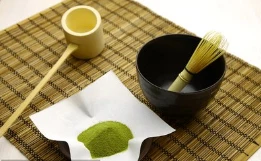
The Traditional Japanese Tea Ceremony
The traditional Japanese tea ceremony centered around matcha is called chanoyu or the "way of tea". It reflects principles of zen Buddhism by focusing on tranquility, respect through discipline, harmony with nature, purity of setting, and mindfulness. This detailed ritual cleansing and preparation of matcha to serve guests represents Japanese hospitality and appreciation for the present moment.
Key aspects of the Japanese tea ceremony include:
- Purifying tools and setting to cleanse the mind
- Steaming and frothed the matcha powder with a bamboo whisk
- Serving in handcrafted ceramic bowls shaped by tea masters
- Drinking matcha in three sips to savor the flavor
While tourists can witness public tea ceremonies at shrines and gardens, traditional teas are still held in private houses for small groups to foster connections. Mastering the intricate art of Japanese tea ceremony takes many years of disciplined practice and mentorship.
The Health Benefits of Matcha Tea Powder
With its high concentrations of nutrients from shade growing, matcha tea powder offers a wide range of science-backed health benefits. Matcha contains beneficial plant compounds like polyphenols and catechins that function as antioxidants in our bodies. Consuming matcha powder also provides vitamins, minerals, amino acids, and fiber.
Rich in Powerful Antioxidants
Matcha greens tea is packed with antioxidants to help fight cell damage by reactive oxygen species in our bodies. The key antioxidant epigallocatechin gallate (EGCG) makes up over 60% of catechins in matcha. Research shows EGCG has anti-inflammatory, anti-viral, anti-aging, and anti-carcinogenic potential. Meanwhile, chlorophyll-rich matcha also contains the antioxidants lutein and zeaxanthin linked to eye health.
Vitamins, Minerals, and Other Nutrients
In addition to antioxidants, matcha contains vitamins A, C, E, K, B-vitamins, manganese, zinc, selenium, chromium, and more. Compounds like L-theanine and fiber also offer cognitive and digestive benefits. This unique nutrient profile supports overall wellness from cellular protection to metabolism and brain health.

Provides Clean Energy and Focus
Thanks to its natural caffeine content, matcha gives a boost in energy and alertness similar to coffee. But instead of the jittery stimulant effect from caffeine alone, L-theanine and antioxidants provide calm focus. The amino acid L-theanine also induces alpha brain waves to promote alert relaxation. Many people drink matcha in place of coffee for sustain energy without anxiety or crashing later.
Supports Detoxification
Chlorophyll gives matcha powder its signature green color and powerful cleansing properties. The plant pigment chlorophyll binds to heavy metals and chemical toxins, preventing their absorption and expediting removal from the body. As a low-calorie tea packed with fiber, green tea matcha powder also aids digestion and stabilizes blood sugar levels.
How to Prepare and Drink Traditional Matcha
To make standard matcha tea for drinking, it is best to follow a traditional technique called usucha.
Brewing Tools:
- Matcha powder
- Bamboo scoop (chashaku) and whisk (chasen)
- Electric kettle
- Ceramic matcha bowl (chawan)
- Fine mesh strainer or sifter
Step by Step Brewing:
1. Heat filtered water to 160-180 Fahrenheit. Do not boil.
2. Place 1-2 bamboo scoops of matcha powder into the empty tea bowl.
3. Pour a splash of hot water into the bowl and whisk vigorously in an "M" motion until frothy. This prevents clumping.
4. Add the remaining hot water and whisk again to combine. Froth level is a personal preference.
5. Pour the matcha tea through a strainer into a separate cup to remove any powder lumps or foam.
6. Enjoy the fresh matcha tea straight, with milk, or over ice.
For a thinner tea, simply add more hot water and whisk again before straining. You can also adjust the number of scoops based on your taste preferences for stronger or milder matcha.
Matcha's Culinary Uses
In addition to traditional drinking matcha, tea connoisseurs have come up with creative ways to consume this superfood across the culinary world.
Matcha Desserts and Baked Goods
Given its natural sweetness and vibrant color, matcha green tea powder is ideal for incorporating into popular desserts and baked goods like:
- Matcha ice cream, gelato, milkshakes
- Matcha lattes, bubble tea with milk
- Macarons, cake, cookies, pies, cupcakes
- Pancakes, crepes, waffles topped with matcha
- Panna cotta, rice pudding, cheesecake infused with matcha
Mixologists are also using matcha to elevate cocktail recipes from classic martinis to sparkling champagne and non-alcoholic mocktails.
Savory Matcha Dishes
In addition to sweets, matcha also beautifully complements many savory recipes:
- Salad dressings, sauces, aiolis with matcha
- Seasoned matcha salts or spice blends
- Infused pasta, gnocchi, ravioli
- Risottos, vegetable sides
- Broths, soups
- Matcha guacamole
Conclusion on Matcha Tea Powder
From its origins in ancient Buddhist monasteries to modernRecipesFusion cuisines, vibrant matcha tea powder continues to gain recognition for its versatility and healthy properties. Japan's treasured "way of tea" ritual not only highlights the cultural heritage tied to matcha – it reflects mindfulness, harmony with nature, and human connections we could all benefit from today.
As the research on matcha's antioxidant richness and brain-boosting L-theanine continues to build, this green superfood powder shows potential as a daily wellness supplement. Yet frequent high-grade matcha still comes at a price and remains less common outside Asia. Besides seeking authentic high quality tea sources, more affordable matcha tea bags and pre-made beverages offer a convenient introduction to balanced energy, focus, and detoxification of leaves themselves.
Beyond the ceremonial approach, creative hybrid matcha-based foods and drinks make it fun to integrate into any lifestyle or diet. So don't be afraid to experiment with matcha flavors you enjoy from baked goods to salad dressings. Who knows – with ancient roots and modern appeal, matcha could become your next kitchen staple or morning ritual for boosted wellbeing.
Shaanxi Guanjie Technology Co., Ltd. is a leading manufacturing enterprise that provides high-quality plant extracts to customers worldwide. We follow GMP production requirements from raw material planting and collection to processing and production, ensuring the highest quality standards. We also offer customized production options such as pellets and slices to meet the specific needs of different customers. Our packaging options include 25kg large barrel, cardboard barrel, and customized small bag packaging. Our products are compliant with European standards. The company's Bulk Matcha Tea Powder is a popular product that can be obtained by contacting our sales team at info@gybiotech.com. We strive to provide customers with the best products at the most competitive prices.
References:
Smith, A. (2021). The Japanese Way of Tea: From Its Origins in Monasteries to the Tea Ceremony Today. Chronicle Books.
Espinosa, L. (2017). Matcha: A Lifestyle Guide to the World's Most Powerful Tea. St. Martin's Essentials.
Weiss, D., & Anderton, C. (2003). Nutrition Handbook for Nursing Practice. Prentice Hall.
Cabrera, C., Artacho, R., & Giménez, R. (2006). Beneficial effects of green tea-a review. Journal of the American College of Nutrition, 25(2), 79-99.
Kuriyama, S., Shimazu, T., Ohmori, K., Kikuchi, N., Nakaya, N., Nishino, Y., Tsuji, I. (2006). Green tea consumption and mortality due to cardiovascular disease, and all causes in Japan: the Ohsaki study. JAMA, 296(10), 1255-1265.


