

Almond protein powder is a fundamental ingredient in global pantries, revered for its nutritional density, gluten-free properties, and complex flavor. To simply state that it tastes "nutty" is a profound understatement. The taste of almond powder is a sophisticated symphony of taste compounds, influenced by genetics, processing methods, and culinary application. This essay will deconstruct the precise flavor profile of almond protein powder, elucidate the biochemical and processing reasons behind its taste, and explore its culinary implications, supported by scientific research and gastronomic theory.
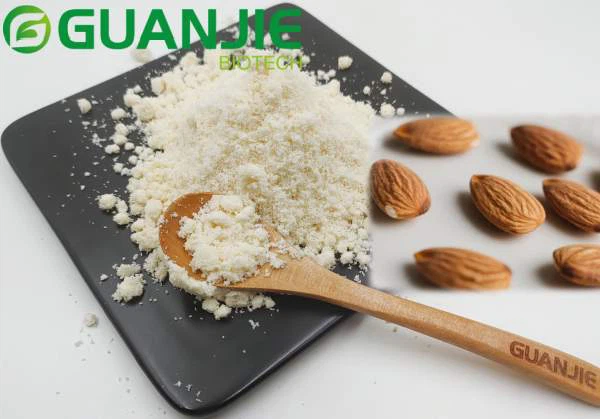
What does almond powder taste like?
The taste of almond protein powder, can be broken down into several interconnected sensory components:
Primary Sweetness:
Unlike many other nut flours, natural almond powder possesses a inherent, pronounced sweetness. This is not the sharp, sucrose-based sweetness of sugar but a milder, rounded, and almost marzipan-like sweetness. This characteristic is paramount, making it an ideal base for pastries, cookies, and macarons, where it contributes body and flavor without the need for excessive added sugars.
Distinctive Nuttiness:
The nutty flavor is the most recognizable attribute. However, it is specific to almonds-buttery, rich, and earthy rather than the robust, pungent nuttiness of walnut flour or the deep, intense character of hazelnut flour. This nuttiness is warm and inviting, forming the backbone of its flavor profile.
Subtle Bitterness (A Variable Factor):
A very slight, pleasant bitterness often lingers in the finish, especially almond protein powder made from almonds with their skins still on (natural almond meal). This bitterness balances the sweetness and adds complexity, preventing the flavor from being cloying. However, the level of bitterness is a key variable.
Buttery and Fatty Mouthfeel:
Almonds contain approximately 50% fat, predominantly monounsaturated fats (oleic acid). This high fat content is not a taste per se but a critical tactile sensation. It contributes to a rich, luxurious mouthfeel that coats the palate, mimicking the effect of butter or oil in recipes. This "fattiness" is a carrier for flavor compounds, making the sweet and nutty notes more pronounced and longer-lasting.
Earthy and Woody Undertones:
Especially in unblanched (skin-on) almond protein powder,, there are detectable earthy, slightly tannic, and woody notes. These come from phenolic compounds concentrated in the almond skin, such as flavonoids and phenolic acids. These compounds add a layer of savory depth, making skin-on almond powder suitable for heartier applications like breading for fish or chicken.

Aromatic Volatiles:
Taste is inseparable from aroma. The signature scent of almond protein powder, is derived from volatile organic compounds (VOCs) released when the cell walls of the almond are broken during grinding. Key compounds include:
•Benzaldehyde:
This is the most significant VOC, responsible for the classic, recognizable "almond" and marzipan aroma. It is formed from the enzymatic breakdown of amygdalin, a compound present in bitter almonds and, in smaller amounts, in sweet almonds.
•Pyrazines:
These compounds contribute roasted, nutty, and earthy notes. Their concentration increases dramatically with roasting.
•Furanones:
Compounds like 4-hydroxy-2,5-dimethyl-3(2H)-furanone contribute sweet, caramel-like aromas.
The precise balance of these components-sweetness, nuttiness, bitterness, fat, and aroma-defines the taste of natural almond powder. However, this balance is not fixed. Almond protein powder is dramatically influenced by several key factors.
What Effect the Taste of Almond Powder?
The flavor of almond protein powder is not monolithic. It is a variable outcome determined by almond variety, processing, and treatment.
Almond Variety (Sweet vs. Bitter):
It is crucial to distinguish between the almonds used for almond protein powder. Commercial almond powder is exclusively made from sweet almonds (Prunus dulcis var. dulcis). Bitter almonds (Prunus dulcis var. amara) contain significantly higher levels of amygdalin, which metabolizes into cyanide. Their sale is prohibited in many countries. The trace amounts of benzaldehyde from amygdalin in sweet almonds contribute to the aroma but are at safe, non-toxic levels. The genetic makeup of different sweet almond cultivars (e.g., Nonpareil, Carmel, Mission) also leads to slight variations in oil, sugar, and phenolic content, thus affecting flavor.

The Roasting Variable:
This is the single most important factor a cook can control. Raw almond powder has a milder, grassier, and more subtly sweet and nutty flavor. Roasted almond protein powder undergoes profound chemical changes that intensify and alter its taste profile.
• Maillard Reaction:
This complex reaction between amino acids and reducing sugars at elevated temperatures creates a plethora of new flavor and aroma compounds. Pyrazines (nutty, roasted), furans (caramel, sweet), and thiazoles (meaty, roasted) are produced in abundance.
• Caramelization:
The heat-induced decomposition of sugars adds notes of toffee, butter, and deep caramel.
• Effect on Taste:
Roasting deepens the color to a golden brown and transforms the flavor from mild and sweet to intensely nutty, toasty, and robust. The bitterness can also become more pronounced. Research has shown that roasting significantly increases the total phenolic content and antioxidant activity, which correlates with a more complex, slightly bitter flavor profile (1).
Blanching (Skin-On vs. Skin-Off):
• Natural Almond Meal (with skins):
The brown skin of the almond is a repository for phenolic compounds, including flavonoids like catechins and phenolic acids. These compounds are inherently bitter and astringent. Therefore, unblanched almond protein powder has a more robust, earthy, and slightly bitter flavor, with a grittier texture and a darker, speckled appearance.
• Blanched Almond Flour (skin removed):
By briefly immersing almonds in hot water to remove the skin, producers create a product that is finer in texture and lighter in color. The flavor is noticeably sweeter, milder, and less bitter because the majority of the phenolic compounds have been removed. This makes blanched almond flour the preferred choice for delicate baked goods like French macarons and financiers where a pure, sweet almond flavor and light color are desired.
Grinding Process and Lipid Oxidation:
Almonds are high in unsaturated fats, which are susceptible to oxidation. When almonds are ground into almond protein powder, their surface area increases exponentially, exposing their lipids to oxygen.
• Freshness:
Freshly ground almond powder has the brightest, cleanest, and sweetest flavor. The volatile aromatics like benzaldehyde are at their peak.
• Rancidity:
Over time, the unsaturated fats undergo oxidative rancidity. This process produces volatile compounds like aldehydes, ketones, and alcohols that impart off-flavors described as "cardboard," "paint-like," "musty," or unpleasantly bitter and sour. Proper storage (cool, dark, airtight) is critical to slow this process. Research into the shelf-life of almond protein powder products consistently identifies lipid oxidation as the primary cause of quality deterioration (2). The taste of rancid almond powder is overwhelmingly negative and can ruin any recipe.
The taste of almond protein powder is a dynamic and sophisticated interplay of biochemistry and culinary art. It is fundamentally characterized by a unique marriage of inherent sweetness and rich nuttiness, supported by a luxurious, fatty mouthfeel and complex aromatic volatiles. However, this base profile is masterfully manipulated through processing: roasting deepens and toasts its flavor, blanching mellows it and removes bitterness, and the grinding process initiates a countdown against oxidative rancidity that defines its shelf-life.
The taste of almond protein powder is used in many fields. Rely on reliable suppliers and CoAs for quality, and adopt proper storage and QC to avoid rancidity and microbiological risk. Guanjie Biotech is a pure almond powder supplier. We provide high-quality almond bulk powder. Welcome to enquire with us at info@gybiotech.com.
References
[1] Chen, C. Y., Milbury, P. E., Lapsley, K., & Blumberg, J. B. (2005). Effect of Roasting on the Antioxidant Activity of Almonds. Journal of Food Science, *70*(8), C517-C521.
[2] Mexis, S. F., & Kontominas, M. G. (2010). Quality Stability of Almond and Pistachio Cakes During Storage. Journal of the American Oil Chemists' Society, *87*(5), 529-536.
[3] Valdés, A., Beltrán, A., Karabagias, I., Badeka, A., Kontominas, M. G., & Garrigós, M. C. (2013). Monitoring the oxidative stability and volatiles in blanched and roasted almonds under storage using chemometrics. International Journal of Food Science & Technology, *48*(9), 1794-1803.
[4] Wijeratne, S. S., Abou-Zaid, M. M., & Shahidi, F. (2006). Antioxidant Polyphenols in Almond and Its Coproducts. Journal of Agricultural and Food Chemistry, *54*(2), 312-318.


