

Pure Blueberry powder is a versatile ingredient from fresh blueberries, one of the most widely recognized and nutritionally rich fruits in the world. Blueberries are renowned for their deep, vibrant blue to purple coloration, which is a direct reflection of their rich anthocyanin content. When processed into powder form, whether for food, beverages, nutraceuticals, or supplements, the color of blueberry powder remains one of its defining characteristics. Understanding the color of blueberry powder is important not only for product aesthetics but also for evaluating its nutritional and functional quality.
What Color Is Blueberry Powder?
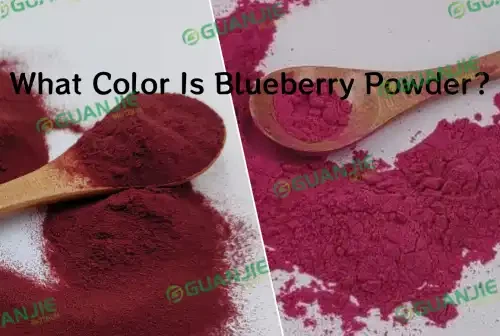
Pure blueberry powder is generally a deep purple to dark blue or even blue-violet hue. The exact shade depends on several factors, including the blueberry variety, ripeness, processing method, and storage conditions. For instance, wild blueberries tend to yield a darker powder compared to cultivated varieties due to higher concentrations of anthocyanins, the pigments responsible for their characteristic color. These anthocyanins are natural water-soluble compounds that belong to the flavonoid class and are highly sensitive to pH, temperature, and light exposure.
Natural Pigments and Color
• Anthocyanins Determine Blueberry Powder Color
The color of pure blueberry powder is primarily influenced by the type, concentration, and stability of anthocyanins, which are water-soluble flavonoid pigments responsible for the blue, purple, and red hues in many fruits and vegetables. In blueberries, key anthocyanins include delphinidin, cyanidin, petunidin, peonidin, and malvidin. These compounds not only give fresh blueberries their signature blue-violet color but also directly affect the appearance of the powder produced from them. Anthocyanin levels are sensitive to factors such as pH, light, temperature, and storage conditions, all of which can impact pigment stability and, consequently, the visual quality of blueberry powder.
• Influence of Ripeness and Processing
The final color of natural blueberry powder also depends on the ripeness of the berries at harvest and the processing method used. Fully ripe blueberries generally yield a darker, more intense powder, while less ripe berries produce lighter or muted hues. Additionally, freeze-drying and spray-drying can slightly alter color intensity, with freeze-dried powders often retaining the deepest, most natural blue-violet tones.
Processing Methods and Their Impact on Color
The production method used to convert blueberries into powder has a significant influence on color retention, stability, and appearance. The two primary techniques used in the industry are freeze-drying and spray-drying, both of which are employed by Guanjie Biotech, a leading bulk blueberry powder supplier.
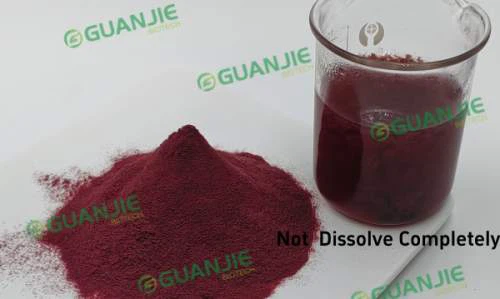
• Freeze-Drying Technology
Freeze-drying is a method that involves freezing the blueberries and then removing water content under low pressure through sublimation. This method is widely regarded as the gold standard for preserving the natural color, flavor, and bioactive compounds of blueberries.
Freeze-dried blueberry powder typically retains a vivid, natural blue-violet color, often described as "deep purple" or "dark indigo." Because freeze-drying minimizes heat exposure, the anthocyanins and other pigments remain stable, resulting in a natural blueberry powder that closely resembles the color of fresh blueberries. Additionally, freeze-dried powders usually exhibit a fine, fluffy texture, which enhances solubility and dispersibility in beverages and other formulations.
• Spray-Drying Technology
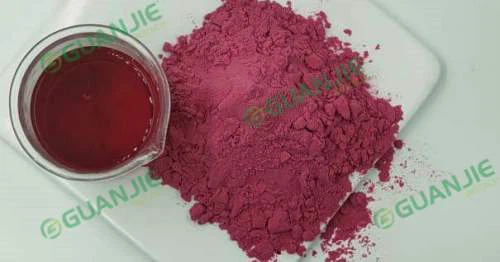
Spray-drying is another common method used to produce bulk blueberry powder at scale. In this process, blueberry juice or puree is atomized into a hot drying chamber, rapidly removing water content to form a fine powder. Spray-dried blueberry powder may have a slightly lighter color compared to freeze-dried powder due to the higher heat exposure, which can cause minor degradation of anthocyanins. However, the process is efficient, cost-effective, and ideal for large-scale production.
Spray-dried blueberry powder from Guanjie Biotech maintains a vibrant blue-purple hue, though it may lean slightly toward reddish-purple compared to freeze-dried versions. Manufacturers often add natural carriers, such as maltodextrin, to improve flow properties, which can slightly dilute the color intensity.
Factors Affecting Color Stability
Several factors beyond the processing method can affect the color of natural blueberry powder:
• pH Sensitivity:
Anthocyanins are highly pH-sensitive. In acidic conditions, blueberry powder tends to appear more red-purple, while in neutral or alkaline environments, it may turn blue-green or brown. This property is crucial for formulators who need consistent color in beverages, gummies, or other functional foods.
• Exposure to Light and Oxygen:
Anthocyanins are susceptible to photodegradation and oxidation. Improper storage of pure blueberry powder-especially in transparent packaging or under prolonged light exposure-can lead to fading or browning of the powder over time.
• Temperature and Moisture:
High temperatures or moisture levels can accelerate anthocyanin degradation. Freeze-dried powders are generally more stable due to their low moisture content, whereas spray-dried powders require careful handling to maintain color integrity.
• Varietal Differences:
Different blueberry cultivars produce varying pigment profiles. Northern highbush blueberries (Vaccinium corymbosum) often yield a deeper, more intense color, while rabbiteye blueberries (Vaccinium virgatum) may produce powders with slightly lighter tones.
What Is Blueberry Powder Used For?
The visual appeal of blueberry powder is one of its strongest selling points. A high-quality blueberry powder from Guanjie Biotech typically presents as a fine, free-flowing powder with a uniform deep blue to purple coloration.
• Beverages:
Pure Blueberry powder is frequently used in smoothies, juices, teas, and functional drinks. Its natural color provides an attractive, visually appealing appearance, while its rich anthocyanins contribute to the antioxidant content, supporting the growing consumer demand for health-oriented beverages.
• Confectionery:
Blueberry powder adds both flavor and color to gummies, chocolates, and candies. Unlike artificial colorants, blueberry bulk powder delivers a natural, appealing hue while complementing the sweet profile of these treats. Its inclusion in confections helps create a premium, health-conscious image for the product.
• Bakery Products:
Pure Blueberry powder can be incorporated into muffins, cakes, pastries, and other baked goods. It imparts natural color without the need for synthetic dyes and can subtly enhance flavor, offering bakers a functional and aesthetically pleasing ingredient.
• Nutraceuticals and Supplements:
Nutraceuticals and dietary supplements also benefit from pure blueberry powder. Its color often serves as an indicator of anthocyanin content and antioxidant potency, making it ideal for capsules, tablets, and powdered supplements. Consumers increasingly value products that combine efficacy with natural origins, and blueberry powder delivers both.
• Cosmetics and Skincare:
Natural blueberry powder is gaining traction as a natural additive in masks, creams, and exfoliating scrubs. Beyond imparting a delicate violet-blue tone, its antioxidant properties help protect the skin from free radicals, enhancing both the functional and marketing appeal of skincare formulations.
When selecting pure blueberry powder for commercial or industrial use, the color is a key indicator of quality and processing integrity. Guanjie Biotech emphasizes quality control in both freeze-dried and spray-dried blueberry powders. Parameters such as moisture content, particle size, anthocyanin content, and color consistency are carefully monitored.
Color can also serve as a marker of bioactive compound retention. Darker, more vibrant powders generally indicate higher anthocyanin content and antioxidant activity. For example, a deep purple powder often corresponds to higher levels of malvidin, delphinidin, and cyanidin glycosides, which are responsible not only for color but also for health-promoting properties, including cardiovascular support, anti-inflammatory activity, and neuroprotection.

Conclusion
In conclusion, the color of natural blueberry powder ranges from vibrant blue to deep purple, largely determined by anthocyanin content, berry variety, and processing method. Freeze-dried blueberry powder maintains the most intense and natural coloration due to minimal heat exposure, while spray-dried powders provide a cost-effective, scalable solution with slightly lighter tones. Both types offer excellent nutritional and functional benefits, with applications across food, beverage, nutraceutical, and cosmetic industries. Guanjie Biotech has focused on bulk bluberry powder products. Our natural blueberry powder products use freeze-driied and spray-dried techonology. High-quality and competitive price. Welcome to enquire with us at info@gybiotech.com.
References
[1] Ronald L. Prior, Guohua Cao, Amy Martin, & Elaine Sofic. (1998). Antioxidant capacity as influenced by total phenolic and anthocyanin content, maturity, and variety of blueberries (Vaccinium spp.). Journal of Agricultural and Food Chemistry, 46(7), 2686–2693.
[2] Mary Ann Lila. (2004). Anthocyanins and human health: An in vitro investigative approach. Journal of Biomedicine and Biotechnology, 2004(5), 306–313.
[3] Mónica Giusti, & Ronald E. Wrolstad. (2001). Characterization and measurement of anthocyanins by UV-visible spectroscopy. Current Protocols in Food Analytical Chemistry, F1.2.1–F1.2.13.
[4] Lloyd R. Howard, Charles R. Brownmiller, & Rebecca L. Prior. (2012). Improved stability of blueberry anthocyanins during storage and processing. Journal of Agricultural and Food Chemistry, 60(33), 8244–8251.
[5] Elhadi M. Yahia. (2019). Postharvest Technology of Perishable Horticultural Commodities. Woodhead Publishing. (Chapters discussing pigment stability and fruit processing).
[6] Francis J. Francis. (1989). Food colorants: Anthocyanins. Critical Reviews in Food Science and Nutrition, 28(4), 273–314.
[7] Tomas M. Ceballos, & Carlos A. Giraldo. (2012). Effect of spray-drying and freeze-drying on anthocyanins and antioxidant capacity of berry powders. Food Research International, 46(1), 384–390.
[8] Robert E. Wrolstad. (2005). Handbook of Food Analytical Chemistry: Pigments, Colorants, Flavors, Texture, and Bioactive Food Components. Wiley-Interscience.
[9] United States Department of Agriculture. (2020). Blueberries: Nutritional value and phytochemical composition. USDA Agricultural Research Service.


