

Natural spirulina powder is from simple blue-green algae, which stands out for its dense nutritional profile and a growing body of scientific evidence. But is spirulina truly anti-aging? The answer is not a simple yes or no, but a nuanced exploration of how its potent biochemical composition directly counteracts the fundamental mechanisms of aging at a cellular level.
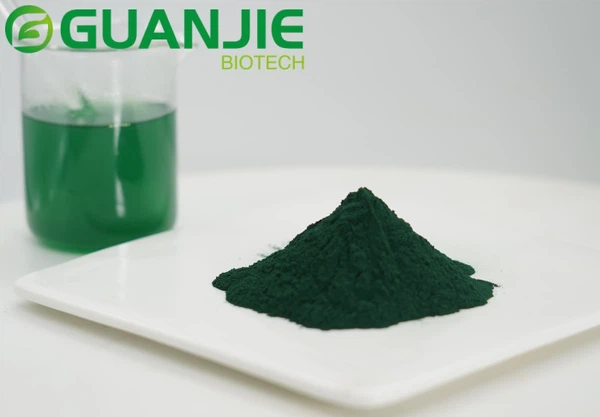
Is Spirulina Anti-aging?
Spirulina (Arthrospira platensis) is a cyanobacterium that has been consumed for centuries by various cultures. Its resurgence as a modern "superfood" is backed by its astounding nutritional density. It is approximately 60-70% complete protein by dry weight, containing all essential amino acids. Natural spirulina powder is rich in B vitamins (including bioavailable B12), vitamin E, and minerals like iron, magnesium, and potassium. However, its true anti-aging power lies in its unique bioactive compounds.
Phycocyanin
Phycocyanin is the blue pigment that gives spirulina its characteristic color and constitutes up to 20% of its dry weight. It is far more than just a colorant. Natural spirulina powder is a potent biliprotein with remarkable biological activities.
• Potent Antioxidant:
Phycocyanin's primary anti-aging mechanism is its exceptional ability to scavenge free radicals. It neutralizes peroxyl, hydroxyl, and peroxynitrite radicals, some of the most damaging ROS. Studies have shown its antioxidant power to be significantly stronger than many common antioxidants. By directly quenching these radicals, phycocyanin protects cellular structures from oxidative damage, slowing the primary driver of aging.
• Anti-inflammatory Powerhouse:
Phycocyanin inhibits the activity of a key enzyme in the inflammatory pathway: cyclooxygenase-2 (COX-2). It also suppresses the production of pro-inflammatory signaling molecules like tumor necrosis factor-alpha (TNF-α) and interleukin-6 (IL-6). This dual action on oxidation and inflammation directly counteracts the "inflamm-aging" process, reducing the risk of chronic diseases.
• Neuroprotection:
Its antioxidant and anti-inflammatory properties extend to the brain. Research indicates that Natural spirulina powder phycocyanin can protect neurons from oxidative stress and amyloid-beta toxicity, which is implicated in Alzheimer's disease, suggesting a role in preserving cognitive function with age.
A Symphony of Antioxidants
While phycocyanin is the star, spirulina contains a chorus of other antioxidants that work synergistically.
• Beta-Carotene:
Natural spirulina powder is a rich source of mixed carotenoids, including beta-carotene. This provitamin A compound is a powerful quencher of singlet oxygen, a type of free radical particularly damaging to skin health. Adequate carotenoid intake is associated with improved skin elasticity, photoprotection, and a reduced appearance of wrinkles.
• Zeaxanthin:
This carotenoid is crucial for eye health. It accumulates in the macula of the retina, where it filters harmful blue light and acts as an antioxidant. Age-related macular degeneration (AMD) is a leading cause of blindness, and diets high in zeaxanthin are strongly linked to a reduced risk.
• Superoxide Dismutase (SOD) and Other Enzymes:
Natural spirulina powder contains endogenous antioxidant enzymes like SOD, which is the body's first line of defense against the superoxide radical. Supplementing with these enzymes may help bolster the body's natural defense systems.

The Unique Polysaccharides
Natural spirulina powder contains special polysaccharides, such as calcium spirulan (Ca-SP), which are long-chain carbohydrates that modulate the immune system. Unlike stimulants that can over-activate immunity, spirulina's polysaccharides are considered immunomodulators. They enhance the immune response when it is weak (e.g., fighting infection or cancer) and calm it down when it is overactive (e.g., in chronic inflammation or autoimmune conditions). This ability to bring balance to the immune system is critical for healthy aging, as an imbalanced immune system is less effective at fighting pathogens and more likely to cause autoimmune issues.
Gamma-Linolenic Acid (GLA)
Spirulina is one of the few plant sources of GLA, an omega-6 fatty acid with strong anti-inflammatory properties. While excessive omega-6 is often pro-inflammatory, GLA is converted in the body to dihomo-gamma-linolenic acid (DGLA), a precursor to anti-inflammatory eicosanoids. This helps counterbalance the pro-inflammatory effects of other fats and supports skin health by maintaining moisture and barrier function.
Chlorophyll
The high chlorophyll content in spirulina (giving it its green hue) has been associated with "blood-building" properties due to its similarity to the heme molecule in human hemoglobin. More relevant to aging is chlorophyll's ability to bind to and help eliminate toxins and heavy metals from the body-a process called chelation. Reducing the body's toxic burden can lessen oxidative stress and inflammation, thereby slowing cellular damage.
Evidence from Research
The biochemical profile of spirulina translates into tangible benefits for preventing and managing conditions associated with aging.
• Cardiovascular Health:
Aging is a major risk factor for heart disease. Multiple human studies have shown that spirulina supplementation can significantly reduce "bad" LDL cholesterol and triglyceride levels while raising "good" HDL cholesterol. It also helps lower blood pressure and improve vascular function through its anti-inflammatory and antioxidant actions, which prevent the oxidation of LDL cholesterol-a key step in the formation of arterial plaques.
• Cognitive Function:
The brain is highly susceptible to oxidative stress due to its high oxygen consumption and lipid-rich content. Animal studies have demonstrated that spirulina can reverse age-related declines in memory and learning. It reduces oxidative damage in brain tissue and inhibits the accumulation of amyloid plaques. Human studies, though fewer, are promising, showing improved memory and mood in older adults.
• Skin Health:
The skin is the most visible organ to show signs of aging. The antioxidants in spirulina, particularly beta-carotene and phycocyanin, protect skin cells from UV radiation damage, reduce inflammation from sun exposure, and promote greater elasticity and moisture retention. Topical spirulina extracts are also used in cosmetics for these reasons.
• Immune Function in the Elderly:
Immunosenescence, the gradual deterioration of the immune system with age, leaves the elderly more vulnerable to infections. Clinical trials have shown that spirulina supplementation can enhance immune markers in older individuals, leading to improved immune response.
• Cancer Prevention:
While not a cure, the antioxidant and immunomodulatory properties of spirulina suggest a chemopreventive role. By protecting DNA from damage and enhancing the body's natural killer (NK) cell activity-a type of immune cell that seeks and destroys cancerous cells-spirulina may help reduce cancer risk.
Is Spirulina Safe?
For natural spirulina powder to be effective, quality is paramount. Contaminated spirulina can contain microcystins (toxins from other blue-green algae) or heavy metals. Therefore, sourcing from a reputable supplier that provides third-party lab testing for purity and potency is non-negotiable.
Guanjie Biotech is a bulk spirulina powder supplier that operates within strict quality control frameworks, ensuring our product is grown in controlled environments, harvested properly, and tested for contaminants. This guarantees a high-quality, safe, and potent product that retains its bioactive compounds.
A typical anti-aging or general wellness dosage ranges from 1 to 3 grams per day for maintenance, while studies showing significant effects on cholesterol or immune function often use doses between 3 to 10 grams of natural spirulina powder daily. It is always advisable to start with a small dose and gradually increase while consulting with a healthcare professional, especially for those with autoimmune conditions or on blood-thinning medication.
Conclusion:
So, is spirulina anti-aging? Based on the extensive biochemical and clinical evidence, the answer is a resounding yes, it possesses significant anti-aging properties.
It is crucial to frame this correctly: natural spirulina powder is not a magical elixir that will stop the clock. Rather, it is a powerful, nutrient-dense functional food that directly and simultaneously targets the root causes of cellular aging. It is a multi-system tonic that as following.
• Neutralizes free radicals with an unparalleled array of antioxidants.
• Quiets chronic inflammation through multiple pathways.
• Strengthens and balances the immune system.
• Protects the heart, brain, and skin from degenerative processes.
In the context of a healthy lifestyle-a balanced diet, regular exercise, adequate sleep, and stress management-100 spirulina powder serves as a potent adjunct, flooding the body with the necessary compounds to repair damage, reduce inflammation, and maintain optimal function. By mitigating the molecular drivers of aging, consistent consumption of high-quality natural spirulina powder can indeed help promote longevity. If you need pure spirulina powder, welcome to enquire with us at info@gybiotech.com.
References
[1] Deng, R., & Chow, T. J. (2010). Hypolipidemic, Antioxidant, and Antiinflammatory Activities of Microalgae Spirulina. Cardiovascular Therapeutics, 28(4), e33–e45.
[2] Karkos, P. D., Leong, S. C., Karkos, C. D., Sivaji, N., & Assimakopoulos, D. A. (2011). Spirulina in Clinical Practice: Evidence-Based Human Applications. Evidence-Based Complementary and Alternative Medicine, 2011, 531053.
[3] McCarty, M. F. (2007). Clinical Potential of Spirulina as a Source of Phycocyanobilin. Journal of Medicinal Food, 10(4), 566–570.
[4] Mitra, S., Siddiqui, W. A., & Khandelwal, S. (2015). C-Phycocyanin protects against acute tributyltin chloride neurotoxicity by modulating glial cell activity along with its anti-oxidant and anti-inflammatory property: A comparative efficacy with melatonin. Pharmacology, Biochemistry and Behavior, 132, 63-75.
[5] Park, H. J., Lee, Y. J., Ryu, H. K., Kim, M. H., Chung, H. W., & Kim, W. Y. (2008). A randomized double-blind, placebo-controlled study to establish the effects of spirulina in elderly Koreans. Annals of Nutrition and Metabolism, 52(4), 322-328.
[6] Romay, C., Armesto, J., Remirez, D., González, R., Ledon, N., & García, I. (1998). Antioxidant and anti-inflammatory properties of C-phycocyanin from blue-green algae. Inflammation Research, 47(1), 36–41.
[7] Shastri, D., Kumar, M., & Kumar, A. (1999). Modulation of gamma-radiation-induced induction of DNA strand breaks by phycocyanin. Biochemistry and Molecular Biology International, 48(4), 787–794.


