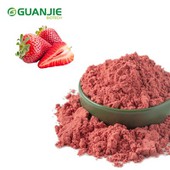
Whether dried ripe mango powder is sweet depends on how it is processed and the amount of sugar it contains. Generally, mango powder is made from ripe mangoes that are dehydrated and ground. Mangoes are a tropical fruit with a high sugar content, so their powder typically has some sweetness. However, the level of sweetness is affected by many factors. Below, I will elaborate on the source of mango powder's sweetness, the factors that influence the production process, and how sweetness varies in different applications.

Natural Sweetness Source
Mangoes are common fruits in tropical areas, and their sweetness mainly comes from natural sugars, including glucose, fructose, and sucrose. Different dried ripe mango powder varieties have different levels of sweetness, depending on the fruit's maturity, the planting area, and the climate. Ripe mangoes have higher sugar content, which makes them taste sweeter. Therefore, mango powder typically has a certain sweetness, especially when made from sweet mango varieties.
Production Process
The production of dried ripe mango powder usually involves peeling and pitting ripe mangoes, then concentrating and drying them. The two most common drying methods are freeze-drying and spray drying:
Freeze-drying mango powder:
The water is removed by freezing, which preserves the natural flavor and nutrients of mangoes, including sugars, vitamins, and minerals. This method retains the natural sweetness and aroma of mangoes, so freeze-dried mango powder is typically sweeter.
Spray-drying mango powder:
Mango concentrate is sprayed into a mist, and the water evaporates quickly using hot air. Spray-dried mango powder is usually finer, but due to the high temperature treatment, some sugars may change, resulting in a slight reduction in sweetness.
During the production process, some manufacturers may add sugar, sweeteners, or other flavoring ingredients to enhance the product's sweetness. Guanjie Biotech uses freeze-drying and spray-drying methods to produce 100% natural blueberry powder with no additives.
Factors Affecting Sweetness
Although dried ripe mango powder is generally sweet, its sweetness is influenced by several factors.
Mango Variety:
Different mango varieties have different sugar content. Some varieties are naturally sweeter, while others are more sour. For example, India's "Kate" mango is known for its sweetness, while Thailand's "Green Mango" is more sour. Therefore, the sweetness of mango powder will vary depending on the variety used.
Maturity:
The maturity of mangoes plays a significant role in their sugar content. Unripe mangoes are more sour and contain less sweetness, while fully ripe mangoes are rich in sugars and taste sweeter. Thus, the maturity of the mangoes used is a crucial factor in the production of mango powder.
Processing Technology:
Different processing technologies affect the final sweetness of the powder. For instance, freeze-drying better preserves the natural sweetness of mangoes, while hot air drying can cause some sugars to volatilize. Additionally, spray-drying better retains the original flavor of mango juice, intensifying the sweetness of the powder.

Degree of Concentration:
The sweetness of dried ripe mango powder is also related to its concentration. Highly concentrated mango powder is sweeter than a lower-concentration version because the concentration process removes water, making the sugars more concentrated. When buying mango powder, consumers can choose products that suit their taste preferences based on concentration and formulation.
Sugar Content:
In the food industry, sweetness is often measured by sugar content. Mango fruit powder usually has a sugar content of more than 50%, depending on the mango variety and processing method. Typically, natural mango powder is mildly sweet, but if additional sugar or sweeteners are added, the sweetness will be significantly higher.
Storage Conditions:
The storage environment of dried ripe mango powder also affects its sweetness. Prolonged exposure to humidity and high temperatures can cause changes in the sugar content, reducing sweetness. Additionally, the shelf life of mango powder affects its taste, with expired or improperly stored powder potentially losing some sweetness.
Sweetness in Applications
The natural sweetness of dried ripe mango powder makes it a popular ingredient in various foods and beverages. Here are some common applications:

Beverages: Bulk mango powder is commonly used in drinks such as juices, milkshakes, smoothies, and more. Its natural sweetness reduces the need for added sugar, making the beverage healthier. Additionally, the unique flavor of mango makes it a key ingredient in many tropical drinks.
Candy and Snacks: Mango powder is often used in candy and snack production to enhance flavor and sweetness. Many fruit juice gummies, mango-flavored candies, and preserved fruits use mango powder to boost sweetness and taste.
Baked Goods: Mango fruit powder is also widely used in baked goods like cakes, cookies, and bread. The sweetness of mango allows for less sugar to be added, while also imparting a unique tropical flavor and enhancing the product's overall flavor profile.
Health Foods: Since dried ripe mango powder is rich in vitamin C and dietary fiber, it is also used in health food products. Mango powder is added to various nutritional supplements and food additives to enhance their nutritional value and provide natural sweetness.
In general, mango powder usually has a noticeable sweetness, which comes from the natural sugars found in mangoes. The production process, mango variety, maturity, and the addition of any sweeteners will all affect the final sweetness of the powder. Mango powder is widely used in beverages, snacks, baked goods, and health foods due to its natural sweetness and distinctive flavor.
Application Fields and Sweetness Positioning
Dried ripe mango powder has a strong sweetness and fragrance, making it suitable for use in a variety of industries. Different fields have different requirements for the sweetness of natural mango powder.
|
Application areas |
Sweetness requirements |
Description |
|
Beverage industry |
Medium or high sweetness |
Mostly used in juice, milk tea, sports drinks, etc. |
|
Bakery products |
Moderate sweetness, strong flavor |
Such as cakes, biscuits, sandwiches, etc. |
|
Candy and jelly |
High sweetness |
Enhance the taste and appeal to children |
|
Health food |
Controlled or low sugar, light sweetness |
Emphasis on nutrition rather than taste stimulation |
|
Infant food |
Low sugar, natural light sweetness |
Equal emphasis on safety and nutrition |
|
Ice cream and dairy products |
Medium sweetness |
Balance the feeling of ice and sweetness |
Variations in Sweetness Across the Market
The sweetness of dried ripe mango powder may vary between brands and manufacturers. Some manufacturers may produce mango powder with no added sugar or low sugar content, resulting in a less sweet product suitable for consumers who prefer less sweetness. Others may add additional sweeteners, such as glucose, fructose, honey, or sugar substitutes, to create a sweeter product that caters to consumers who enjoy a more intense sweetness.
Additionally, some bulk mango powder products may target specific consumer groups, such as those interested in low-sugar or sugar-free foods, by offering pure mango powder with no added sugar. These products have a lighter sweetness, potentially closer to the natural flavor of the fruit. Guanjie Biotech uses freeze-drying and spray-drying methods, and our pure mango powder contains no preservatives, offering a natural and healthy option. Welcome to enquiry at info@gybiotech.com..