

Natural carrot powder is easy to store, carry and use. Therefore, it is widely used in many fields such as food, health products, beverages and cosmetics. As people pay more attention to healthy eating, the demand for carrot powder continues to increase. However, both manufacturers and consumers face a common problem: how to judge whether natural carrot powder is spoiled? Spoiled carrot powder will not only affect its nutritional value and taste, but also bring potential risks to human health. Therefore, it is very important to master scientific and effective methods for identifying spoilage.
Composition & Characteristics
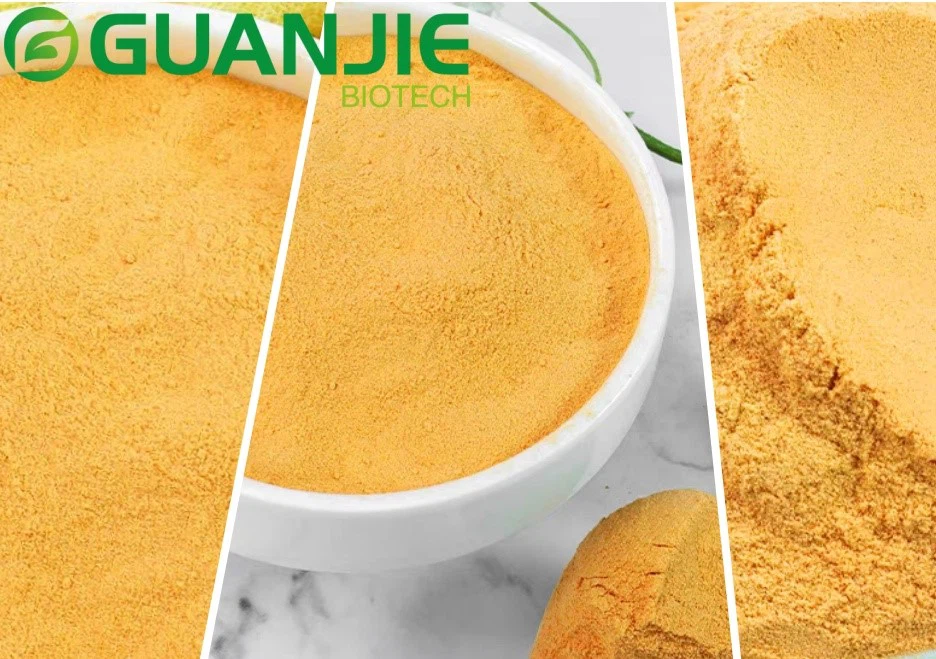
Carrot powder is rich in carotene (especially β-carotene), dietary fiber, vitamins (such as vitamin A, vitamin C), minerals and a variety of phytochemicals. It is an orange-yellow or orange-red powder with a natural plant aroma.

The carotene in natural carrot powder is a fat-soluble antioxidant. However, it is sensitive to light, heat and oxygen, and is prone to oxidation and degradation, resulting in a decrease in quality. Therefore, the deterioration of carrot powder is mostly related to the oxidative denaturation of its chemical composition, microbial contamination and changes in physical properties.
The main manifestations of spoilage are:
Changes in physical properties (such as caking, color change); degradation of chemical components (such as β-carotene oxidation); microbial contamination (such as mold growth); abnormal odor (rancid, musty)
How To Tell If Carrots Have Gone Bad?
Observe Appearance
Appearance is the most intuitive indicator for judging whether natural carrot powder has deteriorated. Common signs to observe include the following:
•Color Change
High-quality carrot powder should be orange-yellow to dark orange, with a bright and uniform color. If the powder becomes darker, black, gray, or partially white, it may indicate oxidation, mold growth, or moisture absorption and clumping.
Oxidative degradation of β-carotene can lead to darkening or browning.
Mold growth may cause visible mold spots, which can appear grayish white, green, or black.
Moisture absorption and clumping may result in the formation of white salt-like crystals on the surface of the powder.
•Clumping (Agglomeration)
High-quality carrot powder should be loose and finely ground. Improper storage or exposure to moisture can cause the powder to absorb water and clump together. This affects solubility and taste, and the clumped areas can become breeding grounds for microorganisms.
•Presence of Foreign Matter
Deteriorated natural carrot powder may contain foreign matter such as insect eggs, insect bodies, or other impurities. This suggests that the storage environment is poor and that sanitary conditions do not meet acceptable standards.
Observe Smell & Taste
The smell and taste of natural carrot powder are important sensory indicators to distinguish its freshness.
•Normal smell
Fresh carrot powder has a natural sweet fragrance and a light carrot fragrance, and should not have a pungent or strange smell.
•Abnormal smell
Deteriorated carrot powder may produce the following abnormal smells:
Rancid smell: Oxidation of oil produces a sour smell, often accompanied by a pungent smell.
Moldy smell: Mold growth causes moldy smell, smells damp and smelly.
Corrupted smell: If it emits a rotten smell, it means it is seriously deteriorated.
Punchy chemical smell: It may produce a strange smell due to the degradation of chemical substances.
•Abnormal taste
Normal carrot powder has a natural sweet taste. If it tastes bitter, sour, pungent or other strange smells, it means it has deteriorated and cannot be eaten.
Observe Physical and Chemical Index
The deterioration of natural carrot powder can be more accurately assessed using professional physical and chemical testing methods.
•Moisture Content Detection
The moisture content of pure carrot powder is typically controlled below 5%, as low moisture helps extend shelf life. If the moisture content is too high, the powder is prone to moisture absorption and agglomeration, which can promote microbial growth. Moisture content is measured using the drying method, a moisture meter, or similar techniques. If the level exceeds the standard, deterioration may occur.
•pH Value Detection
Carrot powder is usually neutral or slightly acidic. A significant drop in pH (increased acidity) may indicate the onset of rancidity.
•Chroma Measurement
A colorimeter is used to detect color changes, especially numerical changes in gloss and hue, which can reflect the degree of oxidation and deterioration of the carrot powder.
•β-Carotene Content Detection
β-carotene is the primary active component in bulk carrot powder. Its content is measured using high-performance liquid chromatography (HPLC). A significant decrease in β-carotene indicates oxidation and degradation of the powder.
•Oxidation Value and Peroxide Value
Natural Carrot powder contains fat-soluble components. When fats oxidize, the peroxide value increases, indicating the powder has entered the rancidity stage.
Microbiological Testing Method
The sanitary index of pure carrot powder is directly related to its safety. Spoiled carrot powder is often associated with microbial contamination. The testing includes the following:
•Mold and Yeast Count
Mold is the main microorganism responsible for spoilage and a musty odor in the powder. Measuring the mold count helps determine whether contamination has occurred.
•Total Bacterial Count
Excessive bacteria can lead to spoilage and pose a food safety risk.
•Pathogenic Bacteria Detection
Detection of pathogens such as Salmonella and Escherichia coli ensures the powder is hygienic and meets safety standards.
Storage Environment & Packaging Assessment
The deterioration of pure carrot powder is closely related to its storage conditions. The following aspects are important indicators for assessing spoilage:
•Temperature and Humidity
High temperatures and humidity can cause the powder to become damp, clump, and support microbial growth. It is recommended to store the powder at temperatures below 25°C and relative humidity below 60%.
•Light Exposure
β-Carotene is easily degraded by light, leading to discoloration, nutrient loss, and an increased risk of spoilage.
•Packaging Integrity
Damaged packaging or poor sealing can allow moisture and contaminants to enter, accelerating deterioration. Packaging methods such as aluminum foil bags with good sealing, vacuum packaging, or nitrogen flushing are effective in preventing spoilage.
Common Causes of Deterioration
•Oxidation Reaction:
Oxygen in the air reacts with fat-soluble components in natural carrot powder (such as β-carotene), leading to darkening of the color, nutrient loss, and the development of off-odors.
•Moisture Absorption and Agglomeration:
Exposure to a humid environment causes the powder to absorb moisture and clump together, negatively affecting its quality and taste.
•Microbial Contamination:
An unclean storage environment or excessive moisture can promote the growth of mold and bacteria, resulting in moldy odors and the production of toxins.
•Light Damage:
Prolonged exposure to light can degrade active ingredients, compromising both nutritional value and color.
•Improper Packaging:
Inappropriate selection of packaging materials, poor sealing, or failure to block oxygen and moisture can accelerate product deterioration.
As a professional natural carrot powder manufacturer, Guanjie Biotech is equipped with advanced testing instruments and a strict quality control system. The company's deterioration detection process mainly includes:
•Sensory Inspection:
Professional quality inspectors perform initial screening of the carrot juice powder based on its appearance, odor, and taste.
•Moisture Detection:
A specialized moisture meter is used to monitor the moisture content of the product in real time.
•Physical and Chemical Testing:
Instruments such as colorimeters and HPLC are used to measure β-carotene content and oxidation levels.
•Microbiological Testing:
Under national food safety standards, tests are conducted for mold, bacteria, and pathogenic microorganisms.
•Packaging Testing:
The integrity and sealing performance of packaging materials are inspected to ensure the natural carrot powder product's safety during transportation and storage.

How to Store Carrot Powder?
To maintain the quality of natural carrot powder bulk, extend its shelf life, and prevent deterioration, both consumers and producers must pay close attention to proper storage and handling. Guanjie Biotech, a carrot powder manufacturer, follows the storage methods outlined below.
Storage Environment Requirements
We use a dedicated warehouse to store our dried carrot powder in a cool, dry, and well-ventilated environment. It is important to avoid exposure to moisture, high temperatures, and direct sunlight, as these factors accelerate oxidation and deterioration. We use aluminum foil and vacuum packaging to enhance preservation. In practice, sealed bags, airtight containers, and additional measures such as desiccants or vacuum sealing can effectively prevent air and moisture infiltration, thus extending the carrot root powder's shelf life. The ideal storage temperature is room temperature or slightly below. Avoid placing the product near heat sources or windows.
Precautions During Use
Always use dry and clean utensils when handling natural carrot powder. Do not touch the powder with wet hands or use water-containing tools, as moisture can lead to clumping or mold. Once opened, the carrot flour should be used as soon as possible to prevent prolonged exposure to air. If not used all at once, it is recommended to reseal the packaging tightly after each use to minimize contact with air.
Regular Product Inspection
During storage, regularly check the color, smell, and texture of the natural carrot powder. If the powder appears darker, emits an unusual odor, feels damp, or forms clumps, it may have absorbed moisture or undergone oxidation. In such cases, discontinue use immediately.
Whether pure carrot powder has spoiled can be comprehensively determined by evaluating its appearance, smell, taste, physical and chemical indicators, microbial indicators, as well as its packaging and storage conditions. In particular, assessing β-carotene content, color changes, and microbial indicators is key to scientifically and accurately judging spoilage. By adopting scientific and appropriate storage and usage methods, the quality and safety of carrot powder can be maximized.
Guanjie Biotech is a professional natural carrot powder manufacturer, committed to quality and safety. We use advanced production and testing processes to ensure that each batch meets high standards, helping customers achieve optimal usage experience and health benefits.
If you would like to learn more about quality testing and storage methods for carrot powder, or if you need a reliable supply of high-quality carrot powder, please contact Guanjie Biotech.


