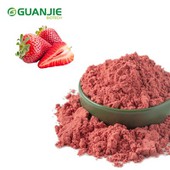
Guava fruit is an exotic and nutrient-dense food that can provide many potential health benefits. Guava powder is made by drying and grinding guava fruit into a fine powder. This powder can be used as a nutritional supplement or added to smoothies, desserts, and other recipes. Guava powder provides a concentrated dose of vitamins, minerals, fiber, and antioxidants. In this article, we will explore how to make homemade guava fruit powder with simple ingredients and techniques.
Selecting and Preparing Guava Fruit
Choosing ripe, fresh guava fruit is important when making guava powder. Look for guavas that are soft to the touch with green to yellow skin. Avoid fruit that is extremely hard or has brown spots. The flesh should give slightly when pressed but not be overly soft. Ripe guavas will have a sweet, musky aroma. Once you have ripe guavas, wash them thoroughly under cool running water. Use a vegetable brush to gently scrub the skin. Check for any bruises or damaged spots and cut those out. Then, use a paring knife to peel the skin off the guava. Peeling helps remove any pesticide residue and results in a smoother powder. Slice off the ends, and cut the guava into thin slices, removing any hard seeds in the center. The seeds can add a gritty texture which some people wish to avoid. Lay the guava slices out in a single layer on a baking sheet or dehydrator tray. Allow space between each slice for proper air circulation.
Drying Guava Fruit
There are two easy methods for drying guava fruit - using a food dehydrator or oven. A food dehydrator usually provides the best results, drying the guava thoroughly without cooking it. Arrange the prepared guava slices in single layers on dehydrator trays, leaving space between the slices. Dehydrate at 135°F for 6-8 hours, checking periodically, until the fruit is dried. Guava has high water content, so drying times can vary based on the ripeness of the fruit. To test if slices are fully dried, there should be no moisture when you pinch a slice. In the oven, arrange the guava slices on baking trays lined with parchment paper. Bake the guava at the lowest temperature, between 125°F to 150°F, for several hours. Prop the oven door open slightly to allow moisture to escape. Flip the slices over and rotate trays periodically for even drying. Drying times in the oven may take 12-18 hours due to lower consistent heat. Be patient, as slow drying retains more nutrients than quick dehydration. The guava slices are fully dried when no moisture remains and slices are brittle.
Grinding Guava Fruit into Powder
A blender, food processor, or coffee grinder all work well for grinding the dried guava slices into a fine powder. For blenders and food processors, work in small batches for best results. Place a few slices into the grinder at a time and pulse on high until a smooth powder forms. Avoid over-processing into clumps. Let the machine rest between batches to avoid overheating the powders. Coffee grinders are suitable for grinding small batches of guava slices into a fine powder. Sift the powder through a fine mesh strainer or sieve after grinding to remove any remaining fibrous pieces. The fine straining results in a smooth guava powder. Transfer the freshly ground guava powder into an airtight container immediately to retain freshness and nutrients. Glass jars or resealable plastic bags both work well for storage.

Storing Guava Fruit Powder
Properly stored, homemade guava powder can retain optimal flavor and nutritional value for 4-6 months. Keep guava powder in an airtight container in a cool, dry place away from direct sunlight and heat sources. Exposure to light, air, and heat can degrade guava's sensitive vitamin C and antioxidants. The refrigerator or freezer help preservation for even longer storage. Make sure all containers are clearly labeled with the contents and date. Over time, guava powder may lose potency and flavor. Use your senses to check for freshness and discard if the powder has an off smell, appearance, or taste. For best nutrition, aim to use guava powder within a few months.
Guava Powder Nutrition Facts
One of the main benefits of guava powder is its dense nutritional profile. Guava powder is high in vitamin C, providing over 3 times the daily recommended amount in just 2 tablespoons. It also contains vitamin A, folate, potassium, fiber, and beneficial plant compounds like carotenoids and polyphenols. The high fiber content helps regulate digestion. The carotenoids lutein and zeaxanthin support eye health, while the polyphenols have antioxidant effects to reduce inflammation. Guava Fruit Powder contains high levels of lycopene, an antioxidant that may promote heart health. Overall, guava powder provides a wide range of vitamins, minerals, and antioxidants known to benefit health.
Health Benefits of Guava Powder

Regularly consuming guava powder may provide many potential health benefits:
- Boosts immunity - The high dose of vitamin C acts as an antioxidant to strengthen the immune system against pathogens. Vitamin C also supports collagen production for skin and wound healing.
- Aids digestion - The dietary fiber in guava powder helps promote regular bowel movements and healthy digestion. The fiber can also help relieve constipation.
- Supports heart health - Guava contains lycopene, quercetin, vitamin C and potassium - nutrients that help control blood pressure and cholesterol levels.
- Anti-inflammatory effects - The polyphenols and carotenoids in guava powder have anti-inflammatory properties that may help reduce inflammation in chronic conditions.
- Regulates blood sugar - Early research indicates compounds in guava may help inhibit enzymes that convert carbohydrates into sugars, aiding blood sugar control.
- Antioxidant protection - Guava is particularly high in antioxidants compared to other fruits. These antioxidants neutralize free radicals to prevent cell damage related to cancer, aging, and brain disease.
Other Considerations and Variations
When making guava powder, consider leaving the skin intact for increased fiber content. The seeds can also be included or strained out depending on preference. Try combining guava powder with other antioxidant-rich dried fruits like mango, papaya, or acai powder for a blended tropical fruit powder. Guava powder adds nutrition and sweetness to smoothie bowls, oatmeal, yogurt, and baked goods. It also makes a unique addition to chia pudding, protein shakes, and homemade energy bars or granola. Spice blends like ginger, cinnamon, turmeric, or cayenne can also complement the flavor of guava powder. Be creative and experiment with adding guava powder to both sweet and savory recipes.
Conclusion
With its unique flavor and concentrated nutrition, homemade guava powder is simple to make and can be easily incorporated into everyday meals and snacks. The methods for selecting fresh guava fruit, proper drying and grinding techniques, and proper storage outlined in this article will help you successfully produce batches of guava powder at home. Adding guava powder to your diet provides antioxidants, vitamin C, fiber, and more to support overall health. Give this versatile and satisfying superfood powder a try soon!
Shaanxi Guanjie Technology Co., Ltd, established in 2003, is a manufacturing enterprise dedicated to the production of high-quality fruit & vegetable Powder. Our company strictly adheres to the requirements of GMP production enterprises throughout the entire process, from raw material planting and collection to processing and production. We also offer customized production, allowing us to meet the unique needs of different customers through options such as pellets or slices. In terms of packaging, we provide diverse choices, including 25kg large barrels, cardboard barrels, and customized small bag packaging. Our products not only meet but also comply with European standards, ensuring their safety and quality. With our commitment to excellence, our Guava Fruit Powder has gained widespread acclaim for its superior quality. For more detailed information about this product or any inquiries, please reach out to our professional team at info@gybiotech.com. We are here to answer your questions and provide the necessary assistance.
References:
1. Doymaz, I. (2007). Drying kinetics of white mulberry. Journal of Food Engineering, 79(1), 341-347.
2. Kee, C.K., Ong, P.K., & Pazilah, I. (2017). Effects of pretreatment and drying methods on antioxidant properties of guava powder. International Journal of Food Properties, 20(sup3), S3336-S3346.
3. Ong, P.K., Acree, T.E., & Lavin, E.H. (1998). Characterization of volatiles in rambutan fruit (Nephelium lappaceum L.). Journal of Agricultural and Food Chemistry, 46(2), 611-615.
4. Rattanathanalerk, M., Chiewchan, N., & Srichumpoung, W. (2005). Effect of thermal processing on the quality loss of pineapple juice. Journal of Food Engineering, 66(2), 259-265.
5. Sablani, S.S., Andrews, P.K., Davies, N.M., Walters, T., Saez, H., Syamaladevi, R.M., & Mohekar, P.R. (2010). Effect of thermal treatments on phytochemicals in conventionally and organically grown berries. Journal of the Science of Food and Agriculture, 90(5), 769-778.
6. USDA FoodData Central. (2019). Guavas, common, raw.
7. Vásquez-Parra, L.D., Granados-Casas, M.D.C., Izquierdo-Pulido, M., & Martínez-Valls, J.F. (2020). Impact of processing on the properties and bioaccessibility of guava fruit (Psidium guajava L.) polyphenols. Food Research International, 127, 108691.