

Short answer is that there's no single universal number. But it's in practice that commercially produced natural chlorella powder stored dry, cool, airtight, and away from light usually keeps acceptable quality and safety for 12–36 months from manufacture. Under ideal industrial drying and packaging, it can remain chemically stable for far longer, while poor storage (heat, moisture, oxygen, light) can reduce potency and safety in weeks to months[6]. The exact shelf life depends on drying method, packaging, water activity, temperature, light exposure, and possible contamination[4][5].

What "Shelf Life" Is Important for Chlorella Powder?
"Shelf life" is shorthand for the period during which a product retains acceptable safety, identity, purity and potency when stored as directed. For foods and supplements, that means:
•Safety - no unacceptable microbial growth, toxins, or dangerous contaminants.
•Quality - color, smell, and texture remain acceptable.
•Potency/Activity - the nutrients or bioactive compounds (chlorophyll, carotenoids, phenolics, proteins) remain near label claims or effective levels[3].
Natural chlorella powder Manufacturers may label a "best-by" or "expiration" date based on accelerated stability testing or regulatory practice; regulators (e.g., FDA) don't strictly force a particular expiry period for dietary supplements, but good manufacturing practice requires substantiation of claims and stability testing[1]. Many vendors, therefore, choose conservative dates (often 12–36 months) even if the dried powder could remain chemically intact longer under ideal conditions.
How Long Does Chlorella Powder Last?
Natural Chlorella powder does not have a universal, legally mandated shelf-life standard, but evidence from scientific literature, manufacturer specifications, and studies on similar algal ingredients allows for a clear range of expectations. Shelf life is influenced by storage conditions, packaging quality, and whether the container has been opened.
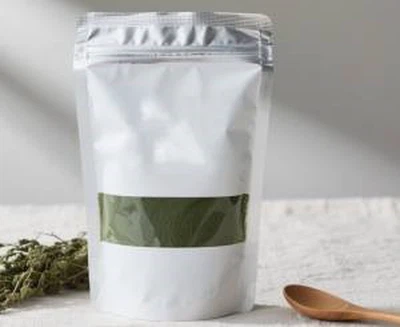
•Unopened, well-packaged products
When pure chlorella powder is sealed in oxygen-barrier pouches, often nitrogen-flushed with a desiccant, and stored in a cool, dry location away from light, it generally retains its sensory quality and many nutrients for 12–36 months. Some producers mark a "best-by" at 12–24 months to ensure conservative quality guarantees, while others-particularly those using strong barrier packaging and added antioxidants-may claim up to 36 months before noticeable decline in color or flavor. Stability of chlorophyll and carotenoids is particularly dependent on protection from oxygen, light, and humidity[3].
•Opened containers in household storage
Once opened, Natural chlorella powder is exposed to oxygen and humidity each time it is used. When kept in a cool, dry, and dark pantry, opened powder typically maintains acceptable odor, color, and nutrient content for 6–12 months. However, poor storage-such as leaving it in a clear jar near a heat source or a humid kitchen-can shorten usability to only a few weeks or months. Early signs of degradation may include duller color, a faint rancid or musty smell, or clumping from moisture uptake[6].
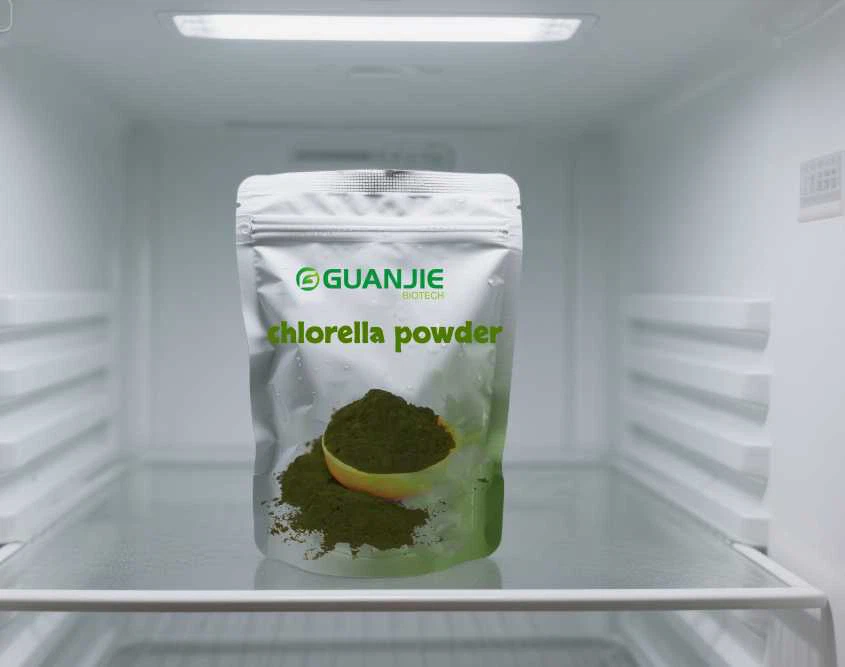
•Refrigeration after opening
Refrigeration can slow oxidation and pigment loss, particularly chlorophyll degradation. While not strictly necessary if the powder is stored very dry and in quality packaging, refrigeration is especially valuable in hot or humid climates, where ambient conditions accelerate chemical and sensory changes. Powder kept refrigerated should remain tightly sealed to prevent moisture absorption from condensation inside the container.
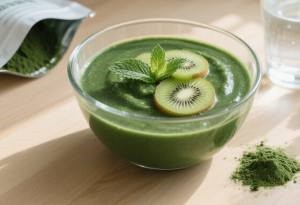
•Use in food products
When Natural chlorella powder is incorporated into baked goods or other processed foods, heat and other processing conditions will degrade some sensitive nutrients, particularly certain vitamins and pigments. The shelf life of these final products depends more on the food matrix than on the chlorella itself. Interestingly, research shows that in some recipes, chlorella's antioxidants can slightly increase the oxidative stability of the finished food, though this is not guaranteed across all formulations[7].
Factors of Chlorella Powder Shelf Life
The shelf life of natural chlorella powder is not a fixed number-it can vary greatly depending on both production quality and storage conditions. Understanding the main mechanisms behind its degradation helps explain why some products remain fresh for years while others lose quality much faster.
• Moisture Uptake and Water Activity (aw)
Natural Chlorella powder is hygroscopic, meaning it readily absorbs moisture from the surrounding air. When stored in humid environments or packaging with poor moisture barriers, its water activity (aw) rises. Even small increases in aw can accelerate chemical reactions such as hydrolysis and Maillard browning, which affect color, flavor, and nutritional compounds. Moisture uptake can also make the powder clump or become sticky, diminishing ease of use. Most critically, higher aw levels can create conditions suitable for microbial growth. Studies on dried microalgal biomass and thylakoid powders consistently show that controlling moisture is the single most effective way to extend shelf life. For consumers, this means keeping natural chlorella powder in airtight containers with desiccants and avoiding prolonged exposure to open air[6].
• Oxygen Exposure and Lipid Oxidation
Although Natural chlorella powder has a relatively modest fat content, it does contain unsaturated fatty acids that are highly prone to oxidation. Contact with oxygen triggers lipid peroxidation, producing rancid off-flavors and aromas while degrading sensitive nutrients such as polyunsaturated fatty acids and fat-soluble vitamins. Oxidative damage also reduces the sensory appeal and potential health benefits of the product. To combat this, manufacturers often use nitrogen-flushed packaging or include natural antioxidants. For long-term storage at home, minimizing repeated air exposure by resealing quickly and using smaller storage containers can help preserve freshness.
• Light-Induced Degradation
Chlorophyll and carotenoids, key pigments in natural chlorella powder, are highly light-sensitive. Exposure to ultraviolet or strong visible light accelerates photodegradation, breaking chlorophyll into colorless or brown byproducts. This not only dulls the vibrant green color but also reduces antioxidant potential and other bioactive properties linked to these pigments. Light can also degrade certain vitamins. Packaging that blocks or significantly filters light is essential; opaque pouches, dark glass jars, or storing in a closed cabinet all help slow these reactions.
• Temperature Effects
Temperature is a universal accelerator of degradation. Chemical reactions-including pigment loss, lipid oxidation, and nutrient breakdown-proceed much faster at higher temperatures. Elevated heat can also worsen moisture migration and intensify light damage[2]. By contrast, cool storage conditions slow reaction rates and extend shelf life. Both research and industry experience show that sub-ambient or refrigerated storage significantly prolongs the stability of labile compounds in microalgae powders. In warm climates, refrigeration is often recommended once the package is opened[6][7].
• Microbial Growth Risks
In well-dried natural chlorella powder with low water activity, microbial growth is negligible. However, contamination-such as scooping with wet utensils-or storage in high humidity, can raise aw to levels that allow spoilage organisms to grow. This not only shortens shelf life but can also pose safety risks. Proper production hygiene, tight moisture control, and careful handling after opening are critical safeguards.
What The Published Studies Say?
Below are highlights from empirical studies that measured aspects of microalgae (including Chlorella species) stability during storage.
• Retention of bioactivity under different temperatures/light
A study that stored freeze-dried Chlorella vulgaris biomass at −70 °C, 10 °C and 25 °C (dark) and at 25 °C with light found that storage time and temperature significantly influenced bioactivity and biochemical changes over 12–15 months[2]; colder storage better preserved activity[8]. This shows measurable declines in some properties within a year at ambient temperature, and clearly improved stability when refrigerated or frozen[2].
• Drying method effects on nutrient retention
A comprehensive review of microalgae processing concluded that freeze-drying produced the lowest protein loss (often >90% of initial protein retained), whereas thermal methods (oven, convective, spray) caused 10–25% protein losses and greater damage to heat-sensitive compounds. Choosing the drying method is therefore a primary determinant of how long key nutrients remain at useful levels[4][5].
• Pigment stability (chlorophyll/other pigments)
Natural pigments such as chlorophyll are sensitive to temperature, oxygen and light. Studies on pigment stabilization show that chlorophylls degrade faster at higher temperatures and under light; storage in the dark and under cool conditions slows the color loss and pigment decomposition. Stabilization in solution behaves differently than pigments in the native cell matrix, but the principle is the same: temperature and light drive degradation.
• Drying technology and shelf life
Reviews and experimental papers on drying of edible microalgae emphasize that the chosen drying parameters strongly affect natural chlorella powder physical properties and subsequent storage stability (flowability, hydration, oxidation susceptibility). Optimized drying and packaging regimes can meaningfully extend shelf life[5][9].
How To Test And Verify Shelf Life?
For manufacturers and quality labs, typical tests include:
• Moisture content and water activity (aw): Key predictors of natural chlorella powder's microbial and chemical stability.
• Peroxide value / TBARS / PV: Measures of lipid oxidation.
• Chlorophyll and carotenoid content (spectrophotometry, HPLC): Track pigment loss.
• Vitamin assays (HPLC for B-vitamins, vitamin C): Quantify active nutrient loss.
• Microbial load (TPC, yeast & mold, coliforms): Safety checks if moisture rises[6].
• Sensory evaluation (odor, color, taste): Often the first sign of unacceptable quality.
For consumers, simple, practical checks are useful:
• Smell: A stale, painty, or rancid odor (often described as "fishy", metallic, or cardboardy) indicates lipid oxidation - dispose if strong.
• Color: Significant browning or loss of vibrant green suggests pigment breakdown.
• Clumping: Large, hard clumps or a mushy texture indicate moisture uptake and possible increased microbial risk.
• Taste off-flavor: If natural Chlorella powder tastes off or rancid, discard.
• Visible mold: Rare in dry powders, but if present, discard immediately.
Guanjie Biotech is a natural chlorella powder supplier. We recommend a three-year shelf life for unopened chlorella bulk powder. And the opened powder needs you to use it as fast as possible. If you need our products, please enquire with us at info@gybiotech.com.
References:
[1]FDA. Current Good Manufacturing Practice in Manufacturing, Packaging, Labeling, or Holding Operations for Dietary Supplements. 21 CFR §111. 2023.
[2]PubMed. (2021). Stability of freeze-dried Chlorella vulgaris biomass under different storage temperatures. PubMed Central.
[3] MDPI. (2022). Stabilization of chlorophyll and carotenoids in dried microalgae. MDPI Antioxidants, 11(4), 678.
[4]PMC. (2020). Effect of drying methods on protein and pigment retention in microalgae. PubMed Central.
[5]ResearchGate. (2023). Drying technology and shelf-life extension of Chlorella powder.
[6]AOAC International. (2019). Official methods of analysis for moisture, peroxide value, and microbial load in dried algal products (21st ed.). AOAC International.
[7]Zhang, C. et al. Effect of storage temperature and light on the stability of freeze-dried Chlorella vulgaris biomass. Journal of Applied Phycology, 2021, 33(5), 2485-2496.
[8]Safi, C.; Ursu, A. V.; Laroche, C.; et al. Understanding the effect of cell disruption and drying on the biochemical composition of microalgae Chlorella vulgaris. Algal Research, 2017, 28, 200-208.
[9]Chen, Q.; Liu, J.; Wang, Y. Degradation kinetics of chlorophyll and carotenoids in spray-dried Chlorella powder during storage. Food Chemistry, 2020, 311, 125875.


