

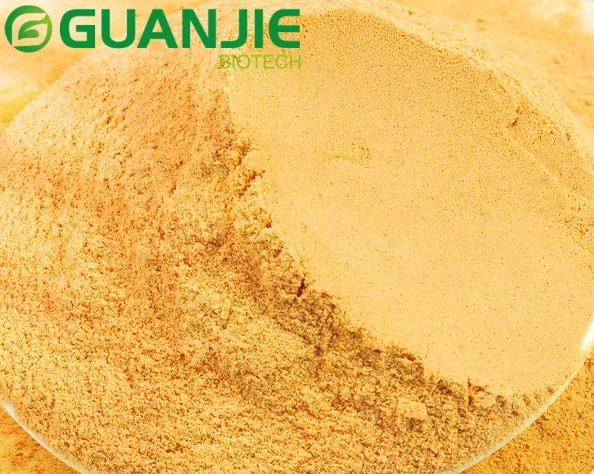
Natural carrot powder, derived from dehydrated and ground carrots, is a popular ingredient in both culinary and nutraceutical applications. It is widely appreciated for its vibrant color, mild sweetness, and rich nutritional profile, particularly its high content of beta-carotene (a precursor of vitamin A), fiber, and antioxidants. Given its versatility, carrot powder is used in baking, beverages, baby food, pet supplements, health foods, and cosmetics.
What is Carrot Powder?
Natural carrot powder is made by drying fresh carrots and grinding them into a fine or coarse powder. The drying process typically includes methods like air-drying, freeze-drying, or spray-drying, depending on the intended use and required nutrient retention.
It retains much of the nutritional value of fresh carrots, including:
•Beta-carotene (Vitamin A)
•Vitamins C, K, and B6
•Potassium
•Dietary fiber
•Antioxidants and phytonutrients
Due to its dehydrated form, pure carrot powder has a significantly longer shelf life than fresh carrots, which typically last just a few weeks even when refrigerated.
Shelf Life of Carrot Powder
Natural carrot powder is a dehydrated form of fresh carrots, prized for its concentrated nutrients, especially beta-carotene, fiber, and antioxidants. One of the main advantages of carrot powder over fresh carrots is its extended shelf life, which makes it a convenient and versatile ingredient in various food products, supplements, and cosmetics. Understanding the typical shelf life of carrot powder is crucial for consumers and manufacturers to ensure quality, safety, and nutritional value over time.
General Shelf Life
Under ideal storage conditions, natural carrot powder generally lasts between 12 to 24 months. This duration can vary depending on several factors such as the drying method used, packaging quality, storage environment, and moisture content. Most commercially available carrot powders are designed to maintain their quality for at least one year, with some premium products lasting up to two years or longer.
Impact of Drying Methods
The processing method used to produce natural carrot powder plays a significant role in determining its shelf life:
Freeze-dried carrot powder typically has the longest shelf life, often lasting 18 to 24 months. Freeze drying removes moisture more effectively while preserving nutrients and color, resulting in a stable product that resists spoilage.
Air-dried or dehydrated carrot powder generally lasts about 12 to 18 months. Although this method is more cost-effective, it may result in slightly lower nutrient retention and a shorter shelf life due to higher residual moisture.
Spray-dried carrot powder, commonly used for instant food mixes, usually lasts around 12 to 18 months but can be more prone to oxidation if not properly packaged.
|
Drying Method |
Shelf Life (Unopened, Proper Storage) |
|
Freeze-dried |
18–24 months |
|
Air-dried |
12–18 months |
|
Spray-dried |
12–18 months |
Packaging and Storage Conditions
Natural carrot powder is a valuable ingredient rich in beta-carotene, antioxidants, and dietary fiber, used widely in food, beverage, nutraceutical, and cosmetic industries. Its shelf life, typically ranging from 12 to 24 months, depends heavily on how it is packaged and stored. Proper packaging and storage conditions are crucial to preserving the powder's nutritional value, flavor, color, and safety. In this section, we explore the ideal packaging materials, storage environments, and handling practices to maximize the longevity and quality of carrot powder.
Importance of Packaging for Carrot Powder
Natural carrot powder is sensitive to several environmental factors that can accelerate degradation:
•Moisture can lead to clumping, microbial growth, and spoilage.
•Oxygen exposure can cause oxidation of beta-carotene and other sensitive compounds, leading to loss of color, flavor, and nutrients.
•Light, especially UV light, degrades carotenoids and antioxidants.
•Heat speeds up chemical reactions like oxidation and nutrient breakdown.
Therefore, packaging is the first line of defense against these threats. Effective packaging protects carrot powder from moisture, oxygen, light, and physical contamination, thereby extending shelf life and preserving product integrity.
Types of Packaging Suitable for Carrot Powder
Airtight, Moisture-Proof Packaging
Natural carrot powder must be kept dry at all times to prevent microbial contamination and caking. Packaging materials that provide a strong moisture barrier are essential.
Vacuum-Sealed Pouches: Vacuum packaging removes air from the package, significantly reducing oxygen and moisture contact. This slows down oxidation and microbial growth.
Aluminum Foil Bags: Aluminum foil is an excellent barrier against moisture, oxygen, and light. Foil bags often have multiple layers that include plastic or polyethylene, providing durability and flexibility for handling and shipping.
Multilayer Barrier Films
Modern packaging often uses multilayer films combining materials like PET (polyethylene terephthalate), nylon, aluminum foil, and LDPE (low-density polyethylene). These films:
•Prevent moisture transmission.
•Provide oxygen and light barriers.
•Maintain package integrity under mechanical stress.
Glass or Plastic Containers
For retail or consumer packaging, Natural carrot powder is sometimes stored in:
•Opaque or amber glass jars that block light while maintaining airtight seals.
•High-density polyethylene (HDPE) or polypropylene (PP) jars that are durable and moisture-resistant.
•However, the choice of rigid containers should be coupled with desiccants or oxygen absorbers for maximum preservation.
Use of Oxygen Absorbers and Desiccants
Adding oxygen absorbers (small sachets that chemically remove oxygen) and silica gel desiccants (to absorb residual moisture) inside packages is a common practice in commercial packaging. These help create an inert and dry environment, reducing oxidation and moisture-related issues.
Optimal Storage Conditions for Carrot Powder
Even the best packaging can fail if storage conditions are inadequate. Natural carrot powder should be stored under conditions that minimize exposure to heat, moisture, oxygen, and light.
Temperature
Ideal storage temperatures are between 15°C and 25°C (59°F to 77°F)
•Higher temperatures accelerate chemical degradation reactions, such as oxidation of beta-carotene and other antioxidants.
•Avoid storing near heat sources like ovens, radiators, or direct sunlight, which can increase the temperature inside the packaging of natural carrot powder.
Humidity
Low relative humidity is critical to prevent moisture absorption. Natural carrot powder should be stored in environments with relative humidity below 60%, ideally below 50%. High humidity causes the powder to clump and promotes microbial growth.
Light Exposure
Exposure to light, particularly UV rays, causes photo-degradation of carotenoids, leading to fading color and nutrient loss. Store carrot powder in dark places, such as cupboards or pantries away from windows.
If the packaging is transparent or translucent, store in opaque secondary packaging or use amber containers.
Oxygen Exposure
Oxygen accelerates oxidation reactions, which deteriorate flavor, color, and nutritional compounds. Avoid opening the natural carrot powder package frequently or for extended periods. If repackaging is needed, do so quickly and reseal the package tightly.
Best Practices in Handling and Storage
•Keep Packages Sealed:
Always reseal opened packages tightly or transfer powder to airtight containers immediately after use.
•Use Small Portions:
Store bulk carrot powder in large sealed packages, but keep smaller quantities in everyday-use containers to limit air exposure.
•Avoid Contamination:
Use clean, dry utensils when handling natural carrot powder to prevent introducing moisture or microbes.
•Inventory Rotation:
Follow the First-In-First-Out (FIFO) principle to use older stocks before newer ones, reducing the risk of using expired or degraded powder.
•Avoid Temperature Fluctuations:
Constant temperature storage is preferable. Fluctuations can cause condensation inside the packaging, leading to moisture problems.
Natural carrot powder's shelf life and quality are closely tied to how it is packaged and stored. Optimal packaging involves airtight, moisture-proof, oxygen and light barriers such as vacuum-sealed or aluminum foil bags. The use of oxygen absorbers and desiccants can further enhance stability. Proper storage means keeping the powder in cool (15°C to 25°C), dry (low humidity), dark, and stable environments away from heat, light, and air exposure.
Guanjie Biotech is dedicated to producing high-quality vegetable and fruit powders. With specialized drying production lines and advanced processing technologies, we ensure consistent quality and reliable technical support throughout our manufacturing process. Our products are packaged in vacuum-sealed or aluminum foil bags to maintain freshness and stability, offering a typical shelf life of up to 2 years.
If you are interested in our natural Carrot Powder or any of our other offerings, please feel free to contact us at info@gybiotech.com for more information. We warmly welcome your inquiries and look forward to working with you.


