

100 pure spirulina powder is from blue-green algae (primarily Arthrospira platensis), is a superfood rich in protein, vitamins, minerals, and antioxidants. Its vibrant green-blue color and dense nutritional profile make it a staple in health-conscious diets. However, like all food products, spirulina powder has a shelf life. Understanding how long raw spirulina powder can be stored.
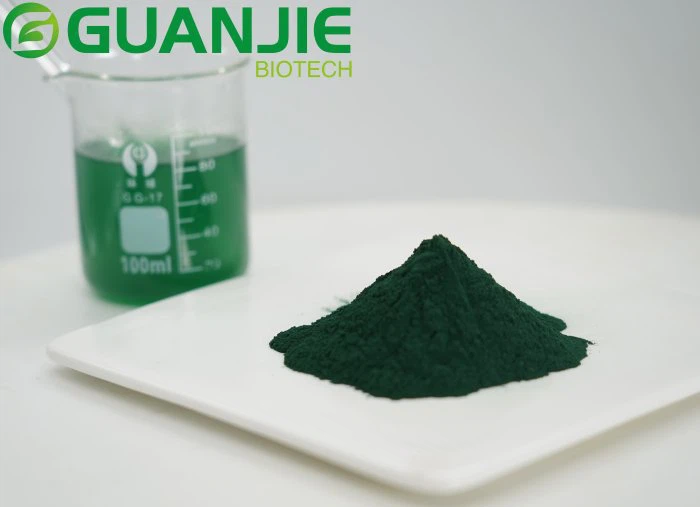
Composition of Spirulina Powder
Understanding the composition of raw spirulina powder is essential to evaluating its shelf life. Each component plays a role in determining how well the 100 pure spirulina powder product retains its quality over time and how it reacts to environmental factors such as heat, moisture, light, and oxygen.
•High Protein Content
Spirulina is renowned for its exceptionally high protein content, accounting for approximately 60–70% of its dry weight. These proteins, which include all essential amino acids, are generally stable under dry, controlled conditions. However, exposure to high temperatures, humidity, or oxygen can lead to protein degradation. This not only reduces nutritional value but can also impact the taste and texture of the powder, especially during prolonged storage.
•Lipids and Essential Fatty Acids
Another significant component in spirulina is its lipid fraction, which includes beneficial fatty acids like gamma-linolenic acid (GLA). These polyunsaturated fatty acids are highly vulnerable to oxidation when exposed to air and light. Oxidation leads to the formation of free radicals and results in rancidity, characterized by an unpleasant odor and flavor, thus reducing the 100 pure spirulina powder product's appeal and health benefits.
•Pigments
Spirulina owes its rich green-blue hue to natural pigments such as chlorophyll and phycocyanin. These bioactive compounds not only contribute to its vibrant color but also offer antioxidant benefits. Unfortunately, they are very sensitive to light and heat. Over time, exposure to these elements can cause pigment breakdown, leading to fading color and diminished antioxidant activity. This visual change often serves as a warning sign of product aging.
•Vitamins and Antioxidants
100 pure spirulina powder is also a source of various vitamins, including B-complex vitamins, vitamin E, and provitamin A (beta-carotene). These micronutrients are essential for human health but are susceptible to degradation under oxidative and thermal stress. Loss of these nutrients further decreases the overall quality and efficacy of the powder during storage.
Standard Shelf Life of Spirulina Powder
As a professional 100 pure spirulina powder supplier, Guanjie Biotech follows strict quality standards to ensure product stability and safety throughout its shelf life. Under optimal storage conditions-specifically a cool, dry, and dark environment with sealed packaging-our spirulina powder typically maintains its quality for 18 to 24 months from the date of manufacture.
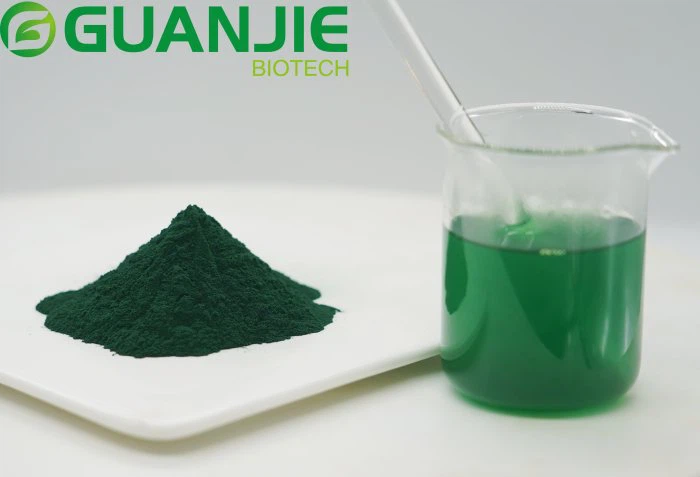
This recommended shelf life is supported by industry standards and our own internal quality assurance protocols. We regularly conduct testing on nutrient content, microbial levels, and sensory characteristics to ensure the powder remains fresh and effective throughout its storage period. Our packaging materials are selected to provide high protection against light, moisture, and air, helping preserve the product's color, aroma, and nutritional profile.
Shelf Life After Opening
Once the packaging is opened, 100 pure spirulina powder becomes more vulnerable to moisture absorption and oxidation, which can reduce its quality over time. Therefore, we recommend that customers use the product within 3 to 6 months after opening for optimal freshness and potency.
To maintain quality after opening, it is essential to reseal the package tightly after each use and store it in a dry, cool place away from direct sunlight and humidity. Consumers may also consider transferring the powder to an airtight, opaque container to further protect it from environmental exposure.
By following proper storage practices, customers can enjoy the full nutritional benefits of Guanjie Biotech's spirulina powder throughout its intended shelf life.
Factors Affecting Spirulina Powder Stability
The stability of 100 pure spirulina powder is influenced by several environmental and packaging-related factors. To preserve its nutritional value, color, and safety, it's essential to understand how these factors affect the product and how to mitigate their impact.
•Moisture and Humidity
Spirulina powder is hygroscopic, meaning it readily absorbs moisture from the air. Elevated humidity levels can significantly compromise its quality. Moisture not only promotes microbial growth, such as bacteria and mold, but also accelerates nutrient degradation and causes the powder to clump, altering its texture and usability. To prevent these issues, spirulina should be stored in environments with relative humidity below 60%, preferably with the addition of moisture-absorbing desiccants when packaging.
• Temperature
Temperature is another critical factor influencing the longevity of 100 pure spirulina powder. High temperatures can hasten chemical reactions like oxidation and protein denaturation, reducing the product's nutritional quality and shelf life. The recommended storage temperature for spirulina is between 15°C and 25°C (59°F to 77°F). Temperatures above 30°C should be avoided, especially over long durations, as they can accelerate the breakdown of delicate compounds such as pigments, vitamins, and essential fatty acids.
•Exposure to Air (Oxygen)
Oxygen exposure is one of the primary causes of 100 pure spirulina powder degradation. Contact with air leads to oxidation, which damages sensitive components like fatty acids and antioxidants. This results in diminished nutritional value, the development of off-odors, and fading of the characteristic green-blue color. To counteract this, spirulina is best stored in vacuum-sealed or nitrogen-flushed packaging, which helps displace oxygen and maintain product freshness.
•Light Exposure
Spirulina's vibrant color and potent antioxidant activity are derived from natural pigments such as chlorophyll and phycocyanin, both of which are highly sensitive to light. Prolonged exposure to visible or ultraviolet (UV) light can degrade these pigments, leading to color fading and a loss of health benefits. Therefore, it is recommended to store spirulina in opaque or UV-resistant containers to shield it from light and help maintain its bioactive properties.

•Microbial Contamination
When improperly stored, especially in humid conditions, 100 pure spirulina powder can become a breeding ground for microbial contaminants. To prevent the growth of bacteria, yeasts, or molds, it's vital to keep water activity low-ideally at or below 0.2 (aw ≤ 0.2). Maintaining this low moisture environment ensures that the powder remains microbiologically stable over time.
•Packaging Materials
Packaging quality is instrumental in preserving spirulina's shelf life. High-barrier materials like aluminum foil pouches with food-safe linings, vacuum-sealed bags, and PET containers with desiccants offer optimal protection against moisture, light, and oxygen. On the other hand, thin plastic bags and paper packaging offer poor barrier properties and should be avoided, as they increase the risk of degradation and contamination.
Signs of Spoilage or Degradation
Although 100 pure spirulina powder is relatively stable when stored properly, it can still degrade over time due to exposure to air, moisture, heat, or light. Recognizing the signs of spoilage is essential to ensure safety and maintain the nutritional benefits of this superfood. Below are key indicators that spirulina powder may no longer be suitable for consumption:
Unpleasant Odor
Fresh spirulina typically has a mild, earthy, or seaweed-like scent. If you detect a sour, rancid, or chemical-like odor, this may suggest oxidation or microbial spoilage. Such changes in smell are strong indicators that the product has deteriorated.
Color Fading or Discoloration
High-quality spirulina powder has a vibrant green to blue-green color due to its rich chlorophyll and phycocyanin content. If the powder appears dull, faded, or takes on a brownish tone, it likely indicates pigment degradation from prolonged exposure to light or heat.
Changes in Texture
100 pure spirulina powder should be a smooth, dry powder. If it becomes clumpy, sticky, or shows signs of moisture, it may have absorbed humidity from the air. This not only affects usability but can also promote microbial growth.
Off Taste
A fresh batch of 100 pure spirulina powder has a slightly grassy, oceanic taste. If the flavor becomes unusually bitter, metallic, or unpleasant, it is likely a sign of oxidation and nutrient breakdown.
Mold or Visible Contamination
Any appearance of mold, unusual spots, or visible contamination is a clear sign of spoilage. In such cases, the product should be discarded immediately to avoid health risks.
To ensure safety and efficacy, always store spirulina in a cool, dry place with the container tightly sealed.
Shelf Life in Various Forms
•Spirulina Powder
Most susceptible of 100 pure spirulina powder to moisture and oxygen but easy to store in sealed containers. Shelf life: 18–24 months (sealed), 3–6 months (opened).

•Spirulina Tablets or Capsules
More stable due to compression and protective coatings. Less surface area exposed. Shelf life: 2–3 years unopened.
• Liquid Spirulina
Highly perishable and often refrigerated. Shelf life: 1–2 weeks after open hearty naturals spirulina powder, even with preservatives.
Frequently Asked Questions (FAQs)
Q1: Can I use spirulina powder past its expiration date?
If 100 pure spirulina powder was stored well (dry, cool, sealed), it may still be safe for a few months past the "Best By" date. However, check for odor, color, and texture changes.
Q2: Can I freeze spirulina powder?
Freezing is not recommended unless vacuum-sealed. Moisture from condensation may degrade it upon thawing.
Q3: What if my spirulina smells fishy?
A strong fishy smell may indicate oxidation or bacterial contamination. It's safer to discard it.
Q4: Can I store spirulina in the fridge?
Yes. Fridge storage can extend shelf life in hot climates, but condensation must be avoided. Store in airtight containers.
Q5: Is clumpy spirulina still usable?
Clumping suggests moisture exposure. If there's no foul smell or visible mold, 100 pure spirulina powder may still be safe, but potency could be compromised.
Spirulina powder is a powerhouse of nutrition, but demands proper care during storage. When kept in a cool, dark, dry place and sealed from air and moisture, 100 pure spirulina powder can remain potent for 18–24 months from manufacture and 3–6 months after opening. Consumers should store it wisely, observe for spoilage, and use it within recommended timeframes. Guanjie Biotech is a 100 pure spirulina powder. We produce different specifications of dry spirulina powder. If you need a natural spirulina powder supplier, welcome to enquire at info@gybiotech.com.


