

Pet parents today are increasingly viewing their dogs as family members, leading to a surge in demand for human-grade, natural, and functional ingredients in pet products. One ingredient that has sparked considerable curiosity and debate is pure almond powder. The central question-"Can dogs eat almond powder?
What is almond powder?
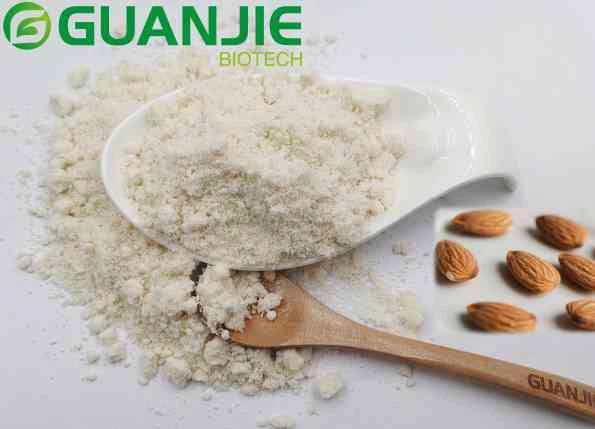
Pure almond powder (a.k.a. pure almond flour/almond meal) is finely ground almonds. It keeps most of the macronutrient profile of almonds: high in fat, relatively high in calories, moderate protein, and fiber. In human food it's used for gluten-free baking, texture and flavor. In pet product use it would function as a nutritive filler, flavor/texture modifier, or to boost "natural" ingredient messaging. Because almond powder retains almond oils and fat, it behaves differently in pet digestion than simple carbohydrate flours.
Can dogs eat almond powder?
When developing pet food or dog treats, many brands explore natural and human-grade ingredients to meet consumer trends. Almond powder is one ingredient that sometimes attracts attention because it is nutritious, flavorful, and recognized by health-conscious buyers. However, before a business chooses almond powder for a pet product line, it is important to understand both the opportunities and the risks.
From a nutritional standpoint
Almond powder is made from finely ground almonds. Pure almond powder contains protein, fiber, healthy fats, and vitamins that are beneficial for humans. However, dogs digest nuts differently from humans, and this is where product developers must be cautious. Almonds are not toxic to dogs like macadamia nuts, but they can still cause digestive problems, including vomiting, diarrhea, or stomach discomfort. The high fat content may also trigger pancreatitis, especially in small dogs or dogs with sensitive digestive systems.
For businesses
This means pure almond powder cannot be treated like a safe, all-purpose ingredient. Instead, it requires careful formulation. If a company wants to use almond powder, it should be added in very small amounts, ideally combined with low-fat base ingredients such as oats or pumpkin. Inclusion levels must be controlled to avoid excessive fat that could create health risks. Conducting small-scale feeding tolerance tests is also recommended to ensure the final defatted almond powder product is well accepted.
For almond powder manufacturer
Almonds can carry risks such as aflatoxins (a type of mold toxin), so sourcing must be strict. Working with Pure Almond Protein Powder suppliers who provide full Certificates of Analysis, mycotoxin testing, and allergen management is essential. Certifications such as HALAL, HACCP, ISO, and KOSHER make the ingredient more credible for international markets.
Clear labeling and customer education
Pet owners are often unsure about nuts, so brands should explain that pure almond powder is used in moderation and provide feeding guidelines and warnings for dogs with pancreatitis or sensitive digestion. Transparent communication helps reduce customer complaints and potential liability issues.
From a market perspective
Almond powder can support product differentiation. It fits well in premium, natural, human-grade, or limited-ingredient treats, where consumers expect unique ingredients. However, it may not be suitable for mass-market dog food, where cost, safety, and regulatory simplicity are priorities.
If used correctly, pure almond powder can add value to a boutique or specialty treat line, but businesses must balance innovation with safety. Strong quality control, conservative formulation, and responsible marketing are the keys to success.
How Does Almonds Powder Used In Dogs' Food?
Pure Almond powder is becoming a more noticeable ingredient in the pet treat and supplement market, especially as consumer interest in "human-grade," clean-label, and premium ingredients continues to rise. While almonds must be used carefully in dog products due to their high fat content and potential for digestive sensitivity, pure almond powder-when applied correctly-offers brands several commercial opportunities. From a business standpoint, its value lies not only in its nutrition profile but also in its strong marketing appeal. Below are the main application areas and how they benefit pet-product companies.

Baked Products
Almond powder is often used in gourmet dog biscuits, soft-baked treats, and high-end cookie mixes. Its fine texture blends well with oats, pumpkin, or meat powders, creating a richer mouthfeel and more appealing aroma. For brands seeking to stand out in the crowded treat market, almond powder supports a "human-grade superfood" positioning. This aligns with the purchasing behavior of pet owners who want their dogs to enjoy the same type of ingredients they consume themselves. Although pure almond powder is more expensive than traditional grain flours, brands can offset the cost by offering premium pricing and targeting higher-income pet parents. Limited-edition flavors or artisanal-style treats also work well in this category.
Supplement Powders and Meal Toppers
Another growing application is in nutritional supplement powders and toppers.Pure Almond powder can act as a nutritive base that carries other functional ingredients such as omega-rich oils, probiotics, collagen, or skin-and-coat blends. Its natural fats and mild flavor can improve palatability, helping dogs accept supplement products more easily. From a business angle, this improves customer satisfaction, repeat purchase rates, and reduces product waste. This use is especially successful in DTC (direct-to-consumer) channels where pet parents look for clean-label supplement mixes and want to avoid synthetic fillers.
Limited-Ingredient and Special Diet Products
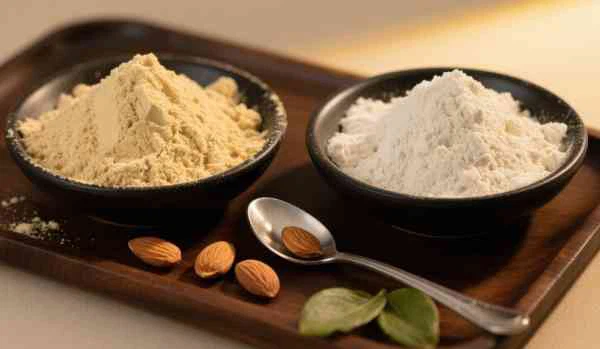
For brands emphasizing simple, minimal-ingredient recipes, pure almond powder provides a recognizable ingredient that fits clean-label trends. Many dog owners prefer ingredient lists they can understand-making almond powder an attractive addition. This is especially useful for products positioned for dogs with food sensitivities, where grain-free or gluten-free messaging is important. Using almond powder from a verified supplier with certifications (HALAL, HACCP, ISO, KOSHER) helps brands communicate safety, purity, and quality. This transparency increases consumer trust and supports premium pricing strategies.
Functional Chews
Almond powder can also be included in functional chews, such as dental chews, calming chews, or skin-and-coat formulas. It works as a binder and flavor enhancer, helping improve chew texture and ingredient uniformity. For dental products, almond-based formulas can support long-lasting chewability, which enhances product value in the eyes of consumers. Functional chews have one of the highest margins in the pet sector, and pure almond powder helps brands enter the market with a unique, natural differentiator.

Is Almond Powder Safe for Dogs?
Almond powder is a popular ingredient in human food, but when it comes to pets-especially dogs and cats-its safety is not as straightforward. From a business standpoint, understanding both the nutritional value and the potential risks is essential before using pure almond powder in pet treats or functional snacks.
Almond powder is not considered toxic.
It is also not naturally suitable for most pets. Almonds contain high levels of fat, which may cause digestive upset in sensitive animals. In more serious cases, excessive fat intake can increase the risk of pancreatitis, a condition that many pet owners and veterinarians are especially concerned about. This means manufacturers must be cautious with inclusion levels and avoid positioning pure almond powder as a major nutrient source.
Almond-based ingredients require strict quality control.
Nuts can carry risks of aflatoxins, a type of mold toxin that is strictly regulated in the pet-food industry. For companies, this increases the need for reliable suppliers, batch testing, and detailed documentation to meet export and retail requirements.
Overall, pure almond powder can be used in very small, controlled amounts in premium pet treats, but it is not ideal as a main ingredient. Companies that choose to use it should prioritize safety testing, veterinarian consultation, and strong QA systems.
Guanjie Biotech is a bulk almond powder supplier with its own production lines. We offer high-quality almond powder at competitive prices, and our products are certified by HALAL, HACCP, ISO, KOSHER, and more-ensuring safety and consistency for pet food and treat manufacturers.
Conclusion:
The question "Can dogs eat almond powder?" opens the door to a sophisticated business opportunity. The answer is a qualified "yes," but its commercial success depends on a framework of responsible formulation, strategic marketing, and most importantly, an impeccable supply chain.
The risks associated with almonds for dogs are mitigated by using pure almond powder in careful moderation. When done right, it allows businesses to create products that sit at the lucrative intersection of humanization, health, and premiumization in the pet industry.
Partnering with a certified, reliable, and quality-focused bulk supplier is the first and most critical step in this journey. It de-risks your innovation, ensures product safety and consistency, and provides the foundation for a credible, high-value brand.
Guanjie Biotech, with its owned production lines, portfolio of certifications (HALAL, HACCP, ISO, KOSHER), and commitment to high-quality almond powder at a competitive price, is positioned to be that foundational partner. By providing superior raw materials, we enable pet industry businesses to confidently answer consumers' questions-not just with a "yes," but with a safe, market-ready product. Welcome to enquire with us about pure almond powder at info@gybiotech.com.
References:
[1] Packaged Facts. (2023). Pet Food in the U.S., 17th Edition. Market Research Report.
[2] Merck Veterinary Manual. (2023). Pancreatitis in Dogs.
[3] International Organization for Standardization (ISO). (2018). ISO 22000:2018 Food safety management systems.
[4] ASPCA Animal Poison Control Center. "Toxic and Non-Toxic Plant List - Nuts & Seeds."
[5] National Research Council (NRC). Nutrient Requirements of Dogs and Cats. National Academies Press.
[6] Pet Food Institute (PFI). "Guidelines for Nut-Containing Ingredients in Pet Food."
[7] FDA Center for Veterinary Medicine (CVM). "Aflatoxins in Animal Food."
[8] European Pet Food Industry Federation (FEDIAF). "Nutritional Guidelines for Complete and Complementary Pet Food for Cats and Dogs."
[9] Journal of Animal Physiology and Animal Nutrition. "Digestive Tolerance of High-Fat Ingredients in Dogs."
[10] Association of American Feed Control Officials (AAFCO). "Official Publication: Ingredient Definitions and Pet Food Safety Standards."


