

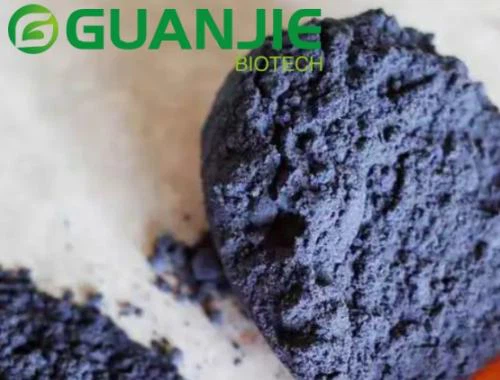
Blue butterfly pea flower powder is from the butterfly pea flower. It's a natural food colorant, and an ingredient in nutraceuticals and cosmetics because it contains anthocyanins, flavonoids, and other polyphenols. For most healthy adults, moderate culinary use (tea, colorant, small food or beverage additions) appears well tolerated. However, like any botanical ingredient, concentrated forms such as bulk powder can produce side effects in some people or under certain conditions.

What Are The Side Effects Of Butterfly Pea Flower Powder?
Most available evidence (traditional use, short toxicology studies, and limited animal experiments) suggests blue butterfly pea flower powder is relatively safe when consumed in moderate amounts. Several potential side effects have been reported or are biologically plausible.
Gastrointestinal effects
• Evidence & frequency.
Reports of nausea, stomach ache, or diarrhea after consuming blue butterfly pea flower powder or preparations are mostly anecdotal or reported in consumer health articles; controlled human studies documenting frequency are lacking. Nutrition and health sites commonly note that "overconsumption" can cause mild digestive upset.
• Why it might happen.
Butterfly pea flowers contain polyphenols (including anthocyanins), tannins, and other plant secondary metabolites. In some people, tannins and other astringent compounds can irritate the gastric mucosa or alter gut motility, producing nausea or loose stools if consumed in large amounts. Powder concentrates (versus an infusion of petals) increase the dose of these compounds per serving, raising the chance of GI effects.
• Practical note.
Start with small amounts (a single tea cup or a half-teaspoon of blue butterfly pea flower powder in a beverage) to assess tolerance. If you experience persistent GI symptoms, stop use and consult a healthcare provider.
2. Allergic reactions and hypersensitivity
• Evidence & frequency.
Allergic reactions to blue butterfly pea flower powder appear to be rare. However, as with any botanical, cases of skin rash, urticaria (hives), and in theory respiratory allergy can occur. Consumer reports and general product safety notes list allergy as a potential (though uncommon) side effect.
• Why it might happen.
Plant proteins, pollen, or minor phytochemical constituents can act as allergens. If someone has a known sensitivity to legumes or other Fabaceae family plants (butterfly pea is in the Fabaceae family), cross-reactivity is possible albeit not well documented.
• Practical note.
People with known plant/flower allergies should try a patch test for topical products and a very small oral test dose, ideally under medical advice. Discontinue on any sign of itching, swelling, wheeze, dizziness, or difficulty breathing and seek urgent care for signs of anaphylaxis.
3. Blood-glucose lowering (hypoglycaemia risk with medications)
• Evidence & implications.
Multiple animal studies and some in vitro work report that Clitoria ternatea extracts inhibit carbohydrate-digesting enzymes (α-amylase, α-glucosidase) and reduce postprandial blood glucose in rodent models and cell systems; several papers report antihyperglycemic effects. While this is a potentially beneficial property for managing blood sugar, it raises the possibility of additive effects if taken with antidiabetic medication, increasing hypoglycaemia risk.
• Mechanism.
The anthocyanins and flavonoids in the blue butterfly pea flower powder appear to inhibit enzymes that break down starches into glucose and may protect pancreatic β-cells via antioxidant effects - both actions reduce blood glucose excursions. The powder (concentrated form) may have stronger enzyme-inhibiting activity than a light infusion.
• Practical note.
If you have diabetes or take blood-glucose lowering drugs (insulin, sulfonylureas, etc.), check with your clinician before using blue butterfly pea flower powder. Monitor blood glucose closely when starting or changing dose.
4. Blood-pressure lowering and cardiovascular effects
• Evidence & implications.
Animal studies demonstrate vasorelaxation and a reduction in blood pressure with Clitoria ternatea extracts in rat models; clinical human data are sparse but at least one small human intervention approach (nanoparticle syrup study) suggested reductions in systolic and diastolic BP in hypertensive subjects. This suggests hypotensive potential and a need for caution in people on antihypertensives or those prone to low blood pressure.
• Mechanism.
Flavonoids and other antioxidants can improve endothelial function, increase nitric oxide bioavailability, and modulate vascular tone - leading to vasodilation and lower blood pressure in experimental systems.
• Practical note.
If you are treated for hypertension or have episodes of low blood pressure (lightheadedness, syncope), consult your healthcare provider before using blue butterfly pea flower powder doses, and monitor blood pressure after starting.
5. Uterine effects
• Evidence & implications.
Traditional medicine literature and pharmacological reviews that survey uterotonic plants list several botanicals that can stimulate uterine contractions; Clitoria ternatea and other herbs are sometimes used traditionally for gynecologic purposes. Although direct, robust human trials proving uterotonic action for butterfly pea are not abundant, the general precautionary principle applies: agents with potential uterine activity should be avoided in pregnancy because of the risk of stimulating contractions and causing miscarriage or preterm labour. Reviews of uterotonic plants and pharmacologic assessments of traditional remedies recommend caution.
• Why it might happen.
Certain phytochemicals (alkaloids, glycosides, saponins) present in some herbs can directly affect uterine smooth muscle or alter prostaglandin signaling. The exact compound(s) in butterfly pea responsible for any uterine stimulation are not definitively identified, but animal/reproductive studies and traditional use patterns justify caution.
• Practical note.
Pregnant or breastfeeding people should avoid routine or high-dose use of blue butterfly pea flower powder unless a clinician advises otherwise. If there is any question of pregnancy, stop using it until pregnancy is ruled out.
6. Drug interactions
• Evidence & implications.
Direct human drug–herb interaction studies for blue butterfly pea flower powder are limited. However, because the plant can lower blood sugar and blood pressure, additive effects with antidiabetic or antihypertensive agents are plausible. There are also theoretical concerns about interactions affecting platelet aggregation or coagulation with some plant flavonoids - though strong clinical evidence for interactions with anticoagulant drugs (e.g., warfarin) is not established for butterfly pea specifically. Traditional cautionary sources recommend caution for people on blood thinners.
• Practical note.
If you are on prescription medication for blood pressure, diabetes, or anticoagulation, discuss any regular botanical supplement blue butterfly pea flower powder use with your prescriber. They may advise closer monitoring or adjusting medication.
7. Toxicology and long-term safety
• Evidence.
Acute toxicity studies in rodents report relatively high LD₅₀ thresholds (i.e., >2000 mg/kg in some assays), and short-term safety studies often find no gross organ damage at moderate doses. Dermal safety testing for topical extracts also shows acceptable skin safety in controlled assessments. That said, high-quality long-term human safety trials are not available for concentrated powder supplements. Regulatory assessments flag the need for more subchronic and chronic studies to establish maximum safe intake levels.
• Why this matters.
Low acute toxicity does not rule out subtle long-term effects (e.g., on liver, reproductive hormones, nutrient absorption) at chronic high exposure, especially with concentrated blue matcha butterfly pea flower powder (not the same as a single cup of tea). Plant powders increase bioactive constituent intake, so extrapolating safety from occasional culinary use to daily supplement doses requires caution.
• Practical note.
Avoid very large daily doses of blue butterfly pea flower powder until more long-term human data are available. Use standardized products from reputable suppliers and follow label dosing.
|
Side effects |
Cause |
|
Gastrointestinal upset (nausea, abdominal pain, diarrhea) |
Mostly anecdotal; occasional with high intake. |
|
Allergic reactions (skin rash, itching, rare anaphylaxis) |
Rare but possible for a botanical |
|
Lowered blood glucose |
May interact with antidiabetic drugs and cause hypoglycaemia if combined. |
|
Blood-pressure-lowering / vasorelaxant effects |
Animal studies show hypotensive action; caution for people on antihypertensive medication or with low blood pressure. |
|
Possible uterine effects / uterotonic activity |
Traditional reports and some pharmacological literature raise concern for use in pregnancy (possible stimulation of uterine contractions); pregnant or breastfeeding people should avoid regular use. |
|
Very low acute toxicity |
Very low acute toxicity in animal studies (LD₅₀ > 2000 mg/kg in mice), but comprehensive long-term human safety data are lacking. |
Conclusion
In summary, butterfly pea flower powder is generally considered low-risk in amounts typical for tea or culinary use but carries plausible and documented risks when used in concentrated powdered form or by vulnerable individuals. The main side effects to be aware of are gastrointestinal upset, rare allergic reactions, blood-glucose and blood-pressure lowering effects (which can interact with medications), and theoretical uterine stimulation (pregnancy caution). Choose reputable butterfly blue pea powder suppliers, follow dosing guidance, and consult healthcare providers if you are pregnant, breastfeeding, on medication, or have chronic health conditions.
From a business perspective, Guanjie Biotech is one of the bulk blue butterfly pea flower powder manufacturers. If you plan lto use large-scale or product development use, source COAs and ask us about extraction methods, heavy-metal testing, and microbial limits. Welcome to enquire with us at info@gybiotech.com.
References
[1] Maneesai, P., Iampanichakul, P., & Others. (2021). Butterfly pea flower (Clitoria ternatea Linn.) extract: preventive effects on L-NAME-induced hypertension and vascular dysfunction in rats. Journal of Food Science and Agriculture. Retrieved from PubMed.
[2] Widowati, W., et al. (2024). Antidiabetic and hepatoprotective effect of butterfly pea (Clitoria ternatea) extract in diabetic and dyslipidemic rat models. Journal/PMC.
[3] UPM / Malaysian Journal of Medical and Health Sciences. (2012). Toxicity evaluation of methanol extract of Clitoria ternatea L. (Acute toxicity studies; LD₅₀ > 2000 mg/kg).
[4] European Food Safety Authority (EFSA). (2022). Notification of dried flowers of Clitoria ternatea L. (safety assessment / data gaps). EFSA supporting document.
[5] Gruber, C. W., & Others. (2010). Uterotonic plants and their bioactive constituents: a review (discussion of plants with uterotonic effects and safety considerations). Journal / PMC.
[6] Healthline. (2022, June 3). Blue tea: Benefits, side effects, and how to make it. Healthline Media.
[7] PharmEasy. (2024, February 15). Butterfly Pea Flower: Uses, Benefits, Side Effects & More! PharmEasy blog (consumer health summary).


