

Peach dices refer to small, cubed pieces of fresh or dried peaches. As a versatile food ingredient, understanding the potential health benefits and considerations of consuming peach dices is important. This article will provide an in-depth overview of what peach dices are, their nutritional value, antioxidant properties, culinary uses, and any precautions to be aware of.
What Are Peach Dices?
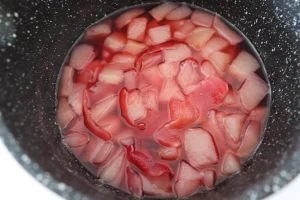
Peach dices are small chunks of peaches that have been precisely cut into tiny cubes typically around 1/4 to 1/2 inch in size. Both fresh and dried peaches can be diced and used for cooking, baking, or snacking. The uniform shape and size of the dices allows for even cooking and a concentrated peach flavor in recipes.
Nutrition in Peaches
Peaches provide an array of vitamins, minerals and plant compounds. Some of the key nutrients found in peaches includes immune-boosting vitamin C, vitamin A precursors for healthy skin and eyes, potassium for fluid balance, and choline for cell membrane signaling. Peaches also contain magnesium, phosphorus and calcium for bone health along with essential B vitamins like niacin, riboflavin and vitamin B6.
Benefits of Dicing Peaches
Dicing peaches into small uniform cubes increases the surface area to volume ratio allowing for greater integration of flavor into recipes. The additional surface area also allows for any dressings like lemon juice to adequately coat the peaches. Smaller diced peaches can blend seamlessly into batters and doughs distributing peach flavor consistently.
Moisture Content
Diced peaches whether fresh or rehydrated from dried contain beneficial moisture that keeps recipes like muffins, cakes and oatmeal moist. This moisture content needs to be accounted for when substituting in peach dices within recipes.
Sweetness Factor
In addition to moisture, peach dices contribute natural sweetness from fructose and sucrose that balances well with other flavors. This sweetness pairs nicely with ingredients like nuts, baked doughs, meats, and cheeses in sweet or savory dishes. The sweetness should be considered when designing recipes that let the flavors of the peach dices shine.

Nutritional Benefits
As a source of essential vitamins and minerals, consuming peach dices can contribute to meeting nutritional needs and maintaining good health.
Vitamin C
Peach dices are high in immune-boosting vitamin C with approximately 10 mg per 100 grams of peaches. Vitamin C acts as an antioxidant supporting immune function and collagen production needed for wound healing. The vitamin C in peach dices helps meet the 75-90 mg recommended daily intake for adults.
Vitamin A Precursors
Peach dices contain carotenoid pigments like beta-carotene that act as provitamin A compounds. Once ingested, the body converts these pigments into active vitamin A needed for eye health, immune regulation and cell growth. Vitamin A also supports skin health and peaches contain significant amounts to meet nutritional demands.
Potassium
With 190mg of potassium per 100 grams, peach dices provide a useful dose of this essential mineral. Potassium allows for proper nerve transmission, muscle contraction, fluid balance, and controlling blood pressure within healthy ranges. Most Americans do not consume adequate potassium so peach dices can help bridge nutritional gaps.
B Vitamins
Peach dices supply B vitamins like niacin, riboflavin and vitamin B6. Niacin assists in converting nutrients to energy while riboflavin facilitates cellular function and energy metabolism. Vitamin B6 supports red blood cell production, brain development and immune function. The array of B vitamins in peaches contribute to overall wellbeing.
Bone Health Minerals
Peaches contain calcium, magnesium and phosphorus needed for building and maintaining strong bones and teeth. These minerals also enable proper muscle contractions and nerve functioning. Though levels are lower compared to foods like dairy and fish, the minerals in peach dices combine with other sources in the diet to meet needs.

Fiber Content
With around 2 grams of fiber per 100 grams of peaches, Dried Peach Dices meaningfully boost the fiber intake from dishes or snacks. Dietary fiber is essential for healthy digestion, gut microbiome diversity and maintaining healthy blood sugar and cholesterol levels. The fiber in peach dices also contributes to feelings of fullness and satiety between meals. This helps prevent overeating and promotes healthy body weight maintenance.
Antioxidants in Peach Dices
Peach dices contain beneficial plant compounds with antioxidant properties including chlorogenic acid, caffeic acid, catechin and epicatechin flavonoid compounds. Consuming foods rich in these antioxidants compounds can help reduce free radicals and oxidative stress in the body that are linked to inflammatory conditions and development of chronic diseases.
Oxidative Stress
Oxidative stress occurs when there is an imbalance between free radical production and antioxidant defenses in the body. Free radicals form through normal metabolic function but at high levels can damage cells and contribute to disease pathology. Intake of antioxidants is essential for neutralizing these free radicals to reduce oxidative damage to tissues.
Anti-Inflammatory Effects
In addition to limiting oxidative stress, antioxidants found in peach dices have demonstrated anti-inflammatory capabilities in preliminary research. Reducing excessive inflammation is key to preventing and managing diseases like heart disease, diabetes, neurodegenerative disorders, and autoimmune conditions.
Flavonoids
Peach dices contain flavonoid compounds like catechin, epicatechin, cyanidin glycoside and rutin that contribute antioxidant, anti-inflammatory and vasoprotective effects in the body. They've also shown promise in research models at protecting neurological function making their intake ideal for supporting brain health.
While more research is needed on the exact effects of these peach phytochemicals in humans, they show significant promise in research models at supporting overall health and preventing conditions like obesity, diabetes, cardiovascular disease and even cancer. Incorporating more of these beneficial compounds from whole foods like peach dices into the diet seems prudent based on accumulating research.
Incorporating Peach Dices into Cooking and Baking
The uniform shape of diced peaches allows for seamless integration into both sweet and savory dishes. Beyond fruits salads, yogurt bowls and overnight oats, there's tremendous versatility with peach dices in the kitchen. Their mild sweetness and moisture enhances instead of overpowers dishes.
Meat Dishes
Grilled chicken, pork tenderloin or fish pair nicely with fresh or dried peach dices added to salsas or chutneys for complementary flavor contrast. Peach dices lend well to both fast weeknight meals and elegant dinner parties alike.
Vegetable Dishes
Peach dices beautifully balance bitter greens, earthy mushrooms or pungent onions when incorporated into salad dressings or used to top composed salad plates. They also make excellent additions to grain bowls and veggie sides bringing pops of sweetness.
Baked Goods
Muffins, tarts, galettes, crumbles and cakes all benefit from the additional moisture and sweetness of diced peaches mixed into batters or used as topping. Peach dices can also be folded into cookie doughs for flavor and texture intrigue.
Breakfast Bowls
Beyond fruit salad, peach dices integrate effortlessly into yogurt bowls, overnight oats, acai bowls and chias providing natural sweetness to balance non-sweet ingredients like nuts, seeds or nut butter. Their addition prevents added or refined sugars.
Dressings and Sauces
Pureed or finely chopped peach dices make excellent additions to dressings, reductions and pan sauces lending mild sweetness, body and slight texture contrast. They pair well with vinegars, mustards and herbs.
Beverages
From lemonades to iced tea, peach dices impart sweetness and peachy aroma without overpowering other ingredients. They can be muddled in cocktails or used to make refreshing peach aguas frescas.
Allergies and Sensitivities to Peaches
While peaches are tolerated by most, they do contain proteins that can trigger allergic reactions or hypersensitivities in some people ranging from mild to severe. Peach allergies are closely associated with sensitivity to other tree nuts and fruits.
Oral Allergy Syndrome
Some people experience localized mouth itching, tingling or swelling known as oral allergy syndrome when eating fresh peaches or peach dices. These mild sensitivities are connected to seasonal outdoor allergies like hay fever or pollen allergies. Properly cooking peach containing foods can deactivate these proteins and prevent reactions in some cases.
Anaphylaxis Reactions
In rare cases, peaches can cause severe, life threatening allergic reactions known as anaphylaxis. Swelling in the throat, trouble breathing, major drops in blood pressure, dizziness and fainting characterize anaphylaxis. Emergency medical intervention is vital in these situations. For those with a known history of peach related anaphylaxis, strict avoidance of all peach products is critical.
The Bottom Line (H2标签)
Peach dices provide beneficial vitamins, minerals and a variety of plant compounds that can positively contribute to overall health and wellbeing. They supply immune boosting nutrients along with compounds that promote antioxidant intake for reducing inflammation in the body believed to be a key factor in preventing and managing chronic diseases. The mild sweetness and moisture of peaches make them incredibly versatile ingredients. Peach dices can be incorporated into both sweet and savory dishes ranging from meat dishes to dressings to baked goods. Some precautions related to allergies for sensitive individuals and maintaining balanced sugar intake should be considered, but when enjoyed in moderation as part of nutritious eating patterns, peach dices allow for accessible intake of the many nutritional benefits of peaches.
Shaanxi Guanjie Technology Co., Ltd is a well-established manufacturing enterprise that has been operating since 2003. We pride ourselves on our two independent production lines, one dedicated to freeze-dried products and the other to spray-dried products. Our commitment to quality is evident in our ISO9000, ISO22000, HALAL, KOSHER, and HACCP certifications, which demonstrate our adherence to international standards and best practices. One of our standout products is our Freeze Dried Peach Dices, which are not only delicious but also highly nutritious and healthy. They have gained popularity among people from all walks of life. If you are interested in this product or have any inquiries, our dedicated sales team is ready to assist you. Please reach out to us at info@gybiotech.com. We value the opportunity to serve you and look forward to establishing a mutually beneficial partnership.
References
1. U.S. Department of Agriculture, FoodData Central. Peaches, yellow, raw. https://fdc.nal.usda.gov/fdc-app.html#/food-details/169918/nutrients. Accessed January 15, 2023.
2. Anderson JW, Baird P, Davis RH Jr, Ferreri S, Knudtson M, Koraym A, Waters V, Williams CL. Health benefits of dietary fiber. Nutr Rev. 2009 Apr;67(4):188-205.
3. Andre, C., Larondelle, Y., & Evers, D. (2010). Dietary antioxidants and oxidative stress from a human and plant perspective: a review. Current Nutrition & Food Science, 6(1).
4. Pham-Huy, L. A., He, H., & Pham-Huy, C. (2008). Free radicals, antioxidants in disease and health. International journal of biomedical science: IJBS, 4(2), 89.
5. Wangorsch, A., Ballmer-Weber, B. K., Röschmann, K., & Holzhauser, T. (2007). Peach allergy in birch pollen-allergic patients: allergen sequence identity with Bet v 1 isoforms is not the key determinant for the IgE cross-reactivity. Allergy, 62(12), 1481-1484.
6. US Department of Health and Human Services and US Department of Agriculture. 2015–2020 Dietary Guidelines for Americans. 8th Edition. December 2015. Available at http://health.gov/dietaryguidelines/2015/guidelines/. Accessed January 16, 2023.


