

Blue butterfly pea flour, derived from the vibrant petals of the Clitoria ternatea plant, offers a unique sensory experience that extends beyond its striking blue hue. While its visual appeal is undeniable, the flavor profile of butterfly pea flower powder is subtle and nuanced, often described as earthy and mildly floral. This makes it a versatile ingredient in various culinary and beverage applications, especially when combined with other flavors to enhance its taste.

The flavor of blue butterfly pea flour is unique and subtle, and while it is more renowned for its color-changing properties, its taste plays a vital role in how it is used and appreciated. This essay explores every aspect of the taste of Butterfly pea flower powder in detail, including its sensory profile, chemical basis, cultural perceptions, culinary pairings, and variations caused by processing and storage.
Sensory of Butterfly Pea Flower Powder Taste
Initial Taste: Mild and Earthy
The first impression upon tasting butterfly pea powder bulk is a delicate, earthy note. This earthiness is reminiscent of fresh green leaves or mild herbal teas such as chamomile, but without overwhelming bitterness or pungency. Unlike many flowers, blue butterfly pea flour does not possess a strong floral sweetness. Instead, it offers a soft, grounding flavor that is somewhat vegetal.
Slightly Herbaceous and Grassy Undertones
Accompanying the earthiness are herbaceous undertones, which bring a fresh, green flavor similar to freshly cut grass or steamed green beans. These subtle grassy notes add complexity and freshness, making the powder pleasant and clean on the palate. The herbal nuance aligns with its botanical origin, lending a natural and unprocessed flavor.
Mildly Astringent and Drying Sensation
Blue butterfly pea flour can also have a light astringency, causing a slightly drying sensation in the mouth similar to what is experienced with green tea or certain unripe fruits. This mild astringency contributes to its crispness and may stimulate salivation, enhancing its refreshing quality.
Very Low Bitterness and Sweetness
In contrast to many herbal powders, Butterfly pea flower powder has minimal bitterness. Any bitterness present is faint and well-balanced by the earthy and herbaceous flavors. Sweetness is nearly absent, which is why it is often combined with sweeteners or paired with naturally sweet ingredients in beverages or dishes.
Aftertaste: Clean and Subtle
The aftertaste is clean and subtle, leaving a mild vegetal note on the palate without lingering bitterness or overwhelming flavors. This clean finish makes blue butterfly pea flour versatile, as it does not interfere heavily with other flavors when used in food or drink.
How does Preparation Affect Taste?
The flavor of blue butterfly pea flour can vary slightly depending on how it is prepared and combined with other ingredients:
Infusion in Hot Water:
When steeped in hot water to make tea, the powder releases its color and flavor slowly. The resulting tea is smooth with a soft vegetal taste and gentle floral notes. The infusion is refreshing and subtle, often described as "clean" on the palate.
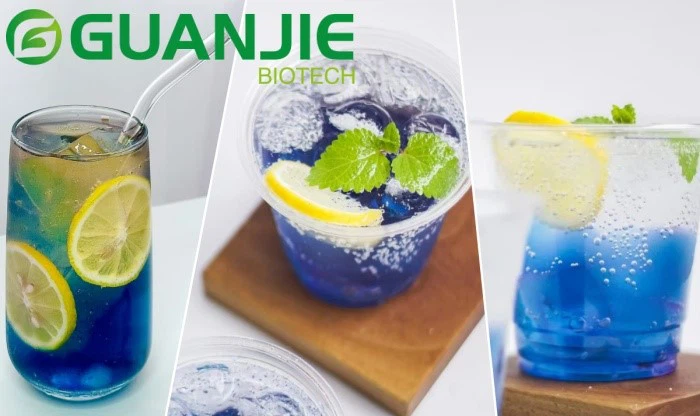
Cold Infusions:
In cold or iced drinks, the floral and vegetal notes become even more delicate, with the blue butterfly pea flour imparting a very light taste, often overshadowed by the sweetness or acidity of added ingredients like lemon or honey.
Concentrated Use in Food:
When added directly to foods such as rice, desserts, or baked goods, the taste of butterfly pea pollen powder is barely noticeable but lends a slight earthiness and herbal undertone, contributing to a complex, layered flavor experience.
pH-Induced Flavor Changes:
The powdered butterfly pea flower's famous color-changing properties (from blue to purple/pink with acid) also subtly affect its flavor. Adding citrus or acidic ingredients brightens the taste slightly, giving it a faint tang or brightness.
Culinary Applications and Taste Pairings
As a Tea or Beverage Ingredient
Blue butterfly pea flour is most commonly used to prepare herbal tea. The taste of butterfly pea blossom powder is enhanced by adding lemon or lime juice, which causes a color change from blue to purple and adds a bright citrus note that complements the mild earthiness. Sweeteners like honey or sugar are often added to offset the powder's natural subtle bitterness.
In Desserts and Baked Goods
In desserts such as puddings, jellies, and cakes, Butterfly pea flower powder contributes a delicate flavor that pairs well with coconut milk, vanilla, or pandan. Its subtle taste doesn't overpower but adds a gentle herbal complexity, making it ideal for blending with sweeter or creamier ingredients.
In Savory Dishes
Less common but growing in popularity is the use of blue butterfly pea flour in savory recipes such as rice dishes, noodles, or salads. The earthy and grassy notes add a unique flavor dimension while providing striking blue hues. Pairings with ginger, lemongrass, or kaffir lime leaves complement and balance the powder's mild taste.
How does Processing affect the Taste of Butterfly Pea Flower Powder?
Drying Methods
The method used to dry blue butterfly pea flour significantly impacts the flavor. Sun drying tends to preserve more of the natural herbal notes but can introduce slight mustiness if not controlled. Freeze-drying retains the freshest flavor, minimizing any bitterness and maintaining bright, clean herbal notes.

Powder Grinding and Storage
The fineness of the blue butterfly tea powder affects how the taste is released in beverages or foods. Finer powders infuse more rapidly, delivering a quicker and sometimes more intense earthy taste. Proper storage in airtight containers away from moisture and light preserves the delicate flavor and prevents rancidity or off-notes.
Summary of Taste Characteristics
| Primary Flavor | Mild earthy and herbal |
| Secondary Notes | Grassy, slight astringency |
| Bitterness | Very low, balanced |
| Sweetness | Negligible |
| Aftertaste | Clean, subtle vegetal |
| Texture in Mouth | Light, slightly drying (astringent) |
| Overall Impression | Delicate, fresh, natural, versatile |
Blue butterfly pea flour offers a gentle, earthy flavor profile with mild herbaceous and grassy undertones, complemented by slight astringency and minimal bitterness. Its subtle taste makes it highly versatile for culinary and beverage uses, especially when paired with citrus or sweeteners to balance and enhance its natural character. The powder's taste is a reflection of its rich phytochemical composition, influenced by processing methods and cultural preferences. Though overshadowed by its vibrant blue color and health benefits, blue butterfly pea tea powder's flavor is quietly complex and integral to its growing popularity worldwide.
Guanjie Biotech offers high-quality blue butterfly pea powder. It is water-soluble, non-GMO, and produced under stringent quality standards, including Halal, Kosher, ISO9001, and HACCP certification. ensuring blue butterfly pea flour purity and consistency for various applications. Welcome to enquiry at info@gybiotech.com.


