

Ginger Powder is a fragrant zest that adds delightful intensity and zing to both sweet and flavorful dishes. Gotten from the contorted rhizome of the Zingiber officinale plant, ginger can be utilized new, dried, ground, sugar coated, cured, and in powdered structure. This prompts some disarray encompassing the expressions "ground ginger" and "ginger bulk powder," which are in many cases utilized reciprocally in recipes, wellbeing stores, and food items. However, would they say they are really exactly the same thing? This article will investigate the definitions, culinary purposes, flavor profiles, medical advantages, creation strategies, and replacement tips for ground ginger versus it to give lucidity on these normal fixings.
Definitions of Ground Ginger and Ginger Powder
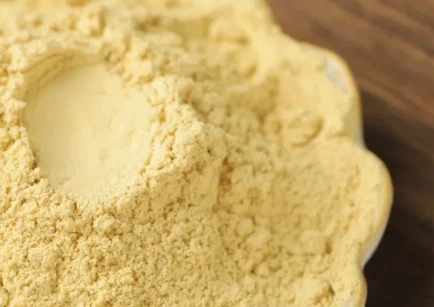
Ground ginger consists of dried ginger root that has been finely pulverized into a coarse powder. The grains are slightly larger and more irregularly sized and shaped compared to it. Ginger powder refers to the same spice, but it has been more thoroughly processed into a super-fine, smooth powder. So while both ground ginger and it originate from the same dried ginger source, it has been more finely ground into a fluffier, more consistent texture.
These terms are often used interchangeably in recipes, food packaging, and culinary lingo, but ground ginger may refer to a slightly coarser grind while it denotes an ultra-fine powder. Subtle differences also emerge across cultures and cuisines. For example, in Indian cooking, "ground ginger" can indicate a blend of it mixed with other spices and herbs. Overall, ground ginger and it can be considered the same product for most general culinary and medicinal purposes.
Culinary Usage and Flavor Profile
Ground ginger and ginger powder share a warm, bright, sweetly spicy flavor profile that enhances dishes spanning from baked goods to curries. Their intensity blooms upon heating, permeating sauces, marinades, and doughs. Ground ginger features in gingerbread, pumpkin pie, ginger snaps, and gingersnaps. It also livens up breads, muffins, and biscuits, and pairs well with carrots, squash, and citrus. Meanwhile, it shines in curry powders, chais, stir fries, and steamed vegetable medleys. It easily dissolves into liquids like smoothies, juices, and soups as well.
Beyond baked treats and warming spice blends, ground ginger and it lend distinct fiery zing to classic beverages like ginger ale, ginger beer, and chai. Their potency must be carefully balanced, however, as too much ginger can overpower other ingredients. Appropriate uses depend on the ground size and individual flavor preferences. For example, coarser ground ginger provides more noticeable ginger bite compared to ultra-fine it.
Medicinal and Health Applications
For centuries, ginger has been prized in traditional healing systems like Ayurveda and Traditional Chinese medicine for its medicinal properties. Modern research also indicates potential anti-inflammatory, antioxidant and antimicrobial benefits. Both ground ginger and it may be applied internally and externally for digestive health, nausea relief, immune support, and joint comfort.
Ground ginger and it can be brewed into teas, stirred into smoothies, and added to herbal formulations to stimulate digestion and soothe occasional nausea. Ginger-based supplements may also promote healthy inflammatory response. Externally, diluted it makes an invigorating addition to baths and body scrubs. When purchasing ground ginger or it for health and wellness uses, ensure the product is organic and steam-processed to preserve active compounds.
Production and Processing Methods
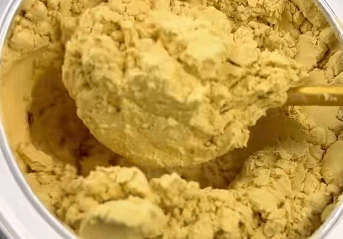
Premium quality ground ginger and Bulk Ginger Powder begin with fresh, mature ginger rhizomes. After harvest, the ginger root is carefully washed, peeled, sliced, and subjected to low heat drying which preserves essential oils and active compounds. The dried ginger slices are then milled into the desired finely or coarsely ground powder texture using stainless steel grinders. To retain maximum potency, steam-distilled or vacuum drying methods are superior to sun drying. Proper storage in air-tight containers also preserves the shelf life and flavor.
When produced using quality ginger and careful drying and grinding techniques, both ground ginger and it deliver a potent depth of flavor and health benefits. Choosing organic, non-GMO verified ground ginger or it also ensures higher standards. Consumers should always check the best-by date and confirm their powdered ginger product has a vibrant golden-beige color and strong aromatic odor.
Consumer Guidance and Substitution Tips
When selecting ground ginger or it, check for labels that specify organic, steam-distilled/vaccum-dried, and non-irradiated. Larger grit size particles typically denote a coarser ground ginger, while finer its should have a very smooth, uniform texture. Always smell your powdered ginger to ensure a fresh, intensely gingery and slightly peppery aroma. Proper storage in a cool dark place in an airtight container helps maintain optimal quality and potency.
Ground ginger and it are generally interchangeable in recipes, with a few adjustments. Ultra-fine it blends more seamlessly into liquids or sauce-based dishes and baked goods with a lot of competing flavors. Coarser ground ginger provides extra zing and crunch in lighter dishes and sprinkled on top of finished plates. Start by substituting measure-for-measure, then tweak amounts based on texture and taste preferences. Expect it to taste slightly stronger than ground ginger. Reduce baking soda/powder if switching ground ginger for it.
Conclusion
While the terms ground ginger and Bulk Ginger Powder are frequently used interchangeably, they technically refer to the same ground dried ginger spice with different grind sizes. Both provide warm, citrusy flavor and potential health benefits to diverse dishes ranging from curries to cookies. Choose high-quality organic, steam-distilled products and adjust grind size as needed based on recipe and application. With greater clarity on the meanings of ground ginger versus it, anyone can use them for maximum flavor and wellness in their cuisine.
Shaanxi Guanjie Technology Co., Ltd is a company that prides itself on maintaining the highest standards of quality and safety. We have obtained several certifications, including ISO9000, ISO22000, HALAL, KOSHER, and HACCP, which attest to our dedication to excellence.
In addition, we strictly adhere to the requirements of GMP production enterprises, from raw material planting and collection to processing and production. This ensures that all of our products are of the utmost quality and safety, meeting the needs and expectations of our customers.
As an OEM (Original Equipment Manufacturer), we offer customized production of various forms such as pellets, slices, and more, catering to the unique preferences and requirements of our clients. One of our exceptional products is the Bulk Ginger Powder. Packed with nutrition and flavor, it is a delicious and healthy option. If you would like to learn more about this product or explore our other offerings, please visit our website or contact us at info@gybiotech.com. Our team is dedicated to providing excellent service and serving you wholeheartedly.
References
1. Singletary, K. (2010). Fresh ginger: an ancient remedy and modern marvel. The Journal of Alternative and Complementary Medicine, 16(8), 859-860.
2. Semwal, R.B., Semwal, D.K., Combrinck, S., Cartwright-Jones, C. & Viljoen, A. (2014). Gingerols and shogaols: Important nutraceutical principles from ginger. Phytochemistry, 117, 554-568.
3. Zhang, H., Chen, F., Wang, X., & Yao, H.Y. (2020). Evaluation of constituent differences between fresh and dried ginger by ultra‐high performance liquid chromatography coupled with quadrupole time of flight mass spectrometry. Food Chemistry, 303, 125336.
4. Shirin, A. P. R., & Prakash, J. (2010). Chemical composition and antioxidant properties of ginger root (Zingiber officinale). Journal of medicinal plants research, 4(24), 2674-2679.
5. Choi, J. G., Kim, S. L., Jeong, C. H., Kim, W. J., Lee, S. O., Andrieu, J., ... & Lee, S. K. (2019). Comparative analyses of total phenols, flavonoids, saponins and antioxidant activity in yellow ginger (Zingiber officinale Rosc.) and Korean red ginger (Zingiber officinale var. Rubra). Food chemistry, 271, 557-564.


