

No, natural apple powder is not the same as apple pectin. In the food industry raw material procurement and formulation development, apple powder and apple pectin are often confused due to their similar origins. For food researchers, formulation engineers, and procurement personnel, correctly understanding the differences between the two helps optimize product design, reduce development costs, and improve product quality. Why is apple powder not the same as apple pectin?

Why is apple powder not the same as apple pectin?
Differences in Raw Material Sources and Production Processes
Although both natural apple powder and apple pectin come from apples, their raw materials, production methods, and purification levels are very different. These differences are the main reason they have different functions and applications.
• Apple Powder
Apple powder is made from whole apples. The main raw material is fresh apples. Some industrial-grade natural apple powder can also be produced from compliant apple pulp or juice-processing materials.
The production process mainly involves physical processing. No deep chemical extraction or purification is used. The main steps include washing, removing cores, slicing, low-temperature drying, fine grinding, sieving, sterilization, and packaging.
This process helps retain most of the natural components found in apples. Only water is removed. Dietary fiber, natural sugars, vitamins, polyphenols, and other nutrients remain in the final product. As a result, natural apple powder is considered a natural fruit powder with multiple nutritional components.
With advanced low-temperature drying technology, bulk apple powder can be produced on a large scale while maintaining its natural flavor, color, and nutritional value. This makes it suitable for many food industry applications.
• Apple Pectin
Apple pectin is a purified food ingredient and functional additive. Its raw material is usually apple pomace, which is the peel and pulp residue left after juice or jam production. Whole fresh apples are rarely used.
The production process involves extraction and purification. This is very different from the simple physical processing used for apple powder. The main steps include raw material pretreatment, hot water extraction, acid or alkali extraction, alcohol precipitation, filtration, decolorization, drying, grinding, and final purification.
The goal of this process is to isolate and purify pectin from apple pomace. During processing, components such as cellulose, sugars, organic acids, and other impurities are removed. The final product is a highly purified pectin ingredient with specific functional properties.
Unlike natural apple powder, which contains many natural apple components, apple pectin is a single-function ingredient mainly used for thickening, gelling, stabilizing, and texture improvement in food formulations.
Differences in Composition and Nutritional Properties
The differences in composition determine the different functions of these two ingredients. They are also an important factor when selecting raw materials for food formulations.

• Apple Powder
Pure Apple powder is a complex ingredient with a broad nutritional profile. It contains natural dietary fiber, soluble sugars, malic acid, vitamins, apple polyphenols, minerals, and other beneficial compounds. The dietary fiber includes both soluble and insoluble fiber. Pectin is only one part of the soluble fiber fraction and usually accounts for about 10%–20% of the total fiber content.
Natural apple powder does not have a single active ingredient. Its main value is to provide natural apple flavor, retain the nutritional components of apples, and improve the overall taste of food products. It is mainly used as a flavor and nutrition ingredient rather than a functional food additive.
• Apple Pectin
Apple pectin is a highly purified ingredient with a specific function. It is mainly composed of polygalacturonic acid, a natural polysaccharide. Based on its degree of esterification, apple pectin is classified into two main types: high-methoxyl pectin and low-methoxyl pectin.
After purification, the pectin content can exceed 90%. The levels of impurities, fruit fiber, and free sugars are very low. Its functional properties are highly concentrated. The main benefits of apple pectin are its gelling ability, thickening effect, and stabilizing performance. It also provides the basic benefits of dietary fiber. Apple pectin is a food additive commonly used to improve food texture and stability rather than to add flavor.
Different Functions
In food processing, these two ingredients serve different purposes. Their functions do not overlap. Their properties are very different, and they cannot replace each other.
• Apple Powder
Natural apple powder is mainly used for flavor enhancement, nutritional enrichment, and texture adjustment.
First, it provides a natural apple flavor. It adds authentic apple aroma and a sweet-tart taste to products such as solid beverages, baked goods, meal replacement powders, and infant formula. It can help reduce the use of artificial flavors and support clean-label product development.
Second, it improves nutritional value. Natural apple powder contains dietary fiber, polyphenols, vitamins, and other fruit-derived nutrients. These components can increase the nutritional content of finished products.
Third, it can slightly improve texture. In baked products and puffed snacks, apple powder may help improve product structure and mouthfeel. However, it does not have gelling, thickening, or stabilizing properties. It does not significantly change the physical structure of the food system.
• Apple Pectin
Apple pectin is mainly used for texture control. It is an important gelling agent, thickener, and stabilizer in food applications.
High-methoxyl pectin forms stable gels under high-sugar and acidic conditions. It is widely used in jams, jellies, and fruit-flavored candies. It helps improve gel strength, product shape, and stability while reducing water separation. Low-methoxyl pectin forms gels in the presence of calcium ions. It is suitable for low-sugar and sugar-free formulations. Pectin also works as a stabilizer in acidic dairy products and fruit beverages. It helps prevent protein separation and juice sedimentation. It improves mouthfeel and extends product stability during storage. Apple pectin powder does not provide flavor. Its main role is to improve texture, structure, and overall product quality.
Differences in Food Industry Applications
Because they have different functions, apple powder and apple pectin are used in different food applications. Each serves a specific purpose in food production.

• Apple Powder
Natural Apple powder is widely used in foods that need fruit flavor and nutritional enhancement. It is a versatile ingredient.
In the solid beverage industry, it is used in fruit-flavored drink powders, meal replacement powders, and probiotic products. In baked goods, it is added to bread, cakes, biscuits, and fruit fillings to improve natural flavor. In infant foods, its natural composition and balanced nutrition make it suitable for baby cereals and fruit purees. In snack foods, apple fruit powder is used in puffed snacks, candy coatings, and other flavored products.
Bulk apple powder is suitable for large-scale food manufacturers. It offers consistent quality, stable supply, and good cost performance. For this reason, pure apple powder is widely used as a basic food ingredient.
• Apple Pectin
Apple pectin is mainly used to improve food texture and stability. Its applications are more specialized.
It is commonly used in jams, jellies, and pectin gummies to create a stable gel structure and desirable texture. In yogurt, acidic dairy drinks, and fruit juices, it helps stabilize the system and reduces separation and sedimentation. In low-sugar and sugar-free foods, it helps solve formulation challenges, such as poor gel formation and texture instability.
The main function of apple pectin is to improve texture, stability, and shelf life. It is not used to provide flavor or significant nutritional value.
Quality Standards
Apple powder and apple pectin follow different quality standards. They are different ingredients and have different quality control requirements.
• Apple powder
Natural apple powder follows the general standards for fruit and vegetable powders. Key testing items include moisture content, particle size, microbial counts, color, flavor, and impurity levels. Quality control focuses on raw material quality, processing conditions, and product consistency.
• Apple pectin
Apple pectin follows the standards for pectin used as a food additive. Key testing items include degree of esterification, gel strength, ash content, heavy metals, and purity. Quality control focuses on functional performance and regulatory compliance.
For food manufacturers, ingredient selection should match the product formulation. If the goal is to add apple flavor, color, and natural fruit nutrition, bulk apple powder is the suitable choice. If the goal is to improve gel texture, increase stability, or extend shelf life, apple pectin is the appropriate ingredient. These two materials have different functions and cannot replace each other.
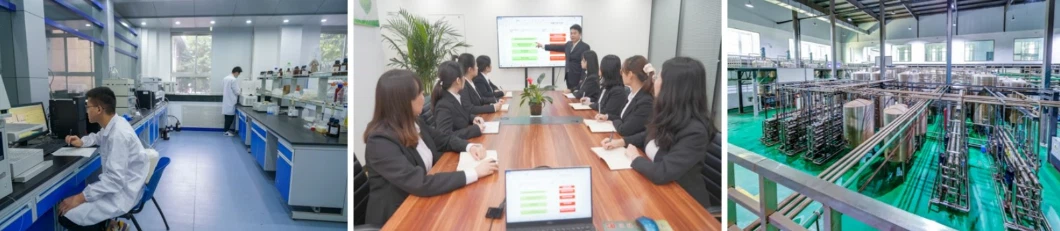
Guanjie Biotech has professional experience in the bulk apple powder industry. We have established a complete quality control system. Every stage is carefully managed, from raw material sourcing and production to finished product testing. This ensures consistent flavor, particle size, and stability in every batch. Our apple powder bulk products meet the quality and supply requirements of food manufacturers worldwide.
How to Choose: Apple Powder or Apple Pectin?
Although both ingredients come from apples, they have very different functions and usually cannot replace each other.
• First, apple powder cannot replace apple pectin.
Natural apple powder mainly provides apple flavor and nutrients. Its pectin content is relatively low. Apple pectin is specifically used for thickening, gelling, and stabilization. For example, when making jelly, replacing pectin with apple powder will usually prevent proper gel formation. Therefore, the two ingredients are not interchangeable.
• Second, apple pectin cannot replace apple powder.
Although pectin is extracted from apples, most sugars, flavor compounds, and polyphenols are removed during processing. As a result, apple pectin has little to no apple flavor. It cannot provide the taste, aroma, or nutritional profile of apple powder.
• Third, choose according to your product goals.
If your objective is to add apple flavor, increase fruit content, support a fruit-based label claim, or enhance nutritional value, natural apple powder is the better choice. If your goal is to thicken, gel, stabilize, improve water retention, or enhance texture, apple pectin is the better option.
In many formulations, the two ingredients can be used together. For example, in fruit gummies, natural apple powder provides natural fruit flavor, while apple pectin creates a stable gel structure. Using both ingredients can improve both taste and product quality.
Conclusion:
Natural apple powder and apple pectin are not the same type of ingredient. They differ in production methods, composition, functions, applications, and quality standards. Apple powder is a natural fruit ingredient used mainly for flavor and nutritional enhancement. It is a common ingredient in many food products. Apple pectin is a highly purified functional ingredient used mainly for texture control and product stability. It is a specialized food additive.
Food manufacturers should clearly understand the role of each ingredient during product development and raw material sourcing. Ingredient selection should be based on product goals and formulation requirements.
With a mature R&D platform and production system, Guanjie Biotech supplies high-quality and standardized bulk apple powder to food manufacturers around the world. We help customers improve product quality and support compliant production.
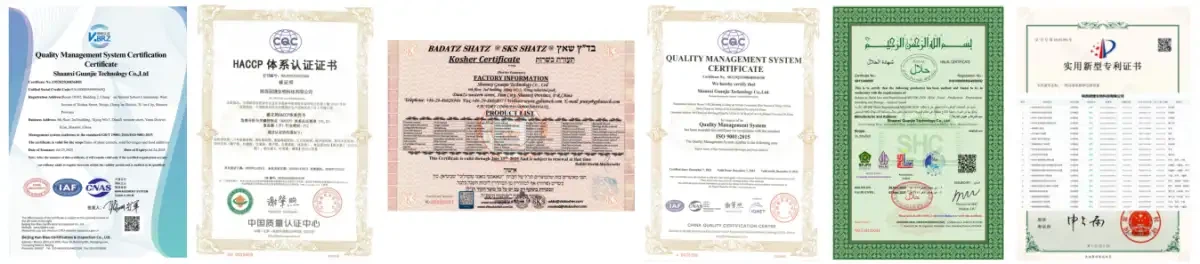
All of our natural apple powder products are tested for heavy metals, pesticide residues, and microbial limits. They comply with applicable national standards and the requirements of export markets. We also provide a complete traceability system from orchard to factory. Welcome to enquire with us at info@gybiotech.com.
References:
[1] Liu J. Apple powder making process. Chinese Patent: CN-1771836-A. 2006-05-17.
[2] Method of production of pectin concentrated apple extract. Ukrainian Patent: UA-117191-C2. 2018-06-25.
[3] Method for extracting pectin and/or cellulose from apple and/or apple extraction juice residue. Japanese Patent: JP-2024119323-A. 2024-09-03.
[4] Guo H, et al. Structural and functional characteristics of pectins from three cultivars of apple (Malus pumila Mill.) pomaces. International Journal of Biological Macromolecules. 2024;269(Pt 2):132002.
[5] Kholov SE, Dzhonmurodov AS, Mukhidinov ZK, et al. A new factor affecting gel strength of pectin polysaccharides. Vestnik Voronežskogo Gosudarstvennogo Universiteta Inženernyh Tehnologij. 2016;(1):151-155.
[6] Karwacka M, Rybak K, Świeca M, et al. The Effect of the Addition of Selected Fruit Pomace Powders and Pectin as Carrier Agents on the Nutritional Value of Freeze-Dried Snacks. Sustainability. 2022;14(20):13012.
[7] Delineating the inherent functional descriptors and biofunctionalities of pectic polysaccharides. Carbohydrate Polymers. 2021;269:118319.


