

Pitaya dragon fruit powder is used in smoothies, supplements, cosmetics, and food coloring. While dragon fruit powder offers convenience and a concentrated source of nutrients and antioxidants, one common question consumers and manufacturers often ask is: Does dragon fruit powder stain?

What Is Dragon Fruit Powder?
Dragon fruit powder is made by drying and pulverizing the flesh or peel of dragon fruit, resulting in a fine, vibrantly colored powder. There are two common types based on fruit variety:
Red/Pink pitaya dragon fruit powder: Made from red-fleshed varieties, it has a deep pink to magenta color.
White Dragon Fruit Powder: From white-fleshed varieties, lighter in color and less pigmented.
The pitaya dragon fruit powder is rich in nutrients like vitamin C, fiber, antioxidants, and phytochemicals, including betalains - the pigments largely responsible for its color.
The Chemistry Behind Dragon Fruit's Color
The striking red or magenta color of dragon fruit powder is primarily due to betalains, a group of water-soluble pigments found in certain plants, including dragon fruit (Hylocereus spp.). Betalains are nitrogen-containing compounds and are categorized into two main types:
- Betacyanins – responsible for red to violet hues
- Betaxanthins – responsible for yellow to orange shades
In red-fleshed dragon fruit, betacyanins are the dominant pigment, producing the powder's deep pink to purplish color. Although they share similar coloring properties with anthocyanins, betalains are structurally and chemically different. One of the key features of betalains is their water solubility, which allows them to disperse easily in aqueous solutions, making them excellent natural colorants.
Key characteristics of betalains include:
- Bright, vivid pigmentation
- Stability in acidic environments, making them suitable for many food and beverage applications
- Sensitivity to heat, light, and pH fluctuations which can lead to pigment degradation or color fading.
Due to these properties, pitaya dragon fruit powder can easily transfer color to various surfaces, including fabric, skin, and porous materials. This staining potential is especially high when moisture is present, as it activates the water-soluble pigments. Understanding the chemistry of betalains is crucial not only for appreciating dragon fruit's natural beauty but also for managing its use in applications where color stability and stain risk are important considerations.
Does Dragon Fruit Powder Stain?
The Answer is yes, dragon fruit powder can stain.

The strong pigmentation from betalains means the pitaya dragon fruit powder can leave persistent marks or stains on:
- Fabrics (especially natural fibers like cotton, linen, silk, wool)
- Porous surfaces such as wood, paper, and some plastics
- Skin, nails, and clothing
- Kitchen utensils or equipment, if not cleaned promptly
However, the extent of staining depends on various factors, which we will explore.
How and Why Does Staining Occur?
Staining occurs when pigmented molecules transfer from the powder to a surface and bind or adhere to it in a way that is difficult to remove.
The water solubility of betalains means that when the powder comes into contact with moisture, pigments dissolve and can spread easily.
The pigments have affinity for protein fibers (like wool, silk) and cellulose fibers (cotton, linen), resulting in absorption and fixation.
The presence of sugars and acids in the powder can enhance pigment binding.
The pitaya dragon fruit powder's fine particle size allows it to penetrate fabric weave or microscopic surface pores.
Staining on Different Surfaces and Materials
While this dried pitaya powder's vivid coloration is desirable in food and cosmetic applications, it also poses a staining risk during handling and use. The degree and permanence of staining depend largely on the type of surface, the duration of contact, and whether moisture is involved.
•Fabrics and Clothing
One of the most commonly affected materials is fabric. When pitaya dragon fruit powder comes into contact with textiles, especially in moist or humid conditions, staining is highly likely. Natural fibers such as cotton, wool, and linen are particularly vulnerable because they are porous and readily absorb water-soluble pigments like those in dragon fruit powder. The result is often intense magenta or pinkish-red spots that can be difficult to remove.
If the stain is not treated immediately, freeze-dried pink pitaya powder can set into the fibers and become permanent after washing. Synthetic materials such as polyester or nylon are more stain-resistant due to their lower absorbency, but they are not immune. Clothing stained with dragon fruit powder should be rinsed in cold water immediately and pre-treated with a stain remover to improve the chance of successful removal.
•Skin and Nails
Direct handling of pitaya dragon fruit powder may leave visible color residues on the skin and under the fingernails. Upon contact, the powder typically imparts a pinkish or reddish tint, particularly in moist environments or when the skin is warm or oily.
Fortunately, this type of staining is temporary and usually fades after a few washes with soap and water. However, individuals who handle the powder frequently-such as in manufacturing or culinary settings-may notice that the pigment builds up, making it more difficult to remove. In such cases, gentle exfoliation or the use of cleansing oils and specialized hand soaps may be required for complete removal.
•Kitchen Utensils and Food Preparation Surfaces
In kitchens and food processing areas, dragon fruit powder drink can stain utensils, bowls, mixers, cutting boards, and work surfaces, especially if they are porous or textured. Wooden cutting boards, unsealed stone countertops, and plastic utensils with rough surfaces tend to absorb the pigment more readily than non-porous materials like stainless steel or glazed ceramics.
If the pink pitaya dragon fruit powder is allowed to sit or dry on these surfaces, the stain may become more difficult to remove. Immediate cleaning with warm, soapy water is generally effective, but for deeper stains, a baking soda paste or diluted vinegar solution may help lift the pigmentation.
•Paper and Packaging Materials
Pitaya dragon fruit powder can also cause discoloration on paper-based materials, such as cardboard boxes, paper bags, and labels. These materials are highly absorbent, and when the powder mixes with moisture-either from humidity or accidental spills-it can seep into the fibers and create noticeable blotches or streaks.
Factors Affecting the Staining Potential of Dragon Fruit Powder
The extent to which pitaya dragon fruit powder causes stains depends on several environmental and physical factors.

•Moisture and Liquid Interaction
The most critical factor influencing the staining potential of dragon fruit powder is moisture. Betalains, the pigments responsible for its striking red or pink color, are highly water-soluble. In dry form, the powder may not immediately leave a noticeable mark, especially on non-porous surfaces or synthetic fabrics. However, once water, sweat, juice, or any form of liquid is introduced, the pigments dissolve rapidly and are much more likely to seep into porous materials. This makes them capable of staining everything from paper and fabric to wood and uncoated plastics. Even a few drops of water on pitaya dragon fruit powder can activate the pigment, allowing it to spread and set in as a stain if not promptly cleaned.

•Duration of Contact and Applied Pressure
Another important consideration is how long the pigment remains in contact with the surface, and whether pressure is applied. A brief, accidental spill that is quickly wiped off may cause little to no discoloration. In contrast, prolonged contact gives the pigments more time to penetrate the microscopic pores of the material. When coupled with rubbing or pressing-such as dragging a cloth across a stained surface or stepping on a spill-the risk of deeper and more permanent staining increases significantly. These mechanical actions push the dissolved pigments deeper into fibers or surface pores, making them more difficult to remove.

•Temperature Conditions
Temperature plays a vital role in how readily the pigments are released from the powder. Warm or hot environments can intensify the solubility of betalains and increase the rate at which they bind to materials. Hot water, in particular, can accelerate the staining process by opening the fibers of fabrics and allowing pigments to settle more deeply. This is why it is generally advised to avoid washing stained fabrics in hot water until pre-treatment is completed. High temperatures also tend to make stains more vivid and harder to remove, especially on organic or absorbent surfaces.
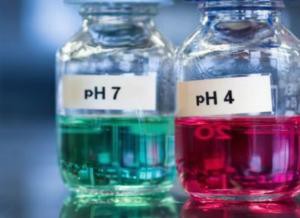
•pH Levels and Environmental Acidity
The pH environment can also influence how pitaya dragon fruit powder behaves. Betalains are typically more stable and display their brightest colors in mildly acidic to neutral conditions. In highly alkaline environments, however, the pigments can degrade or change in hue, becoming less vibrant or brownish. While this shift may alter the stain's visual appearance, it does not always mean the pigment is easier to remove. In some cases, the degraded compounds may still bond to fabrics or surfaces, resulting in lingering discoloration.
Staining in Applications
•Food Industry
Pitaya dragon fruit powder is widely used as a natural colorant in food products, beverages, and confections. Its staining ability is an advantage here. It provides vibrant, appealing color naturally.
•Cosmetics
Used in lip balms, blushes, and body powders for natural pink hues. Staining ability means: It imparts a desirable color to skin. But it can stain clothing or surfaces during application.
•Textile Dyeing
Though not common commercially, dragon fruit pigments have potential as natural textile dyes due to their staining power.
Dried pitaya powder's rich pigmentation, primarily due to betalain compounds, gives it strong coloring power but also makes it a potential staining agent. The powder can stain fabrics, skin, utensils, and surfaces, especially when moisture is present. Stains are vivid and sometimes persistent, but can usually be removed with prompt treatment and appropriate cleaning methods. Guanjie Biotech utilizes advanced production technologies, including freeze drying and spray drying, to produce pitaya dragon fruit powder. This ensures that the dragon fruit powder bulk product maintains its natural color, flavor, and nutritional value. It is a high-quality choice to replace artificial pigments. Welcome to enquire at info@gybiotech.com.


