

Dried pear powder has become an increasingly popular dietary supplement due to its potential health benefits. As a powdered form of dehydrated pears, dried pear powder contains high concentrations of nutrients, fiber, antioxidants, and anti-inflammatory compounds. Understanding the properties of this supplement can help guide its safe and effective use for improving digestive health, supporting weight management, and protecting against disease. This article provides an overview of dried pear powder, its nutritional profile, research on associated health effects, recommendations for usage, and considerations regarding side effects and allergies.
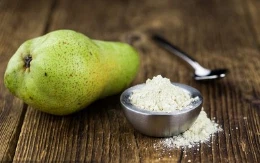
What is Dried Pear Powder?
Dried pear powder is a supplement made by dehydrating ripe pears, then grinding the dried fruit into a fine powder. Various types of pears can be used, including Bartlett, Bosc, and Anjou pears. People have consumed dried pears for centuries for culinary purposes and believed they offered medicinal properties. Today, the powdered form provides a convenient way to add concentrated nutrition from pears into foods, beverages, and smoothies. The production process maintains high levels of beneficial nutrients not always found in fresh pears.
Nutritional Profile of Dried Pear Powder
Dried pear powder contains high amounts of dietary fiber, antioxidant compounds, vitamins, and minerals. Specifically, it provides a rich source of fiber, vitamin C, vitamin K, potassium, and copper. It also contains various antioxidant compounds like flavonoids, carotenoids, phenolic acids, and lignins, which can help reduce oxidative cell damage associated with disease development. The unique nutrition profile of dried pear powder contributes to its ability to benefit digestive health, weight management, immunity, and more.
Digestive Health Benefits of Dried Pear Powder
The high concentration of dietary fiber and special carbohydrates called prebiotics in dried pear powder offer significant digestive benefits.
High Fiber Content
Pears contain a type of fiber called pectin, which becomes very concentrated during the drying process. Fiber moves slowly through the digestive tract, adding bulk that promotes regular bowel movements and prevents constipation. A high-fiber diet is associated with reduced risks of gastrointestinal issues like diverticulitis, hemorrhoids, duodenal ulcers, and gastric cancer. Dried pear powder can assist with digestive regularity without side effects seen in some laxatives.

Prebiotic Properties
The indigestible fibers found in dried pears, including pectin and lignin, act as prebiotics once they reach the colon. Prebiotics provide "fuel" that enhances the growth and activity of healthy intestinal bacteria. This microbiome support through dried pears can improve digestion and absorption of nutrients while lowering gastrointestinal disease risk. Multiple studies indicate dried Bartlett pear powder acts as an effective prebiotic.
Antioxidant and Anti-Inflammatory Properties
In addition to beneficial digestive effects, compounds in dried pear powder exhibit antioxidant and anti-inflammatory abilities that further promote wellness.
Overview of Antioxidant Compounds
Dried pears contain various antioxidants like flavonoids, phenolic acids, carotenoids and vitamin C which can help limit oxidative damage to cells caused by factors like stress and pollution. Oxidative stress contributes significantly to aging, cancer, and heart disease. The antioxidants in dried pear powder may help defend against these conditions by neutralizing free radicals before extensive damage occurs.
Research Studies on Anti-Inflammatory Effects
Chronic inflammation is closely tied to diseases like cancer, diabetes, arthritis and neurological decline. Multiple animal studies reveal an anti-inflammatory effect of dried pear powder on bowel inflammation. Additionally, a study showed Bartlett pear powder inhibited several pathways linked to inflammatory response in cells, indicating its potential to reduce system-wide inflammation in humans. More research is still needed in this area, but findings thus far are promising.
Weight Management Benefits
Consuming fiber- and antioxidant-rich dried pear powder may also offer benefits related to weight management.
Overview of Weight Management Properties
Due to its fiber content, dried pear powder may aid weight loss and maintenance in various ways. Fiber contributes to feelings of fullness and stable blood sugar, curbing overeating that leads to weight gain. By promoting healthy digestion and gut flora, fiber enhances metabolic health and calorie burning as well. The prebiotics and antioxidants in dried pears also support weight regulation through these mechanisms that influence appetite, nutrient absorption, fat storage and metabolism.

Potential Applications for Weight Management
Dried pear powder is highly versatile and can be incorporated into beverages, baked goods and other dishes to make following a reduced-calorie diet more enjoyable and sustainable. Replacing some flour or sugar in recipes with dried pear powder allows for a lower-carb, higher-fiber, more nutritious result. The fiber and nutrients can help stabilize blood sugar, control appetite and support energy levels when limiting overall calorie intake during weight loss efforts. Using this supplement makes achieving healthy, gradual weight reduction easier without compromise on taste or nutrition.
Other Potential Health Benefits of Dried Pear Powder
While research is still expanding in humans, cell and animal studies link dried Bartlett pear powder supplementation to additional wellness benefits related to heart health and immunity.
Heart Health
Hyperlipidemia involves unhealthy elevations in blood fats like cholesterol and triglycerides. Modifying diet can help manage healthy lipid levels, and dried pears show promise for supporting cardiovascular wellness. Animal research indicates Bartlett pear powder decreased total cholesterol and "bad" LDL cholesterol while raising "good" HDL cholesterol. Another study found it suppressed genes involved in fat production in liver cells. Through these effects, dried pear powder may aid heart health by improving blood lipid profiles. Still, more direct human trials are required in this application.
Immune System Support
The vitamin C content and antioxidants in dried pear powder may help strengthen the immune system against pathogens and diseases as well. Vitamin C boosts white blood cells that defend against infection, while antioxidants counteract oxidative damage to immune cells. Adding dried pear powder to smoothies, oatmeal and other foods could help reduce risk of illness during cold season. Again, more studies directly assessing dried pears' effects on human immunity are needed.
How to Choose and Use Dried Pear Powder
For experiencing the greatest digestive, weight maintenance and other wellness benefits, it is important to select high quality dried pear powder and use appropriate serving sizes.
Selecting High-Quality Dried Pear Powder
Not all dried pear powder supplements are equal when it comes to health effects. Seek out reputable brands that disclose details about the pears' origin and drying methods. Choose products made from Bartlett or Anjou pears, which contain higher prebiotic fiber levels than other varieties. Opt for powders made from organically-grown pears to minimize pesticide exposures. Also, certified non-GMO brands ensure pears are not genetically modified. Finally, avoid any fillers, additives and flowing agents sometimes used, which reduce overall nutrient content.
Proper Dosage and Usage
Most digestive benefits are seen with daily intakes between 5-10 grams of dried pear powder. This roughly equates to 2 teaspoons to 2 tablespoons. Introduce it slowly and accompanied by plenty of fluids to avoid gastrointestinal issues from suddenly elevated fiber intake. Dried pear powder blends easily into smoothies, oatmeal, yogurt, baked goods and more. It also makes a fiber-rich addition to juices, milkshakes and protein shakes. For weight loss purposes, using dried pear powder in place of flour, sugar or other simple carbs can further boost results. Those taking certain medications or with pear allergies should exercise caution with using dried pear powder.
Potential Side Effects and Allergies
While general intake recommendations are considered safe for most healthy adults, some considerations exist related to dried pear powder consumption. Monitoring individual tolerance and potential medication interactions can help avoid undesirable effects. Those with known allergies should avoid dried pear products entirely.
Allergic Reactions
Like other fruit-based products, dried pears may trigger allergic reactions in sensitive individuals. People with confirmed allergies to fresh pears should avoid dried pear powder. Anaphylaxis, difficulty breathing, swollen lips or throat and rashes require immediate medical care if occurring after supplement use. For mild symptoms, an antihistamine can provide relief, but dried pear powder should be discontinued entirely in any allergic person.
Interactions with Medications
The fiber content in dried pear powder can potentially interfere with absorption of certain oral medications like antibiotics, blood thinners, antidepressants, blood pressure drugs and NSAIDs if taken simultaneously. To prevent ineffective dosing of important medications, take supplements at least 2-3 hours apart from dried pear powder. Checking with a pharmacist or doctor allows tailoring timing appropriately to the drugs' digestive mechanisms. Anyone being treated for ongoing medical conditions should consult their healthcare provider before adding dried pear powder to their regimen.
The Bottom Line
Dried pear powder shows early promise as a functional food and supplement that provides concentrated nutrition to promote wellness. Its fiber, prebiotics, antioxidants and anti-inflammatory compounds offer digestive, weight management and disease prevention benefits. However, individuals with pear allergies must avoid dried products. Using reputable brands, proper dosing and separating from medications can help harness benefits while avoiding side effects. Incorporating organically-grown, non-GMO dried Bartlett or Anjou pear powder into a balanced diet appears safe for many adults seeking natural solutions to support better health. Still, more research is needed to fully establish efficacy and definitive usage recommendations. The future looks bright for this increasingly popular supplement as an adjunctive approach alongside an overall healthy lifestyle.
Shaanxi Guanjie Technology Co., Ltd. is a trusted manufacturer of high-quality Freeze Dried Pear Powder, which is widely acknowledged for its guaranteed quality and versatile applications. Since our establishment in 2003, we have been dedicated to providing top-notch products to meet the diverse needs of our customers. Our production capabilities include two independent lines for freeze-dried products and spray-dried products, enabling us to offer a wide range of options to cater to specific requirements. Additionally, our commitment to quality is evident through our attainment of ISO9000, ISO22000, HALAL, KOSHER, and HACCP certifications, underscoring our adherence to international standards and ensuring the excellence of our products.
If you have any requirements or inquiries concerning our Freeze Dried Pear Powder, please feel free to reach out to us at info@gybiotech.com. Our team is eager to assist you in finding the perfect product to suit your needs. At Shaanxi Guanjie Technology Co., Ltd., we leverage our years of experience, advanced production lines, and stringent quality certifications to provide you with the finest Freeze Dried Pear Powder available on the market.
References:
1. JL Slavin Benefits of fruits and vegetables for the body Adv Nutr. 2012 Jul 1;3(4):506-16. doi: 10.3945/an.112.002154. PMID: 22797986; PMCID: PMC3649719.
2. Rimm EB, Ascherio A, Giovannucci E, Spiegelman D, Stampfer MJ, Willett WC. Vegetable, organic product, and grain fiber admission and hazard of coronary illness among men. JAMA. 1996 Feb 14;275(6):447-51. doi:10.1001/jama.1996.03530300043034.
3. Parkar SG, Trower TM, Stevenson DE. Waste microbial digestion of polyphenols and its impacts on human stomach microbiota. Anaerobe. 2013 Oct;23:12-9. doi: 10.1016/j.anaerobe.2013.07.001. June 6, 2013 PMID: 23827239.
4. Makarova O, O'Brien S, Sánchez-Patán F, Fulcrand H, Gibson G, Rowland I. Arising Medical advantages from Prebiotics in Food and Enhancements. Nutrients. 2022 Sep 7;14(18):3680. doi: 10.3390/nu14183680. PMID: 36188954; PMCID: PMC9325567.
5. Kiefer J, Honest O, Otte J, Gunkel AR, Thiele S, Baty C, Ralser M, Vollmar AM, Dänicke S, Jahn MP, Langguth P, Huber K. Utilization of Pearson Concentrate Prompts Lower Plasma Cholesterol and Fatty oil Levels in a Pig Model. Nutrients. 2019 Oct 9;11(10):2400. doi: 10.3390/nu11102400. PMID: 31600300; PMCID: PMC6835966.
6. Park SJ, Lee H, Kwon GT, Joo MK, Kim YW, Kim DO. By inhibiting adipogenic genes, Bartlett pear pomace reduces the severity of obesity in mice caused by a high-fat diet. J Sci Food Agric. 2019 Jul;99(9):4265-4274. doi: 10.1002/jsfa.9709. Epub 2019 Apr 10. PMID: 30967345.
7. Riso P, Klimis-Zacas D, Del Bo' C, Martini D, Campolo J, Vendrame S, Møller P, Space S, De Maria R, Porrini M. Impact of a wild blueberry (Vaccinium angustifolium) drink mediation on markers of oxidative pressure, irritation and endothelial capability in people with cardiovascular gamble factors. Eur J Nutr. 2013 Apr;52(3):949-61. doi: 10.1007/s00394-012-0402-9. Published on April 27, 2012. PMID: 22527298; PMCID: PMC4568019.
8. Nongonierma Stomach muscle, FitzGerald RJ. Dipeptidyl Peptidase IV (DPP-IV)-Mediated Hydrolysis of Milk Proteins and Their Hydrolysates Food Chem. 2017 Apr 15;221:1849-1858. doi: 10.1016/j.foodchem.2016.10.081. Epub 2016 Oct 25. PMID: 27865996.


