

Natural Almond flour is widely used in a variety of applications, including food, beverages, and health supplements. Based on processing techniques and ingredients, almond flour can be primarily divided into two categories: whole-fat almond flour and defatted Natural almond powder. Whole-fat almond flour can also be further subdivided into different flavor grades. Furthermore, the almond variety and the degree of hydrolysis of its amygdalin content also affect the taste and uses of the final product. This article provides a comprehensive analysis of almond fine flour from the perspectives of its types and ingredients.
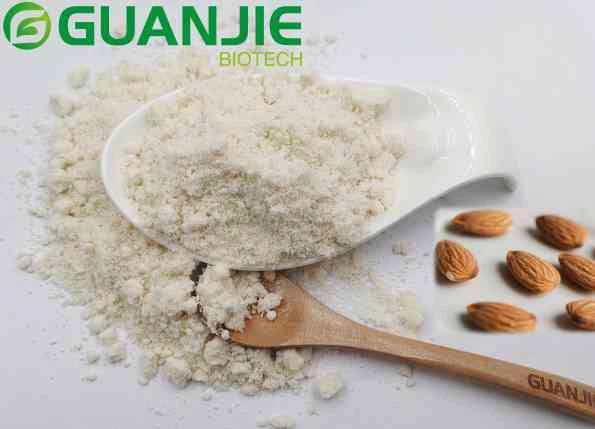
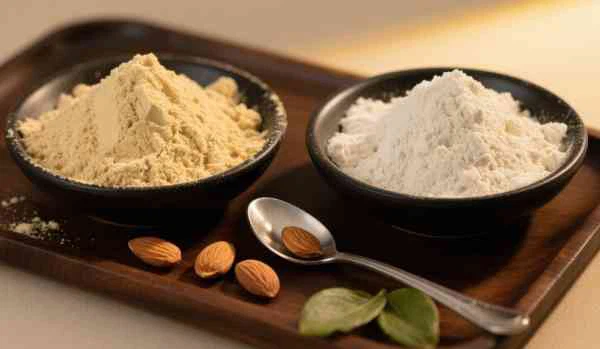
Main Classifications of Almond Flour
Whole-Fat Almond Flour
Whole-fat almond fine flour is made from whole, unde-oiled almond kernels through a series of physical processes, including washing, peeling, drying (or roasting), and grinding. Because it's not defatted, it retains the natural oil content of the almonds, giving it a richer taste and a rich, nutty aroma.
In terms of nutritional profile, whole-fat natural almond flour contains approximately 30% protein and 28% fat, making it a nut flour with high protein and oil content. Its high fat content not only improves the mouthfeel but also provides a natural consistency and emulsification effect in food formulations. Therefore, whole-fat almond fine flour has broad application potential in a variety of applications, including plant-based beverages, baked goods, and ready-to-drink beverages.
Depending on the temperature and time control during the roasting process, whole-fat almond fine flour can be further divided into the following flavor types to meet the aroma requirements of different products.
Light Aroma:
This type of whole-fat powdered almond butter is lightly roasted, resulting in a lighter color and a soft, natural aroma. Its natural almond powder's aroma is not overly prominent, making it suitable for products such as juices, infant formula, and dairy beverages that require other flavors to stand out or avoid overpowering nutty notes.
•Medium Aroma:
This type of whole-fat almond fine flour is roasted at a moderate temperature and time, resulting in a distinct but not overpowering almond aroma. Bulk almond powder retains the natural almond flavor and a balanced flavor profile, making it suitable for a variety of general-purpose foods, such as plant-based protein drinks, cereal bars, and pastries.
•Strong Aroma:
Using a deep roasting process, it achieves a darker color and a rich, nutty aroma, making it highly recognizable. It's suitable for applications requiring a more pronounced aroma, such as coffee-flavored beverages, energy shakes, and protein drinks, significantly enhancing the flavor and taste experience.
Defatted Almond Powder
Defatted almond fine flour is made from almond kernels, the residue remaining after oil extraction via cold or hot pressing. This powder is then further pulverized. Because the oil is largely removed, its fat content is significantly lower than that of full-fat almonds, at approximately 12%, while its protein content remains relatively high, at approximately 22%.
This fine natural almond powder product's key advantage is its low fat and high protein content, making it particularly suitable for calorie-controlled formulations, such as fitness meal replacements, high-protein drinks, and functional nutritional foods. While its reduced fat content may slightly underperform its full-fat counterpart in aroma and taste, defatted bulk almond powder still offers significant advantages in nutritional density and practicality, making it particularly suitable for consumers seeking to control their fat intake.
Furthermore, defatted almond fine flour is easier to formulate in recipes and blends well with other protein sources, such as pea protein and soy protein isolate. Its high protein and low-fat content make it a promising plant-based ingredient in the sports nutrition market.
Nutritional Comparison Analysis
The following table briefly compares the nutritional composition of whole-fat and defatted natural almond powder (per 100g).
|
Items |
Full-fat almond flour |
Fat-Free Almond Flour |
|
Protein Content |
Approximately 30% |
About 22% |
|
Fat Content |
Approximately 28% |
About 12% |
|
Total Energy |
High (from fat) |
Medium (mostly protein) |
|
Aroma |
Rich nutty flavor |
Relatively light |
|
Dietary Fiber |
Rich |
Richer (increased by fat-free process) |
|
Applications |
Beverages, pastries, and condiments |
Suitable for fitness powders, meal replacements, and energy drinks |
Why are there so many types of bitter almonds?
Almonds, especially bitter almonds, contain a natural compound called amygdalin. This cyanogenic glycoside hydrolyzes under appropriate conditions (such as acidic conditions or the action of hydrolytic enzymes) to produce benzaldehyde and hydrocyanic acid.
- Benzaldehyde is the primary volatile component responsible for the almond aroma (bitter almond aroma).
- The degree of amygdalin hydrolysis directly affects the aroma intensity and bitterness of the powder.
- Low hydrolysis yields a weak aroma with almost no bitterness.
- Medium hydrolysis yields a moderate aroma with a slightly bitter taste.
High hydrolysis yields a high benzaldehyde content and a strong flavor, but may also be accompanied by a strong bitterness, requiring controlled use.
Safety Considerations:
Although industrial processing generally keeps amygdalin residues within safety standards, almond fine flour products intended for infants, young children, or special populations require special attention. High-quality almond powder manufacturers use processes such as enzymatic hydrolysis, neutralization, or heat treatment to reduce the content of glycosides to ensure food safety.
Applications
With the food industry's growing focus on plant-based ingredients, natural almond powder, due to its rich nutrition and unique flavor, has found widespread application in various sectors. Different types of bulk almond flour, depending on their characteristics, such as aroma intensity, fat and protein content, offer unique advantages in beverages, baked goods, infant and elderly supplements, and health products, meeting diverse market demands.

Beverage Industry
With the rapid rise of plant-based beverages, almond fine flour has excellent dispersibility and natural aroma. Bulk almond powder has become a key component of many healthy beverages.
•Whole-Fat Light Almond Flour:
Because natural almond powder's aroma is moderate and doesn't mask the flavors of other ingredients, whole-fat light almond flour is often used in plant-based protein beverages and juice and milk blends. It offers an ideal balance of flavor and texture.
•Whole-Fat Strong-Flavor Almond Flour:
Whole-Fat Strong-Flavor almond fine flour offers a richer, nutty flavor and is often used to enhance the overall flavor of beverages. Bulk almond powder is particularly suitable for products such as nut milks, coffee-flavored beverages, plant-based smoothies, and grain-based soups. This type of natural almond powder is particularly popular in high-end beverages and those positioned as health-conscious, adding a natural and rich texture.
•De-fatted almond flour:
Due to its low fat content and relatively high protein content, it is a common ingredient in functional beverages. It is often combined with functional ingredients such as whey protein, pea protein, and MCT oil to meet the high-protein, low-fat nutritional needs of fitness and weight management professionals.
In Baking:
Almond fine flour has significant practical value in the baking industry, enhancing both flavor and texture.
Adding natural almond powder to baked goods like cakes, cookies, and muffins creates a soft and moist texture.
In gluten-free baked goods, almond flour is a high-quality wheat alternative. It can be used as a texturizing flour to improve the texture of gluten-free recipes while also increasing nutritional density.
Classic pastries like almond mooncakes and macarons rely on full-fat, rich-flavor almond flour. It provides a rich aroma and ideal texture, making it a representative ingredient in the fusion of traditional and modern craftsmanship.


Nutritional Products for Infants, Toddlers, and Seniors
For infants, toddlers, and seniors who require gentle nutrition and good digestibility, almond fine flour, with its mild aroma and balanced nutrition, is an ideal plant-based supplement.
For infant food, light or fragrant almond flour can be added to nutritious rice cereals and milk companions, providing both plant-based protein and facilitating nutrient absorption.
For seniors, bulk almond powder is often added as a protein supplement to liquid meals and meal replacement powders, making it particularly suitable for those with dental problems or those requiring special dietary requirements. Its natural flavor also helps stimulate appetite.
Functional Foods and Meal Replacement
With the increasing popularity of healthy living concepts, meal replacement powders and functional foods are becoming increasingly commonplace. The nutritional profile of bulk almond powder perfectly matches the needs of these products.
Defatted natural almond powder, with its low fat, high protein, and rich dietary fiber content, is a top choice for fitness enthusiasts, weight management professionals, and other specialized groups. It's often added to meal replacement powders, combined with whey protein, pea protein, and plant extracts to create a comprehensive and balanced nutritional profile.
Fat-free almond fine flour can also be used in functional snacks like energy bars, protein cookies, and nutritious chocolates, not only boosting protein but also natural almond powder, providing a natural nutty flavor, enhancing health benefits, and a pleasant taste.

How to Choose Almond Flour?
|
Applications |
Recommended Almond Flour Types |
Description |
|
Milk Tea Beverages |
Whole-Fat Light/Strong Flavor |
Provides a natural nutty flavor and a creamy texture. |
|
Healthy Drinks |
Fat-Free Almond Flour |
Reduced fat and increased protein content. |
|
Bakery |
Whole-Fat Strong Flavor Almond Flour |
Enhanced flavor profile. |
|
Meal Replacement Powders |
Fat-Free Almond Flour |
Controlled calories and increased nutritional density. |
|
Infant Formula |
Whole-Fat Light Flavor Almond Flour |
Soft, mild aroma without irritation. |
Almond fine flour offers excellent taste and nutritional profile and is widely used in health foods, baking, beverages, and healthcare. Different types of natural almond powder offer unique characteristics and applications.
●Whole-fat natural almond powder emphasizes flavor and texture, making it suitable for traditional foods and ready-to-drink beverages.
●Fat-free bulk almond powder emphasizes high protein and low fat, making it more suitable for functional foods.
●The degree of amygdalin hydrolysis determines flavor and safety, making it an important consideration when choosing an ingredient.
With the growing emphasis on natural and healthy eating, the diverse range of natural almond powder will continue to drive its widespread use in the functional food market. When choosing, businesses and consumers should carefully select the appropriate type of natural almond powder based on product positioning, target demographic, and functional requirements to maximize both nutritional value and taste. If you have a need for almond fine flour, please contact us. We can help you select the right bitter almond powder for your needs. Contact us at info@gybiotech.com.


