

Fig powder is a nutritional powerhouse that can be used in a variety of recipes and dishes. Made from dried, ground figs, this versatile ingredient brings a sweet, earthy flavor along with an array of health benefits. Read on to learn more about fig powder, its nutritional composition, culinary uses, health benefits, commercial production, and frequently asked questions.

Fig powder is a powdered form of dried figs, made by grinding dried figs into a fine powder. It has a sweet, rich flavor reminiscent of dried fruits. Fig powder can be used as a nutritional boost in baked goods, smoothies, oatmeal, yogurt, and more. It also works well as a sugar substitute thanks to its natural sweetness.
Figs have been cultivated for thousands of years, and they are thought to be one of the first plants ever cultivated by humans. Figs are traditionally dried in the sun to preserve their flavor and extend their shelf life. This dried fruit can then be ground into a powder, creating the versatile fig powder ingredient used today.
Nutritional Composition of Fig Powder
Fig powder is high in fiber, antioxidants, and micronutrients like calcium, potassium, and magnesium. Some of the key nutritional components of fig powder include:
- Fiber - Figs are one of the highest fiber fruits available, with 5 grams per 3-fig serving. Fiber supports digestive health and reduces cholesterol.
- Antioxidants - Figs contain polyphenols and flavonoids that act as antioxidants in the body to reduce oxidative stress.
- Calcium - Dried figs provide some calcium to strengthen bones and teeth. A quarter cup of figs provides 93 mg of calcium.
- Potassium - Important for heart health and muscle function, figs provide around 370 mg of potassium per 100 grams.
- Vitamin K - This fat-soluble vitamin supports bone density and blood clotting. Dried figs contain 15% of the recommended daily vitamin K intake.

Overall, fig powder provides key micronutrients, fiber, and antioxidants with very little fat, cholesterol, or sodium. The natural sugars in figs make this fruit powder a sweet, nutritious addition to the diet.
Culinary Uses of Fig Powder
Fig powder brings a sweet, earthy taste and nutritional boost to both savory and sweet recipes. Some of the most popular ways to use this versatile ingredient include:
- Baking - Add 2-3 tablespoons of fig powder per recipe to boost nutrition in cookies, muffins, breads, and cakes. It works well with walnuts, cinnamon, and dark chocolate.
- Smoothies - Blend 1-2 teaspoons of fig powder into fruit or vegetable smoothies. It provides fiber and potassium.
- Breakfast bowls - Sprinkle fig powder over oatmeal, chia pudding, or yogurt parfaits as a healthy topping.
- Salad dressings - Whisk fig powder into vinaigrettes, honey mustard dressings, or citrus dressing for a flavor boost.
- Snacks - Combine fig powder with nuts, seeds, coconut, and dried fruit for homemade energy bars and balls.
- Desserts - Mix fig powder into ice cream bases, puddings, frozen yogurt, or use it as a dusting over cakes.
- Sauces - Add depth of flavor to barbecue sauces, pan sauces, marinades, and glazes with a bit of fig powder.
Fig powder is very versatile, and just a small amount can lend its unique flavor and nutrition to sweet and savory recipes alike.
Health Benefits of Fig Powder
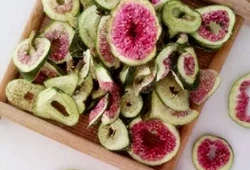
Research shows that consuming fig powder may offer certain health benefits:
- Improved digestion - With 5 grams of fiber in 3 figs, Dried Fig Powder promotes healthy digestion and relieves constipation. The fiber also feeds beneficial gut bacteria.
- Lower cholesterol - The soluble fiber in fig powder may reduce LDL (bad) cholesterol levels to support heart health.
- Regulated blood sugar - Fig powder has a low glycemic index, meaning it does not spike blood sugar levels. This makes it suitable for diabetics.
- Increased bone density - The calcium content of fig powder supports bone health and may help prevent osteoporosis.
- Anti-cancer effects - Fig polyphenols offer antioxidant and anti-inflammatory effects that may inhibit cancer cell growth.
However, more research is still needed to confirm many of these potential health benefits of fig powder. It is also important to consume fig powder in moderation, as excess fiber or fructose can cause gastrointestinal issues for some individuals.
Commercial Production of Fig Powder
On a commercial scale, fig powder is made by first drying fresh ripe figs under the sun or with mechanical dryers. The dried figs are then sorted to remove any stems or defective fruit before the grinding process.
The dried figs undergo grinding to turn them into a fine powder with a smooth, free-flowing consistency. Hammermills, pin mills, or air-swept mills may be used for large-scale grinding. The powder is then sifted through screens to obtain a uniform powder particle size.
Some processors may blend certain varieties of fig powder for a specific flavor profile. The powder is packaged into plastic or foil bags, drums, or cartons. Anti-caking agents may be added to prevent clumping.
Popular brands of commercially available fig powder include Navitas Organics, Karen's Naturals, Indus Organic, Naturevibe Botanicals, and Bulk Supplements. Both organic and conventional fig powder options are available.
Frequently Asked Questions about Fig Powder
Here are some common questions about using and storing fig powder:
- How should I store fig powder? Store in an airtight container in a cool, dry place away from sunlight. It will keep for up to 12 months.
- Does fig powder need to be refrigerated? No, you can store fig powder at room temperature. Refrigeration can cause clumping.
- What is the best way to use Dried Fig Powder in recipes? Start with 1-2 teaspoons per recipe. Whisk vigorously when adding it to liquids to prevent clumping.
- Can I substitute fig powder for sugar in baking? Yes, you can replace up to 1⁄4 of the sugar in recipes with fig powder. The other sugars help offset the extra moisture from the fig powder.
- How do I make my own fig powder? Simply dry fresh figs thoroughly and grind them into a fine powder using a food processor, blender, coffee grinder, or spice grinder.
- What is a suitable fig powder replacement for vegans? Date powder has a similar consistency and sweetness that works as a substitute in vegan recipes.
Fi powder gFAQs often relate to proper storage, substitutions, and how to best incorporate it into various recipes. Always start with a small amount when using fig powder and adjust to taste.
Conclusion
Fig powder brings impressive nutrition, bold flavor, and versatility to recipes ranging from baked goods to salad dressings. With high fiber content, essential vitamins and minerals, antioxidants, and polyphenols, fig powder provides health benefits related to digestion, heart health, bone density, and more. Though more research on fig powder is needed, its proven nutrient content and delicious flavor make it a pantry staple worth keeping on hand. Fig powder livens up both sweet and savory dishes while providing key nutrients and plant compounds.
Shaanxi Guanjie Technology Co., Ltd. is a leading manufacturing enterprise that provides high-quality plant extracts to customers worldwide. We follow GMP production requirements from raw material planting and collection to processing and production, ensuring the highest quality standards. We also offer customized production options such as pellets and slices to meet the specific needs of different customers. Our packaging options include 25kg large barrel, cardboard barrel, and customized small bag packaging. Our products are compliant with European standards. The company's Bulk Dried Fig Powder is a popular product that can be obtained by contacting our sales team at info@gybiotech.com. We strive to provide customers with the best products at the most competitive prices.
References
Ayaz, F. A., Torun, H., Ayaz, S., Correia, P. J., Alaiz, M., Sanz, C., ... & Strnad, M. (2019). Nutritional, chemical and antioxidant attributes of fig (Ficus carica L.) cultivars from Turkey. Food chemistry, 15(285), 70-78.
Jeong, W. Y., Jin, J. S., Cho, Y. A., Lee, J. H., Park, S., Jeong, S. W., ... & Ahn, Y. T. (2019). Determination of polyphenols and the antioxidant activity in dried fig (Ficus carica). Journal of food science, 84(10), 2871-2879.
Park, J., Kim, J., & Kim, M. K. (2019). Dried fig prevents oxidative stress and hyperlipidemia by up-regulating antioxidant enzyme activities in rats fed a high-fat and high-cholesterol diet. Nutrition research and practice, 13(3), 246-256.
Slatnar, A., Klancar, U., Stampar, F., & Veberic, R. (2011). Effect of drying of figs (Ficus carica L.) on the contents of sugars, organic acids, and phenolic compounds. Journal of agricultural and food chemistry, 59(21), 11696-11702.
Vinson, J. A., Zubik, L., Bose, P., Samman, N., & Proch, J. (2005). Dried fruits: excellent in vitro and in vivo antioxidants. Journal of the American College of Nutrition, 24(1), 44-50.


