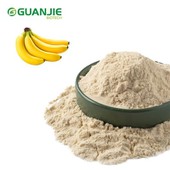
The global demand for red dragon fruit powder is surging as manufacturers replace artificial dyes with clean label ingredients. Derived from Hylocereus costaricensis, organic pitaya powder provides a vibrant purple-red hue, rich dietary fiber, and antioxidants for beverages, baking, and dairy applications. However, formulating with freeze-dried pitaya powder presents technical challenges. Its primary pigments, betalains, are highly sensitive to heat, light, and pH shifts, making natural food coloring prone to fading during industrial food processing. Food scientists and beverage developers must optimize thermal processing to preserve color stability, shelf life, and brand consistency. Partnering with a reliable wholesale pitaya powder supplier ensures access to high-stability, nutrient-dense ingredients tailored for commercial manufacturing.

Chemical Characteristics and Degradation Mechanism of Coloring
The coloring components in dragon fruit powder are primarily betalains-a class of water-soluble pigments divided into reddish-purple betacyanins and yellow betaxanthins. Betacyanins dominate red pitaya powder, with betanin and isobetanin acting as the main chromophores. Understanding their degradation mechanism is vital for maintaining color stability in natural food dye manufacturing.
Chemical Structure of Betacyanins
Betacyanins consist of betanidin bound to a glycosyl group. Their vibrant hue stems from a conjugated double-bond system. However, this structure renders red dragon fruit powder sensitive to thermal processing, light, oxygen exposure, and pH fluctuations, leading to pigment breakdown.
Key Degradation Pathways in Pitaya Powder
• Thermal Hydrolysis and Isomerization:
Heat induces C-15 isomerization of betanin into isobetanin. Subsequent C-N bond hydrolysis breaks the pigment down into colorless betalamic acid and Cyclo-DOPA glucoside, causing rapid fading during high-temperature processing.
• Decarboxylation:
Extreme heat or pH extremes cause decarboxylation, shifting the bright reddish-purple hue of red dragon fruit powder to a dull, orange-brown shade.
• Oxidative Degradation:
Dissolved oxygen, peroxides, and trace metal ions (like Fe3+ or Cu2+) generate free radicals that cleave betalain pigments, accelerating irreversible color loss.
Enzymatic Browning: Polyphenol oxidase (PPO) and peroxidase (POD) in raw pitaya fruit oxidize phenolic precursors, generating brown polymers if enzymes are not properly inactivated during drying.
Controlling thermal exposure, oxygen levels, and pH is essential for preserving the vibrant color and quality of commercial dragon fruit powder.
Key Factors Affecting Dragon Fruit Powder Color Stability
In food and beverage processing, key manufacturing parameters directly dictate the color retention rate and pigment stability of spray-dried red dragon fruit powder (pitaya powder). Understanding these variables ensures optimal quality control for natural food coloring applications.

Thermal Processing Parameters (Temperature and Duration)
Heat processing methods like pasteurization, UHT sterilization, baking, and spray drying heavily degrade betalains-the primary pigment in red dragon fruit powder. The thermal degradation kinetics follow a first-order reaction model. Temperatures exceeding 60°C rapidly accelerate betalain destruction, while processing at 80°C–100°C drastically shortens the pigment half-life (t1/2), resulting in severe color loss.
Acidity Environment (pH Value)
Betalain pigments maintain peak structural stability within a pH range of 4.0 to 6.0, though performance remains acceptable between 3.0 and 7.0.
pH < 3.0: Chromophore protonation and hydrolysis alter the hue, shifting the vibrant pink-purple color toward a yellowish-red tone.
pH > 7.0: Irreversible deamination occurs, rapidly converting the vivid pitaya powder pigment into an undesirable yellowish-brown color.
Water Activity (aw) and Moisture Control
Water activity in solid dragon fruit powder determines long-term storage shelf-life. High water activity (aw > 0.5) increases molecular mobility, accelerating hydrolysis and oxidation reactions. Maintaining low water activity (aw < 0.3) is critical to preserving long-term color retention.
Light Exposure and Wavelength
Direct light exposure-specifically UV-A/UV-B radiation and short-wave visible light-triggers electronic excitation. Photo-oxidation increases the degradation rate of red pitaya pigment by 2 to 5 times compared to dark storage conditions.
Dissolved Oxygen and Metal Ion Catalysts
Residual oxygen in packaging drives betalain oxidation. Additionally, trace metal ions (such as Fe2+ and Cu2+) act as oxidation catalysts, significantly reducing the thermal stability and light resistance of natural dragon fruit colorants.
Technical Control Strategies in Dragon Fruit Powder Processing
Optimizing stability and bioactive retention in bulk dragon fruit powder (pitaya powder) requires strict technical controls during food and beverage manufacturing:
Advanced Drying & Processing Techniques
• Spray Drying Optimization:
Encapsulate red dragon fruit powder concentrate using polymeric carriers such as gum arabic and maltodextrin. Maintain inlet temperatures at 140°C–160°C and outlet temperatures at 75°C–85°C to limit thermal degradation of natural betalain pigments.
• Vacuum Freeze-Drying:
For high-value freeze-dried dragon fruit powder bulk, low-temperature vacuum drying solidifies pigments under low-oxygen conditions, preserving the vibrant purplish-red hue and functional antioxidants.
Synergistic Compound Protectants
• pH Regulation:
Integrate citric acid, malic acid, or ascorbic acid to lock the pH within the optimal 4.0–5.0 stability range.
• Free Radical Scavengers:
Utilize sodium isoascorbate, rosemary extract, or tea polyphenols to minimize dissolved oxygen damage to color compounds.
• Chelating Agents:
Add disodium EDTA-2Na or phytic acid to bind trace metal ions and block catalytic oxidation pathways in wholesale pitaya powder formulations.
Carrier Microencapsulation
Protect natural colorants using microencapsulation with wall materials like maltodextrin (DE 10–15), modified starch, or whey protein. This barrier shields sensitive betalains from light, oxygen, and moisture, extending bulk shelf life and heat tolerance.
High-Barrier Packaging Solutions
Package commercial bulk dragon fruit powder in high-barrier materials, such as PET/AL/PE aluminum foil bags or UV-blocking containers. Combine with vacuum sealing or nitrogen gas flushing (MAP) to maintain headspace oxygen levels below 1%.
Comparison Table of Processing Parameters and Stability
Different processing and environmental effect on the color stability of dragon fruit powder.
|
Controllable factor |
Optimal stability range: |
Unstable range / Critical value |
Degradation Mechanism and Phenotypic Characteristics |
Industrial Control Recommendations: |
|
Temperature |
4°C – 25°C (storage) < 60°C (processing) |
> 70°C (continuous heating) > 100°C (short-term treatment) |
Hydrolysis, cleavage, and isomerization; color changes from purplish-red to dark red and then light yellow. |
Use low-temperature drying; employ short-time UHT sterilization followed by rapid cooling. |
|
pH |
pH 4.0 – 6.0 |
pH < 3.0 or pH > 7.0 |
Extremely prone to hydrolysis under strong acid; deamination and structural destruction under alkaline conditions, resulting in a yellowish-brown color. |
Add citric acid/buffered salts to lock the system pH at approximately 4.5. |
|
aw |
aw < 0.3 |
aw > 0.5 |
Increased molecular mobility accelerates hydrolysis and enzymatic/non-enzymatic browning. |
Use low-moisture-resistance packaging containing a desiccant; control the finished product moisture content to < 5%. |
|
Light |
Darkness/Light blocking O2 <1% |
UV irradiation / strong visible light |
Excited-state oxidation; the intensity of the reddish-purple color (A₅₃₈ₙₘ) decreases exponentially. |
Store in light-protected aluminum foil composite packaging or dark-colored containers. |
|
Oxygen and metal ions |
Free metal ions |
Contains Fe³⁺, Cu²⁺ ions |
Free radicals initiate chain oxidation, causing pigment fading and non-enzymatic browning. |
Package should be nitrogen-filled to remove oxygen; add 0.01% phytic acid or citric acid as a chelating agent. |
Comparison of the effects of different drying techniques on the quality and color characteristics of dragon fruit powder
|
Drying Technology Classification |
Process Parameter Range: |
Color retention (L∗,a∗,b∗) |
Beetroot anthocyanin retention rate |
Industrial Application Feasibility and Cost |
|
Freeze-dried Dragon Powder |
Freezing -40°C Sublimation Vacuum < 50 Pa |
Extremely high, highly reproduces the natural color of fresh fruit (high a* value) |
90% – 95% |
High cost; suitable for high-end health products and high-end baked goods/beverages. |
|
Spray-dried Dragon Powder |
Inlet Air 150°C / Outlet Air 80°C Excipients: 15%-30% Maltodextrin |
Above average, color is slightly lighter (due to carrier dilution), color tone is stable |
70% – 85% |
Low cost; suitable for large-scale industrial production; widely used in solid beverages. |
|
Hot air drying Dragon Powder |
50°C – 70°C Continuous Hot Air 12–24 Hours |
Poor, color is dull, obvious browning occurs (increased b* value) |
30% – 50% |
Low cost, but significant pigment loss; not recommended for products with high color requirements. |
Formulating with Wholesale Dragon Fruit Powder in Food & Beverages
Unlocking the vibrant potential of premium pitaya powder requires tailored processing strategies across key application scenarios:

Solid Beverages & Instant Powders
In dry mixes like pink lemonade and meal replacements, moisture control protects product integrity. Formulators should utilize microencapsulated spray-dried dragon fruit powder paired with anhydrous citric acid. Packaging in high-barrier aluminum foil prevents clumping, preserving the rich shade of this organic dragon fruit powder.
Low-Temperature Dairy & Yogurt
The acidic environment of fermented dairy (pH 4.0–4.5) naturally stabilizes vibrant betalain pigments. For maximum color impact, integrate bulk dragon fruit extract aseptically post-pasteurization. Native milk proteins act as a protective barrier, keeping your natural food coloring vibrant throughout shelf life.
Baked Goods & Confectionery
High heat (>160°C) degrades natural pigments. To maintain appeal, apply freeze dried pink pitaya powder primarily in cold-processed frostings, fillings, or low-temperature baked goods. When heating is required, increase the usage rate and incorporate citric acid to lower dough pH, mitigating thermal fading.
FAQs:
Q1. What causes dragon fruit powder to lose its vibrant purple-red color during processing?
The vibrant color stems from betalains, specifically betacyanins. These natural pigments are highly sensitive to heat, light, oxygen, and pH shifts, which trigger molecular cleavage, oxidation, or dealkylation, causing the bright purple-red hue to fade or turn brown.
Q2. Which pH range provides optimal color stability for dragon fruit powder applications?
Natural dragon fruit powder bulk demonstrates maximum pigment stability within a pH range of 4.0 to 6.0. Environments with a pH below 3.0 or above 7.0 accelerate thermal degradation, causing irreversible color shifts toward yellow-brown shades.
Q3. How does processing temperature affect the pigment retention of dragon fruit powder?
Betalains follow first-order thermal degradation kinetics. Processing temperatures above 60°C significantly shorten pigment half-life. Prolonged heating at elevated temperatures leads to rapid hydrolysis and loss of visual appeal, requiring low-temperature methods or UHT treatments.
Q4. Can dragon fruit powder be effectively used in high-temperature bakery products?
High baking temperatures above 160°C present severe challenges to betalain stability. To retain color, developers often adjust formulation pH with citric acid, over-dose the dragon fruit bulk powder to compensate for loss, or use it primarily in fillings and icings.
Q5. How does spray drying compare to freeze drying regarding color preservation?
Freeze drying dragon powder operates at low temperatures and vacuum, retaining up to 95% of native betalains. Carrier-assisted spray drying dragon fruit powder retains 70–85% of pigments, offering a cost-effective, highly soluble alternative for large-scale industrial beverage manufacturing.
Q6. What additives can be used to improve the color stability of dragon fruit powder?
Formulators can add organic acids like citric acid to optimize pH, along with antioxidants like ascorbic acid or rosemary extract to scavenge free radicals. Chelating agents like sodium phytate also prevent metal-catalyzed pigment oxidation.
Q7. Why is moisture control essential for maintaining the shelf life of dragon fruit powder?
High water activity (aw > 0.5) increases molecular mobility, accelerating hydrolysis and degradation reactions. Keeping water activity below 0.3 with moisture-proof packaging and desiccant agents ensures long-term color preservation and prevents caking during storage.
Q8. What packaging specifications are recommended to prevent color degradation during storage?
Packaging should feature high oxygen, moisture, and light barriers, such as PET/AL/PE foil laminates. Utilizing modified atmosphere packaging (MAP) with nitrogen flushing to keep headspace oxygen below 1% prevents light-induced and atmospheric oxidation.
Q9. How To Choose Dragon Fruit Powder For Food Manufacturer?
Choose bulk dragon fruit powder with high betalain content, optimal mesh size, and strong solubility. Ensure strict quality control and low moisture levels to guarantee vibrant color and extended shelf life. Guanjie Biotech provides high-quality OEM/ODM dragon fruit powder tailored to your food manufacturing needs.
Conclusion:
Clean-label food formulation relies heavily on vibrant, plant-based colorants. Dragon fruit powder, a premium natural betalain pigment source, offers an attractive reddish-purple hue for functional foods and beverages. Because betalanins degrade under extreme heat, light, and oxidation, stability requires precise processing. Utilizing microencapsulation spray drying or freeze-dried dragon fruit techniques preserves pigment integrity. Maintaining system pH between 4.0–6.0, adding natural antioxidants, and utilizing light-proof, nitrogen-flushed barrier packaging maximizes color stability throughout shelf life, delivering consistent visual appeal for modern clean-label products.
Looking for high-quality dragon fruit powder? Guanjie Biotech is a trusted pitaya powder supplier providing premium red dragon fruit powder bulk options. We recommend tailored products to fit your exact business needs, supported by full OEM and ODM services. Contact us today for custom formulation solutions!
References:
[1] Hoang, B. Q., Nguyen, N. H., Do, Q. A., Pham, T. N., Do, T. L. H., & Duong, D. T. N. (2021). Impact of temperature and relative humidity on physicochemical properties of the spray dried red flesh dragon fruit powder during storage. The Journal of Agriculture and Development, *20*(4), 34-42.
[2] Effect of maltodextrin and gum arabic encapsulation on betacyanin stability in dragon fruit (Hylocereus polyrhizus) pulp and peel powders during storage. (2024). Food Science & Nutrition. Wiley Online Library.
[3] Degradation kinetics and thermodynamic analysis of betalains in microencapsulated beetroot juice using maltodextrin and sweet potato starch. AGRIS - International Agricultural Science and Technology Information System. FAO.
[4] Comparative evaluation of ultrasonic, high pressure, and pulsed electric field processing on the extraction and storage stability of betalains from red beet by-products. (2025). National Institutes of Health (NIH).
[5] Huang Meihua, Zhang Ezhen, Xin Ming, Lin Lijing, Huang Maokang, Qin Renyuan, Huang Zhenyong. (2015). Study on the stability of red pigments in dragon fruit powder prepared by different processes. Journal of Tropical Crops, *36*(10), 1873-1878.
[6] A processing method for instant dragon fruit powder. (2023). China Science and Technology Achievements, CN2300151447. Wanfang Data.