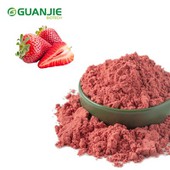
Due to its alleged health benefits, matcha green tea powder has gained popularity recently. Matcha comes from the Camellia sinensis plant and is made from specially grown and processed green tea leaves. One of the primary concerns around matcha is its caffeine content. Unlike other teas, matcha contains the entire green tea leaf, providing a more concentrated source of nutrients and caffeine. This article will examine the caffeine levels in matcha powder and discuss the potential effects.

What Is Caffeine?
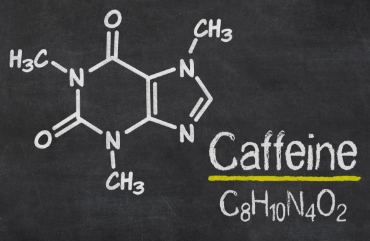
The leaves, seeds, and fruits of over 60 different plant species contain caffeine, a natural stimulant. The most widely recognized dietary wellsprings of caffeine are espresso, tea leaves, kola nuts, and cacao cases. The human body is influenced in a number of ways by caffeine, including enhancing mood, stimulating the central nervous system, increasing alertness, delaying fatigue, and increasing alertness. An excessive amount of caffeine can cause nervousness, insomnia, jitters, and headaches. Wellbeing specialists prescribe restricting caffeine admission to 400mg each day or less in solid grown-ups. Unreasonable admission has been connected to hypertension, coronary illness, and unsuccessful labor risk. While caffeine does have downsides, moderate intake around 200mg may provide cognitive and physical performance benefits.
Nutritional Composition of Matcha Green Tea Powder
Matcha green tea powder has a number of health-enhancing compounds in addition to caffeine. Polyphenols like epigallocatechin gallate (EGCG), which aid in the fight against free radicals that have the potential to harm cells, are among the antioxidants that matcha is high in. It additionally contains L-theanine, an amino corrosive that initiates unwinding and alpha mind waves. Bulk Matcha Tea Powder also contains vitamin C, selenium, chromium, zinc, and magnesium. The whole leaf powder provides fiber and chlorophyll, which may reduce inflammation and promote detoxification. Due to this robust nutritional profile, matcha exhibits antiviral, anti-aging, anticancer, and metabolism-boosting activities according to research.
Does Matcha Green Tea Powder Contain Caffeine?
Yes, matcha green tea powder contains caffeine. Matcha is made from shade-grown green tea leaves that are ground into a fine powder. Unlike regular steeped green tea, matcha contains the entire leaf matter. Leaves of the Camellia sinensis plant naturally contain caffeine, which acts as a defense mechanism against insects. When the whole leaf is ingested in powdered form, you gain the full caffeine content. Most matcha powders contain around 30 to 70mg of caffeine per gram of powder. By comparison, brewed green tea only provides around 10-20mg per gram of leaves. The increased caffeine load comes from consuming the leaf matter directly rather than infusing tea leaves in water.
How Much Caffeine Is in Matcha Green Tea Powder?
The exact caffeine content of matcha bulk powder can vary based on leaf grade, harvesting time, and preparation method. According to ConsumerLabs, caffeine concentrations can range from 34 to 75mg per gram among popular matcha brands. Specific batches tested contained between 29.4mg and 61.5mg per gram. In general, one gram of matcha green powder equals roughly 35mg of caffeine. By comparison, an average 8 ounce cup of brewed coffee provides 95-200mg. For matcha prepared traditionally, a 4 gram serving whisked in 2 ounces of hot water contains around 140mg caffeine on average. It is important to note that independent lab testing found certain matcha products contain much higher or lower caffeine levels than claimed. Always check third-party testing certificates for validated amounts.
Effects of Caffeine (H2标签)
In moderate doses, caffeine can increase alertness, improve reaction time, boost metabolism, enhance mood, and heighten exercise performance [16]. However, too much caffeine may cause anxiety, headaches, insomnia, jitters, and stomach upset in sensitive individuals. Consuming over 600mg per day on a regular basis also increases health risks. Since matcha contains less caffeine than brewed coffee, adverse effects are less likely, especially when taken as traditionally prepared. However, those with anxiety disorders or hypertension should limit intake to avoid unwanted symptoms. Matcha's L-theanine content helps offset the stimulatory effects of caffeine as well. Overall, matcha provides a gentler, slower release of caffeine for sustained energy.
Benefits of Matcha Green Tea Powder
Aside from the modest caffeine content, matcha boasts other evidence-based health benefits. Matcha exhibits antioxidant, anti-inflammatory, and anti-carcinogenic activities according to clinical research. Drinking matcha may support heart health, blood sugar regulation, brain function, immune defense, and fat burning. One study gave healthy adults 1 gram daily of matcha for 12 weeks and found enhanced cognition, mood, and psychomotor speed. Other trials conclude matcha can increase fat oxidation during exercise and reduce LDL cholesterol levels. Modern research is also evaluating matcha's potential as a neuroprotective agent.
Precautions and Considerations (H2标签)
Pregnant women are advised to limit caffeine from all dietary sources to less than 200mg per day. Those sensitive to stimulants may experience headaches, jitteriness, or upset stomach from matcha's caffeine content. Matcha supplements or extracts with highly concentrated caffeine could carry toxicity risks. It is also important to avoid boiling water when preparing matcha to prevent a bitter taste and diminished antioxidant capacity. Always opt for high quality ceremonial grade matcha from Japan for the best flavor, color, and health benefits.

Research and Evidence
Numerous scientific studies have demonstrated the unique nutritional and health benefits of matcha green tea powder. Research shows matcha can boost metabolism, enhance cognitive function, promote fat burning, and act as a potent antioxidant. While promising, larger clinical trials are still needed to validate effects. Current evidence remains limited due to matcha's specificity to Asian populations. Continued mechanistic studies exploring how matcha impacts human physiology will further support its therapeutic potential.
Conclusion
Matcha green tea powder does contain caffeine given it is derived from the whole green tea leaf. However, matcha provides a moderate caffeine boost equivalent to brewed green tea. When traditionally prepared, a 4 gram serving delivers around 140mg caffeine on average. Consuming matcha can provide sustained energy, cognitive enhancement, and antioxidant protection according to scientific research. Just be mindful of your personal caffeine tolerance and opt for high quality ceremonial grade for the best experience. Considering the whole leaf nutrition and health benefits, matcha stands out as a smart caffeine source.
Shaanxi Guanjie Technology Co., Ltd is a manufacturing enterprise that was established in 2003. With our expertise in freeze-dried and spray-dried products, we operate two independent production lines to ensure optimal production capabilities. Our commitment to quality is evident through our ISO9000, ISO22000, HALAL, KOSHER, and HACCP certifications. From the planting and collection of raw materials to processing and production, we strictly adhere to the requirements of GMP production enterprises. Additionally, we offer OEM services, allowing us to customize production based on the specific needs of our customers, whether it be pellets or slices. We provide diverse packaging options, including 25kg large barrels, cardboard barrels, and customized small bag packaging. Rest assured, our products comply with European standards, ensuring their quality and safety. Among our range of high-quality products, our Bulk Matcha Tea Powder stands out with ample inventory availability. If you are interested in purchasing this product or have any inquiries, please contact our sales team at info@gybiotech.com.
References
[1] Heckman, M. A., Weil, J., & Gonzalez de Mejia, E. (2010). Caffeine (1, 3, 7-trimethylxanthine) in foods: a comprehensive review on consumption, functionality, safety, and regulatory matters. Journal of food science, 75(3).
[2] McLellan, T. M., Caldwell, J. A., & Lieberman, H. R. (2016). A review of caffeine's effects on cognitive, physical and occupational performance. Neuroscience & Biobehavioral Reviews, 71, 294-312.
[3] Nawrot, P., Jordan, S., Eastwood, J., Rotstein, J., Hugenholtz, A., & Feeley, M. (2003). Effects of caffeine on human health. Food additives and contaminants, 20(1), 1-30.
[4] American College of Obstetricians and Gynecologists. (2010). Moderate caffeine consumption during pregnancy. Committee Opinion No. 462. Obstet Gynecol, 116, 467-8.
[5] Unachukwu, U. J., Ahmed, S., Kavalier, A., Lyles, J. T., & Kennelly, E. J. (2010). White and green teas (Camellia sinensis var. sinensis): variation in phenolic, methylxanthine, and antioxidant profiles. Journal of food science, 75(6).
[6] Nobre, A. C., Rao, A., & Owen, G. N. (2008). L-theanine, a natural constituent in tea, and its effect on mental state. Asia Pacific journal of clinical nutrition, 17(S1), 167-168.
[7] Weerawatanakorn, M., Shimada, T., Endo, Y., & Kimura, M. (2018). Chemical compositions and health benefits of matcha green tea. Food Reviews International, 1-17.
[8] Perez-Vizcaino, F., & Duarte, J. (2010). Flavonols and cardiovascular disease. Molecular aspects of medicine, 31(6), 478-494.
[9] Yuan, J. M. (2013). Cancer prevention by green tea: evidence from epidemiologic studies. The American journal of clinical nutrition, 98(6), 1676S-1681S.
[10] ConsumerLab (2019). Matcha Green Tea.