

Yes, natural almond powder has calcium. With the growing demand for nutritious and functional foods, the mineral content of natural ingredients has become an important factor in product development. Calcium is an essential mineral for the human body. It is widely used in food fortification and health products. Almond bulk powder is a premium nut ingredient. It is widely used in baked goods, meal replacement products, dairy products, and functional foods. When selecting almond powder, food manufacturers carefully evaluate its nutritional value. Calcium content is one of the most important factors.

Does Almond Powder Have Calcium?
Natural almond powder is naturally rich in calcium. It is considered a high-calcium plant ingredient for the food industry. Unlike wheat flour or corn starch, almond powder provides much more natural calcium. This gives it an advantage in nutritional formulations. According to food nutrition data, standard edible almond powder contains about 240 mg to 270 mg of calcium per 100 g. This level is much higher than most grains and common baking ingredients.
Almond protein powder also compares well with other foods. Pure milk contains about 100 mg to 120 mg of calcium per 100 g. Almond powder provides more than twice that amount. Ordinary wheat flour contains less than 40 mg of calcium per 100 g. Almond bulk powder contains more than six times as much calcium. In addition, the calcium in natural almond powder is naturally present. It is not added as calcium carbonate, calcium lactate, or other food additives. This makes almond powder a clean-label ingredient that supports the growing demand for natural foods.
The calcium content of pure almond powder may vary slightly. It depends on the almond variety, growing conditions, and processing method. Sweet almond powder used for food production usually has stable calcium levels. It is the preferred choice for the food industry. High-quality almond powder is produced by gentle peeling and low-temperature grinding. These processes help retain the natural calcium and other nutrients. They also reduce nutrient loss and provide consistent quality for large-scale food manufacturing.
What Are The Advantages of Almond Powder Calcium in Food?
For the food industry, the nutritional value of raw material, almond powder, is very important. Nutrient retention, nutrient absorption, and formula compatibility are also key factors. Almond powder performs well in all three areas. This makes it a good choice for health foods and functional foods.
• Firstly, almond powder has a high calcium retention rate.
Natural almond powder is suitable for industrial processing. Guanjie Biotech uses low-temperature grinding, aseptic purification, and refined sorting. These processes help protect nutrients. They also avoid high-temperature baking and excessive refining, which can reduce nutrient levels. As a result, the calcium retention rate remains above 95%. Compared with highly processed nut powders and grain powders, almond pure powder has a more stable calcium content. Batch-to-batch differences are very small. This helps food manufacturers produce products with consistent nutritional values.

• Secondly, the plant-based calcium in almond powder is easy to absorb.
It increases the nutritional value of the final product. Pure almond powder naturally contains calcium, plant protein, unsaturated fatty acids, and dietary fiber. These nutrients work together and support calcium absorption. Almond powder is also gentle on the digestive system. It is suitable for meal replacement products, infant nutrition, senior nutrition, and sports nutrition. In addition, almond powder is naturally lactose-free. It is a good choice for people with dairy allergies or lactose intolerance. It can partially replace dairy-based calcium in vegetarian, lactose-free, and hypoallergenic products.
• Finally, the calcium in almond powder works well with other nutrients.
This improves the overall nutritional profile. Natural almond powder is also rich in plant protein, vitamin E, magnesium, potassium, and other minerals. Magnesium helps the body absorb calcium more effectively. Together, these nutrients provide balanced nutrition. Food manufacturers can increase the levels of calcium, protein, and vitamins with one natural ingredient. This reduces the need for extra nutritional additives. It also simplifies product formulas, lowers production costs, and meets consumer demand for clean-label and naturally nutritious foods.
What Is Almond Powder Calcium Used in Food?
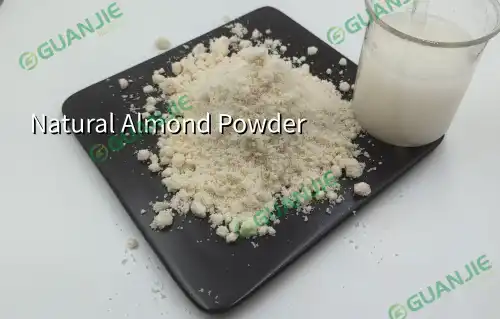
Bulk almond flour has a naturally high calcium content. It also has excellent processing performance. These advantages make it a popular ingredient in the global food industry. It is widely used to improve the nutrition of many food products.
• Firstly, in baked goods.
Bulk almond flour is widely used in cakes, cookies, bread, and pastries. It can replace part of the wheat flour. This increases the calcium content without changing the texture or shape. Almond flour is also gluten-free and has a fine texture. It is ideal for making gluten-free and high-calcium baked products. These products meet the needs of consumers with special diets.
• Secondly, in meal replacement and solid beverages.
Almond flour is a key ingredient in meal replacement powders, cereal powders, and plant-based drink powders. Its natural calcium content helps create high-calcium products. It reduces the need for added calcium ingredients. This supports clean-label products. It is widely used in weight management products and daily nutrition supplements.
• Thirdly, in plant-based beverages.
Bulk almond flour is an important ingredient in almond milk and mixed nut drinks. It naturally increases the calcium content of plant-based beverages. This helps improve their nutritional value. High-calcium almond drinks can better compete with dairy products. They are also suitable for vegetarians and people with lactose intolerance.
• Fourthly, in snacks and nutritional products.
Bulk almond flour is added to nut crisps, energy bars, children's nutrition powders, and foods for older adults. It helps increase the mineral content in these products. It is naturally high in calcium and provides balanced nutrition. It is suitable for children, older adults, athletes, and health-conscious consumers.
FAQs:
1. Is almond powder naturally high in calcium?
Yes. Almond powder naturally contains about 240–270 mg of calcium per 100 g, making it an excellent plant-based calcium source. The calcium occurs naturally in almonds and is not added during processing.
2. Does almond powder contain more calcium than wheat flour?
Yes. Almond powder contains more than six times the calcium found in ordinary wheat flour. While wheat flour usually contains less than 40 mg of calcium per 100 g, almond powder provides around 240–270 mg per 100 g.
3. Can almond powder replace dairy as a calcium source?
Almond powder can provide a valuable source of plant-based calcium, especially for vegetarian, vegan, and lactose-free products. Although it should not be considered a complete replacement for dairy in every application, it helps increase calcium levels in many food formulations.
4. Does processing reduce the calcium content of almond powder?
High-quality manufacturing processes help preserve the natural calcium. Low-temperature grinding and careful processing minimize nutrient loss, allowing almond powder to retain most of its original calcium content.
5. Which food products use high-calcium almond powder?
Almond powder is widely used in baked goods, almond milk, plant-based beverages, meal replacement powders, protein shakes, nutrition bars, breakfast cereals, cookies, and functional foods to improve nutritional value.
6. Is the calcium in almond powder easy to absorb?
Almond powder naturally contains magnesium, healthy fats, and plant protein. These nutrients support normal calcium utilization as part of a balanced diet, making almond powder a nutritious ingredient for many food products.
7. Is almond powder suitable for clean-label products?
Yes. Almond powder provides naturally occurring calcium without adding calcium carbonate or other fortification ingredients. This makes it an excellent choice for clean-label and naturally nutritious food products.
Conclusion:
In conclusion, almond powder is a natural, high-quality, high-calcium ingredient for the food industry. It contains much more calcium than many common grain ingredients. It also offers high calcium retention, good absorption, and excellent compatibility with different formulas. It is naturally free from artificial additives. These benefits help food companies improve nutrition, optimize formulas, and develop new products. As demand for healthy, functional, and clean-label foods grows, the market for high-calcium almond powder continues to expand. Guanjie Biotechnology has a strong R&D team, strict quality control, and a reliable global supply chain. The company provides stable, high-quality bulk high-calcium almond powder to support food manufacturers worldwide. Welcome to enquire with us at info@gybiotech.com.
References:
Kausar, T., Laaraj, S., Hussain, A., Noutfia, Y., Bouhrim, M., Mothana, R. A., ... & Elfazazi, K.
[2] (2024). Use of dehydrated carrot (Daucus carota) pomace and almond (Prunus dulcis) powder for partial replacement of wheat flour in cake: effect on product quality and acceptability. Frontiers in Sustainable Food Systems, *8*.
[3] (2024). Suitability of Almond Bagasse Powder as a Wheat Flour Substitute in Biscuit Formulation. Journal of Food Quality, *2024*(1), 7152554.
[4] Data Bridge Market Research. (2024). Global Almond Powder Market – Industry Trends and Forecast to 2032.
[5] USDA Food Nutrient Database. (n.d.). Nutritional data for Almond Flour. Cited from Women's Health (Taiwan) and other media outlets.
[5] Duarte, S., Harasym, J., Sánchez-García, J., Kelaidi, M., Betoret, E., Betoret, N., & Addi, M.
[6] (2024). Suitability of Almond Bagasse Powder as a Wheat Flour Substitute in Biscuit Formulation. Journal of Food Quality, *2024*, 1-15.
[7] (2025). The addition of plant protein to yogurt reduces the bioaccessibility of essential elements. Food Research International.


