

Natural Spirulina powder has gained enormous popularity due to its exceptional nutritional profile and health benefits. Among the various types of spirulina products available, blue spirulina phycocyanin powder is particularly prized for its high content of phycocyanin - a natural blue pigment with potent antioxidant and anti-inflammatory properties. This passage will explore in detail how to check spirulina quality, covering physical, chemical, microbiological, and sensory evaluations.
Spirulina and Its Quality Parameters
Spirulina is valued mainly for its rich protein content, vitamins, minerals, and especially phycocyanin, the natural pigment that gives blue spirulina its characteristic vibrant color. Quality assessment involves multiple facets.
•Purity and identity (confirming it is genuine spirulina)
•Phycocyanin content (marker of potency)
•Absence of contaminants (heavy metals, toxins, microbes)
•Physical characteristics (appearance, color, smell)
•Nutritional composition (protein, vitamins)
Visual and Physical Inspection
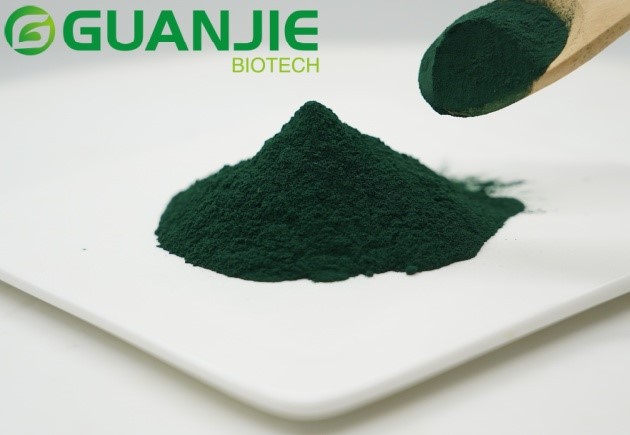
•Color
Dried Spirulina powder should have a bright, vibrant blue color. The intensity of blue correlates directly with phycocyanin content and purity.
Dull or faded color may indicate poor quality or degradation due to oxidation or improper storage.
Uniformity of color throughout the batch indicates consistent quality.
•Appearance and Texture
The powder should be fine, free-flowing, and free from visible lumps or foreign particles.
There should be no signs of moisture or clumping, which can indicate improper drying or contamination.
•Odor
Fresh blue spirulina powder should have a mild, fresh, slightly marine-like odor.
Any strong or off-putting smell (musty, sour, or rancid) suggests spoilage or microbial contamination.
Phycocyanin Content
Dried spirulina powder is the signature bioactive pigment-protein complex found in blue spirulina. It is responsible for the powder's vibrant blue color and is widely recognized for its antioxidant, anti-inflammatory, and immune-supporting properties. Therefore, phycocyanin content serves as the primary quality marker for blue spirulina powder.
Quantification Method
The most common method to measure phycocyanin content is a spectrophotometric assay, which involves measuring the absorbance of light at specific wavelengths corresponding to phycocyanin's unique absorption spectrum. This method is precise, reliable, and widely accepted in both research and industrial settings.
Content Specifications
At Guanjie Biotech, we manufacture the content of dried spirulina powder typically ranging from 10% to 25% or higher, depending on customer requirements and application needs. Higher phycocyanin content not only indicates purer material but also correlates directly with stronger antioxidant potency, making the product more effective for health and nutritional uses.
Protein Content
Spirulina is renowned for its exceptionally high protein content, which can range between 60% to 70% of its dry weight. This makes it an excellent plant-based protein source for dietary supplements and functional foods.
Importance of Protein Testing
Protein content analysis helps validate the nutritional value of the dried spirulina powder. It is also a critical factor in detecting adulteration or substandard biomass quality. Lower-than-expected protein levels may suggest contamination, dilution with fillers, or poor cultivation and harvesting practices.
Testing Methods
The Kjeldahl method remains the gold standard for protein quantification. It measures the total nitrogen content, which is then converted into protein percentage based on known nitrogen-to-protein ratios. Alternative nitrogen analysis methods, such as the Dumas combustion method, are also used for rapid protein estimation.

Accurate protein content data not only assures quality but also supports nutritional labeling and compliance with regulatory standards.
Moisture Content
Moisture control is vital for maintaining pure spirulina powder's shelf life and safety. Excess moisture can promote microbial growth, spoilage, and degradation of active compounds, including dried spirulina powder.
Moisture Limits
Typically, moisture content should be maintained below 7-8% in dry spirulina powders to ensure stability and longevity. Higher moisture content may cause clumping and reduce the natural spirulina powder's flowability and usability.
Measurement Method
The Loss on Drying (LOD) test is commonly used to measure moisture. This involves weighing a sample before and after drying it under controlled conditions to determine the percentage of water lost. The method is simple, cost-effective, and accurate.
Proper moisture control during processing and packaging is essential to preserve the product's quality until it reaches the end user.
Ash Content
Ash content indicates the total mineral residue left after complete combustion of the organic material in spirulina powder. It reflects the mineral composition, which can be nutritionally beneficial but also indicates potential contamination.
Expected Range
For good quality spirulina, ash content usually falls within 5-8%. This range suggests appropriate harvesting, washing, and processing methods that minimize contamination by soil or inorganic debris.
Concerns with High Ash
An unusually high ash content may signal contamination with dirt, sand, or other inorganic materials, which could compromise product purity and safety. Monitoring ash content helps ensure that the raw material is clean and well-processed.
pH Level
The pH level of dried spirulina powder or its aqueous extracts provides insights into freshness and chemical stability.
Typical pH Range
Spirulina is naturally alkaline, and its pH typically ranges from 9 to 11. This alkalinity is important for maintaining the stability of bioactive compounds such as phycocyanin and for preventing microbial growth.
Significance of Deviations
If the pH measurement deviates significantly from this range, it could indicate chemical degradation, contamination, or improper processing. Regular pH testing helps ensure product consistency and freshness.
Heavy Metals Testing
Heavy metal contamination is a critical safety concern in dried spirulina powder products. Spirulina can bioaccumulate heavy metals such as lead, arsenic, mercury, and cadmium, particularly if grown in polluted water sources.
Importance of Testing
Heavy metals are toxic to humans and can cause serious health issues. Therefore, rigorous testing ensures that spirulina products are safe for consumption and comply with international safety standards.
Testing Techniques
Inductively Coupled Plasma Mass Spectrometry (ICP-MS) and Atomic Absorption Spectroscopy (AAS) are the primary analytical techniques used to detect and quantify heavy metals in spirulina powder. These highly sensitive methods can detect trace amounts of contaminants at parts-per-billion (ppb) levels.
Microbiological Testing
Ensuring dried spirulina powder is free from harmful microorganisms is critical for safety.
Total Plate Count (TPC)
TPC measures the total number of viable aerobic bacteria present in a sample. It serves as a general indicator of the sanitary conditions during processing and handling. While a low TPC is normal for natural products, a high count may suggest poor hygiene, inadequate drying, or contamination during production. Regular monitoring of TPC helps ensure that the manufacturing environment meets food safety standards.
Pathogen Screening
Pathogen testing is critical to verify the absence of harmful microorganisms such as Salmonella spp., Escherichia coli (E. coli), and Staphylococcus aureus. These pathogens can cause serious health issues and are strictly regulated by food safety authorities worldwide. The presence of any of these organisms renders the product unsafe for consumption and unfit for market distribution. Guanjie Biotech conducts stringent pathogen screening to meet international safety standards.
Yeast and Mold Counts
Yeast and molds can grow if dried spirulina powder is exposed to excess moisture or stored improperly. Though not all fungi are harmful, high yeast and mold levels can indicate spoilage, reduce shelf life, and pose potential health risks, particularly to immunocompromised individuals. Acceptable levels should be minimal and well within regulatory limits.
Chemical Composition Testing
|
Parameter |
Method/Tool |
Quality Indicator |
|
Color |
Visual inspection |
Bright, vibrant blue |
|
Appearance |
Visual and tactile |
Fine, free-flowing powder |
|
Odor |
Sensory test |
Fresh, mild marine smell |
|
Phycocyanin Content |
Spectrophotometry |
≥ 10-25% per product spec |
|
Protein Content |
Kjeldahl nitrogen method |
High protein (60-70%) |
|
Moisture |
Loss on drying |
<7-8% moisture |
|
Ash Content |
Ash testing |
5-8% ash |
|
pH |
pH meter |
pH 9-11 (alkaline) |
|
Heavy Metals |
ICP-MS/AAS |
Below regulatory limits |
|
Microbial Count |
Microbial culture methods |
Low TPC, no pathogens |
|
Cyanotoxins |
ELISA/HPLC |
<1 ppb microcystins |
|
DNA Identification |
PCR/DNA barcoding |
Confirms Arthrospira species |
|
Packaging |
Physical inspection |
Sealed, moisture/light proof |
|
Storage |
Environmental control |
Cool, dry, dark place |
Checking spirulina quality involves a multi-faceted approach, including physical, chemical, nutritional, microbiological, and safety evaluations. By applying these criteria, manufacturers and consumers can ensure spirulina products deliver maximum health benefits without risks. Choosing reliable suppliers like Guanjie Biotech, who adhere to strict quality control and advanced manufacturing practices, guarantees a superior dried spirulina powder product. If you are interested in our products, please feel free to enquire at info@gybiotech.com.


