

Hibiscus Sabdariffa Flower Powder Supplier | Roselle Powder for Food Applications
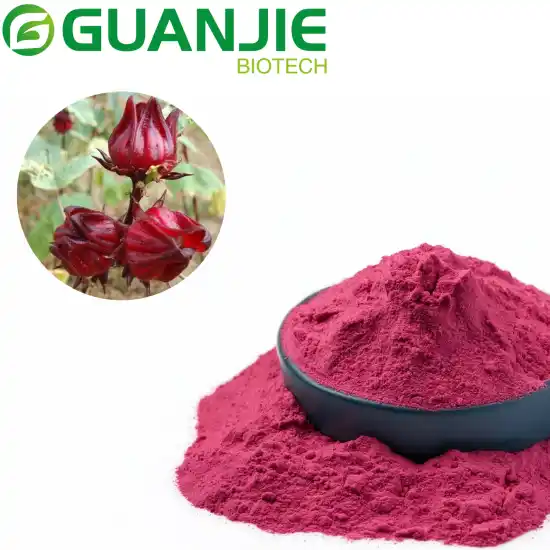
Guanjie Biotech is a hibiscus sabdariffa flower powder supplier. Roselle powder is also known as hibiscus powder or Hibiscus sabdariffa powder, is a plant-based ingredient made from the calyces of Hibiscus sabdariffa L. Our natural roselle powder typically has a purplish-red to rose-red color and a characteristic tart flavor. It is widely used as a food ingredient in solid beverages, meal-replacement powders, compressed candies, bakery fillings, sauces, and dietary supplements. As a versatile bulk roselle powder ingredient, it is suitable for food, beverage, and nutraceutical manufacturers.

COA:
|
Item |
Specification |
Method |
|
Basic Product Information |
||
|
Genus and Species |
Hibiscus sabdariffa L. |
/ |
|
Part of the Plant |
Dried Calyx |
/ |
|
Country of Origin |
China |
/ |
|
Organoleptic Data |
||
|
Appearance |
Powder |
GJ-QCS-1008 |
|
Color |
Purple Red |
GB/T 5492-2008 |
|
Odor |
Characteristic |
GB/T 5492-2008 |
|
Taste |
Characteristic |
GB/T 5492-2008 |
|
Physical Characteristics |
||
|
Particle Size (80 mesh) |
95.0% pass 80mesh |
GB/T 5507-2008 |
|
Loss on drying |
<5.0% |
GB/T 14769-1993 |
|
Ash Content |
<5.0% |
AOAC 942.05, 18th |
|
Solvent Residue |
None |
GJ-QCS-1007 |
|
Heavy Metals |
||
|
Total Heavy Metals |
<20ppm |
USP <231>, method II |
|
As |
<5.0ppm |
AOAC 986.15, 18th |
|
Pb |
<3.0ppm |
AOAC 986.15, 18th |
|
Cd |
<1.0ppm |
AOAC 986.15, 18th |
|
Hg |
<1.0ppm |
AOAC 971.21, 18th |
|
Microbiology |
||
|
Total Plate Count |
<10,000/g |
AOAC 990.12, 18th |
|
Total Yeast & Mold |
<1,000/g |
FDA (BAM) Chapter 18, 8th Ed. |
|
E. Coli |
Negative |
AOAC 997.11, 18th |
|
Salmonella |
Negative |
FDA (BAM) Chapter 5, 8th Ed. |
Roselle Powder Classifications
Guanjie Biotech provides two products: whole hibiscus sabdariffa flower powder and spray-dried roselle extract powder. These products differ in composition, water solubility, anthocyanin concentration, and production costs. Both options are available to meet different food and beverage manufacturing requirements.
Whole Roselle Powder (Raw Powder)
Whole hibiscus sabdariffa flower powder, also known as pure roselle powder or hibiscus sabdariffa powder, is produced by cleaning, drying, milling, and sieving roselle calyces. The finished powder typically has a particle size of 80–120 mesh. No water extraction or organic solvents are required during milling.
This processing method retains the original plant components, including dietary fiber, proteins, sugars, organic acids, and anthocyanins. However, whole roselle powder has limited water solubility and may form a cloudy suspension with natural sedimentation. It is suitable for meal-replacement powders, grain blends, sauces, and other solid food formulations.
Spray-Dried Roselle Extract Powder (Instant Powder)
Spray-dried roselle extract powder is produced through hot-water or ambient-temperature extraction, filtration, vacuum concentration, and spray drying. Removing most insoluble fibers improves its water dispersibility and allows it to produce a clearer solution, depending on the extraction and filtration specifications.
Available specifications may include 10:1 or 20:1 extract ratios or standardized anthocyanin content. This water-soluble roselle powder is suitable for liquid beverages, instant drink mixes, and formulations requiring consistent color and soluble components.
How to Choose the Right Roselle Powder
For solid beverages, compressed candies, and grain-based products, whole roselle powder can offer a cost-effective option. For liquid beverages and products requiring standardized anthocyanin levels, spray-dried roselle extract powder is generally more suitable. Buyers should compare solubility, specifications, anthocyanin content, and application requirements before selecting a hibiscus sabdariffa flower powder supplier.
Roselle Powder Functions
The chemical composition and functional properties of hibiscus sabdariffa flower powder are mainly associated with its calyces. Dried roselle calyces contain dietary fiber, protein, reducing sugars, anthocyanins, organic acids, and other bioactive compounds. Published research reports approximately 11% dietary fiber, 3.5%–7.9% protein, 16% reducing sugars, and 1%–1.5% anthocyanins. Actual levels may vary depending on the variety, growing conditions, and processing methods.
Anthocyanins
Hibiscus sabdariffa flower powder anthocyanins are the primary pigments responsible for the characteristic red to purplish-red color of natural roselle powder. The main compounds include delphinidin-3-sambubioside and cyanidin-3-sambubioside, together with their glucoside derivatives. These pigments also contribute to the antioxidant activity of roselle. Their stability is affected by pH. Under acidic conditions (pH below 4), anthocyanins generally maintain a red color and better stability. At neutral or alkaline pH, their color may shift toward blue or violet, followed by degradation.
Organic Acids
Roselle calyces contain citric acid, hydroxycitric acid, hibiscus acid, malic acid, and tartaric acid. These organic acids contribute to the characteristic sour taste of hibiscus powder. They also influence formulation pH and may help maintain anthocyanin stability in acidic food and beverage systems.
Polyphenols and Flavonoids
Besides anthocyanins, roselle calyx powder contains other polyphenols and flavonoids associated with antioxidant activity. In vitro research has reported DPPH radical-scavenging and antioxidant capacity in roselle samples. However, laboratory results do not directly establish health benefits in finished products. Further evaluation is necessary before making antioxidant-related product claims.
Other Nutritional Components
Roselle also contains vitamin C, vitamin E, minerals such as iron, calcium, zinc, and potassium, and various amino acids. Their concentrations depend on raw material quality and processing conditions. These chemical constituents make bulk hibiscus sabdariffa flower powder a potential ingredient for food, beverage, and natural coloring formulations.
Functional Properties and Mechanisms of Roselle Powder
1. Antioxidant Activity
Hibiscus sabdariffa flower powder contains anthocyanins and other phenolic compounds with antioxidant properties. Their phenolic hydroxyl groups can help scavenge free radicals in laboratory assays. Roselle extract has demonstrated DPPH and ABTS radical-scavenging activity in vitro. These properties make roselle extract powder a potential ingredient for functional beverages, health foods, and other formulations targeting antioxidant positioning.
2. Natural Coloring Properties
Natural roselle powder produces a red to purplish-red color in aqueous formulations. Its color changes with pH: acidic conditions generally produce redder shades, while higher pH levels may result in purple or bluish tones. As a plant-based color ingredient, roselle bulk powder is suitable for beverages, jellies, confectionery, and selected dairy applications. It supports clean-label product development and can help reduce reliance on synthetic colorants, depending on formulation requirements.
Roselle Powder Application Formulation
Hibiscus sabdariffa flower powder is used in food, beverage, and nutritional product formulations. Depending on the processing method, manufacturers can select pure roselle powder or spray-dried roselle extract powder to meet different application requirements. Its characteristic red color, acidic flavor, and anthocyanin content make it suitable for several product categories.
Solid Beverages and Instant Powder Mixes
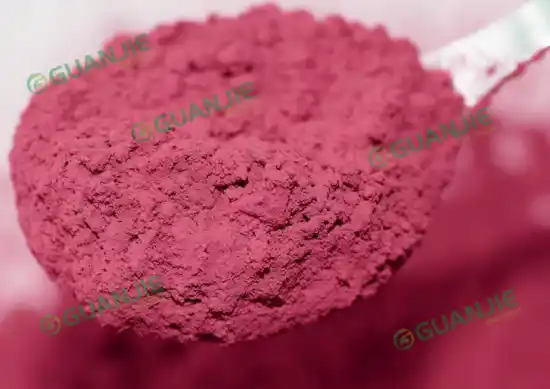
Natural hibiscus sabdariffa flower powder is recommended for instant beverages. The suggested addition level is 1%–3% of the finished product weight. It dissolves readily in water and produces a rose-red beverage with minimal visible sediment.
During formulation, manufacturers should balance acidity and sweetness by adjusting sweeteners such as erythritol or sucralose. The natural acidity of roselle may partially reduce the need for added citric or malic acid. When milk powder or non-dairy creamer is included, interactions between anthocyanins and proteins may change the beverage color. CMC-Na or adjustments to the mixing sequence may help improve formulation stability.
Compressed Tablets
Hibiscus sabdariffa flower powder can be used in tablet formulations. Pure roselle powder contains dietary fiber, which may affect powder flow and tablet compression. Adjusting the lubricant level, such as magnesium stearate, may help reduce sticking. Roselle extract powder generally offers better processing flexibility for high-speed tablet production.
A suggested inclusion level is 2%–5%. Because roselle extract is hygroscopic, maintain relative humidity below 45% during production. Finished tablets should be packed in moisture-resistant aluminum foil packaging.
Liquid Beverages and Concentrated Juices
Roselle bulk powder for beverages is recommended at an addition level of 0.5%–2%. Maintaining the finished beverage pH between 3.0 and 4.0 can help preserve anthocyanin color stability.
Processing temperature and time should also be considered. UHT treatment or pasteurization may be suitable alternatives to prolonged high-temperature sterilization, depending on the product's microbial safety requirements. Light-resistant packaging, including opaque PET bottles and aluminum cans, can help reduce color degradation during storage.
Baking Products and Sauces
Hibiscus sabdariffa flower powder for food applications retains dietary fiber and contributes a characteristic fruity, acidic flavor. A suggested addition level is 3%–8%, based on the flour or sauce base weight.
However, anthocyanins are sensitive to heat. High-temperature baking may cause color fading or a shift toward brownish-red. For products requiring a brighter red appearance, consider adding roselle powder after cooling or selecting a suitable heat-stable color formulation.
Meal Replacement Powders and Nutritional Bars
Bulk roselle powder can be incorporated into meal replacement powders and nutritional bars. If the pure hibiscus sabdariffa flower powder contains approximately 11% dietary fiber, this value can be considered when calculating the finished product's fiber content, subject to laboratory verification.
A suggested addition level is 5%–10%. Since roselle powder has relatively low oil-absorption capacity, combining it with puffed rice flour or protein powder may help improve the texture and structural firmness of nutritional bars.
Frequently Asked Questions
Q1: How should "pure roselle powder" and "extract powder" be labeled?
A: Pure hibiscus sabdariffa flower powder may be labeled as "Roselle powder" (or Hibiscus sabdariffa powder). If the product is an aqueous extract, it may be labeled as "Roselle extract." If ethanol or other solvents are used, this must be accurately disclosed on the label; furthermore, the final product may not make absolute claims such as "all-natural" or "free of solvent residues." Specific labeling must comply with the requirements of GB 7718 and the applicable product execution standards.
Q2: Is irradiation sterilization required for the roselle powder product?
A: Due to the cultivation environment and the structure of the calyx, raw Roselle typically has an initial microbial load in the range of 10³–10⁴ CFU/g. For standard pure hibiscus sabdariffa flower powder, microbial limits for general food products can be met by controlling the washing process and employing low-temperature grinding. If the final product is a ready-to-eat item (requiring no further washing) or if the total plate count must be below 500 CFU/g, one may request irradiated products from the supplier (typically at a dosage of 4–6 kGy). Note that irradiation may cause a 5%–10% reduction in anthocyanin content, and products treated via irradiation must be labeled accordingly in compliance with relevant regulations.
Q3: Is there a standard testing method for roselle anthocyanin content?
A: The industry commonly uses the pH differential method (AOAC 2005.02) to determine total anthocyanin content, expressed in terms of cyanidin-3-glucoside. Some roselle powder suppliers use UV-Vis spectrophotometry to measure absorbance at 520 nm, applying an empirical conversion factor. It is recommended to specify the testing method and the target value (calculated on a dry-weight basis) in the procurement contract, and to require the supplier to provide a third-party test report-bearing CMA/CNAS accreditation marks-as a basis for acceptance.
Q4: Does the product pose any allergen risks?
A: Hibiscus sabdariffa flower powder belongs to the Malvaceae family and is not included among the eight major categories of allergenic substances specified in GB 7718. However, maltodextrin may be used as a carrier during the spray-drying process of the extract powder (in some lower-grade products). If the final product requires a "gluten-free" or "allergen-free" label, it is necessary to verify the source of the carrier and the allergen control procedures implemented by the supplier.
Q5: What is the difference between roselle powder and roselle extract powder?
A: The main difference is the processing method, composition, and water solubility.
|
Comparison |
Pure Roselle Powder |
Roselle Extract Powder |
|
Processing |
Drying and pulverization |
Extraction and spray-drying |
|
Dietary fiber |
Retained |
Most insoluble fiber removed |
|
Water solubility |
Limited |
Generally higher |
|
Appearance |
Red to purplish-red |
Red to dark red |
|
Application |
Food blends, bars, sauces |
Instant drinks, beverages |
|
Standardization |
Natural composition |
May be standardized for anthocyanins |
Pure roselle powder is suitable for applications requiring whole-plant material, while spray-dried roselle extract is more appropriate for formulations requiring improved solubility and consistent active-component specifications.
Q6: Is roselle powder water-soluble?
A: Pure hibiscus sabdariffa flower powder has limited water solubility because it retains natural dietary fiber and other insoluble plant materials. When mixed with water, it generally forms a cloudy suspension and may produce sediment. Spray-dried roselle extract powder usually has better water solubility because most insoluble fibers are removed during extraction and filtration. Formulators should select the appropriate type according to the clarity and solubility requirements of the finished product.
Certificate
• ISO9001 Quality Management System Certificate
• FSSC22000 Food Safety System Certificate
• HACCP System Certificate
• HALAL Certification
• FDA Registration
• Organic Certification

Lead Time:
Standard products are available from stock and will be dispatched within 3–5 business days of payment. For customized products, the lead time is 7–15 business days following sample approval.
Free Sample:
We support free samples to test the quality.
MOQ:
The minimum order quantity for standard specifications is 1 kg. Tiered pricing is available for bulk orders (exceeding 500 kg). Specific quotes are determined based on mesh size, packaging, order volume, and delivery terms; please contact us to request a formal quotation.

Packaging:
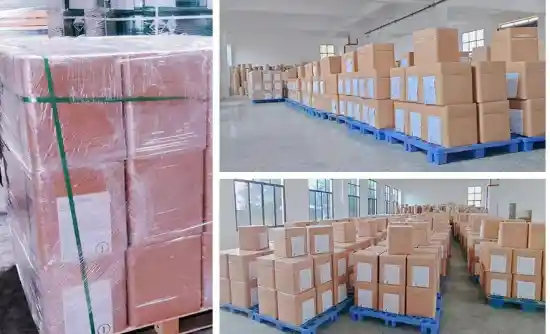
Guanjie Biotech provides flexible aloe vera powder packaging options to meet different B2B purchasing requirements. Standard packaging consists of food-grade polyethylene inner bags packed in 25 kg cardboard drums. Smaller packaging options, including 1 kg and 5 kg aluminum foil bags, are also available for samples and trial production.

Shelf Life:
Under the aforementioned unopened storage conditions, the shelf life is 24 months from the date of production. As this spray-dried extract powder undergoes rapid high-temperature drying, it begins with a low microbial load; however, it remains susceptible to moisture absorption in high-temperature, high-humidity environments. It is recommended to install dehumidification equipment in warehouses located in coastal regions or areas prone to prolonged rainy seasons.
Storage
Store in a cool, dry, and well-ventilated warehouse, away from direct sunlight. Recommended storage conditions are a temperature of ≤25°C and a relative humidity of ≤60%. Once opened, the product should be used as soon as possible; any remaining portion must be resealed and stored in a desiccator to prevent moisture absorption, clumping, and the oxidation of anthocyanins.
Transportation Requirements:
Transport via standard enclosed trucks; ensure the product is not shipped alongside toxic, hazardous, or odor-emitting goods. During long-distance transport in hot summer weather, ensure adequate ventilation within the vehicle; temperatures consistently exceeding 40°C can accelerate the degradation of anthocyanins.
Delivery term
Bulk aloe vera powder transportation is available by DHL, FEDEX, air freight and sea freight. Protect shipments from rain, direct sunlight, and physical impact. For export orders, additional measures, such as pallet reinforcement and container desiccants, help protect product quality during transit.

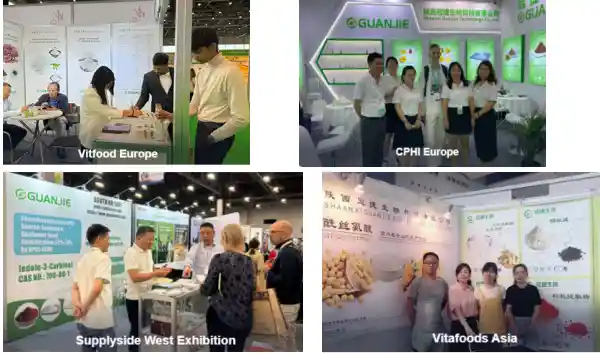
Our Teams & Exhibitions
Hot Tags: hibiscus sabdariffa flower powder, China hibiscus sabdariffa flower powder manufacturers, suppliers, factory


