

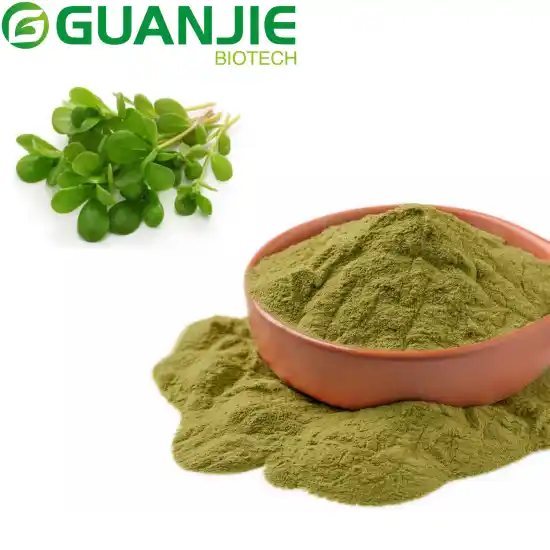
Bulk Purslane Powder Supplier | Low-Temperature Dried Purslane Vegetable Powder
Guanjie Biotech is a portulaca oleracea powder supplier. With a robust quality control system and state-of-the-art processing equipment, we provide our clients with consistent, high-quality, and safe purslane powder. Our product is a green, powdered ingredient crafted from fresh, premium-quality purslane through a meticulous process-including selection, washing, color retention, low-temperature drying, fine grinding, sieving, and sterilization. We welcome inquiries from all interested parties.
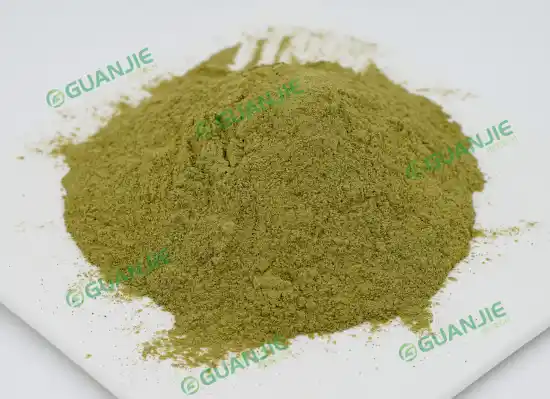
Why Partner with Guanjie Biotech for Purslane Powder?
Guanjie Biotech is a professional purslane powder supplier and manufacturer, providing reliable bulk portulaca oleracea powder solutions for global B2B customers. Our service philosophy focuses on consistent batches, clear specifications, flexible customization, and fast communication. We support the entire purchasing process, from sample evaluation and small-scale trials to pilot production and commercial bulk orders.
By choosing Guanjie Biotech as your Portulaca Oleracea powder supplier, you benefit from:
Consistent Product Quality:
We provide detailed product specifications, Certificates of Analysis (COA), and batch retention management to help maintain product consistency.
Flexible Customization:
Particle size, moisture content, packaging, and custom blending options can be adjusted according to your formulation and production requirements.
Sample Support:
Portulaca oleracea powder Samples are available for product testing and formulation development, helping customers evaluate our natural purslane botanical powder before placing bulk orders.
Quality and Documentation Support:
We assist with product testing reports and relevant documentation to support regulatory and quality assessments in target markets.
Reliable Bulk Supply:
Our raw material sourcing and production planning help support stable Portulaca Oleracea powder wholesale orders and long-term cooperation.
Whether you are a food manufacturer, beverage brand, supplement company, or ingredient distributor, Guanjie Biotech welcomes your inquiries. Contact us for purslane powder specifications, samples, and customized bulk supply solutions.
COA:
|
ITEM |
SPECIFICATION |
RESULTS |
|
Physical&Chemical Control |
||
|
Appearance |
Fine Powder |
Complies |
|
Color |
Green |
Complies |
|
Sieve Analysis |
98% pass 80 mesh |
Complies |
|
Loss on drying |
≤5.0% |
4.29% |
|
Ash |
≤5.0% |
3.46% |
|
Heavy Metals |
≤10ppm |
Complies |
|
Cadmium(Cd) |
≤1ppm |
Complies |
|
Mercury(Hg) |
≤0.1ppm |
Complies |
|
Arsenic(As) |
≤1ppm |
Complies |
|
Lead (Pb) |
≤2ppm |
Complies |
|
Bulk Density |
45~65g/100ml |
Complies |
|
Microbiology Control |
||
|
Total Plate Count |
≤1000 cfu/g |
Complies |
|
Yeast & Mold |
≤100 cfu/g |
Complies |
|
E.Coli |
Negative |
Complies |
|
Salmonella |
Negative |
Complies |
How Does Low-Temperature Drying of Purslane Powder Compare to Other Drying Methods?
Different drying methods can significantly affect the color, aroma, particle characteristics, moisture content, and retention of naturally occurring compounds in purslane powder (Portulaca oleracea powder). Choosing the right processing method is important for manufacturers and bulk buyers who require consistent product quality. Common methods used to produce dried purslane powder include low-temperature drying, conventional hot-air drying, spray drying, and freeze-drying.
|
Drying Method |
Processing Characteristics |
Key Considerations |
|
Low-temperature drying |
Removes moisture under relatively mild temperature conditions |
Drying time, temperature, and moisture control |
|
Conventional hot-air drying |
Uses heated air to evaporate moisture |
Processing efficiency and potential color changes |
|
Spray drying |
Converts liquid raw materials into powder through atomization and rapid drying |
Carrier selection, solubility, and powder properties |
|
Freeze-drying |
Removes moisture through freezing and vacuum sublimation |
Product structure, processing efficiency, and production costs |
Low-Temperature Drying vs. Conventional Hot-Air Drying
Both methods use heated air to remove moisture from plant materials. However, they differ in temperature settings and drying conditions. Low-temperature drying uses relatively mild temperatures to help reduce heat-related changes in the color, aroma, and quality of natural purslane powder. Conventional hot-air drying generally operates at higher temperatures or across a wider temperature range, depending on equipment and production requirements. It may offer faster processing but requires careful temperature management.
Low-Temperature Drying vs. Spray Drying
Low-temperature drying is generally applied directly to cleaned purslane plants or plant materials. In contrast, spray drying Portulaca oleracea powder usually requires liquid raw materials, which are atomized into fine droplets and dried with hot air. These processes can produce different powder characteristics, including particle morphology, composition, and dispersibility. Low-temperature dried Portulaca oleracea powder is suitable for applications requiring a plant-based powder, while spray-dried products may be selected for specific formulation and processing requirements.
Low-Temperature Drying vs. Freeze-Drying
Freeze-drying removes moisture through freezing and sublimation under vacuum conditions. It can help preserve the original structure and certain heat-sensitive components of plant materials. However, this method generally involves higher equipment investment, longer processing times, and greater production costs than conventional thermal drying.
How to Choose the Right Purslane Powder Drying Method?
Low-temperature drying offers a practical balance between processing conditions, product quality, and production costs for certain botanical powders. However, no single drying method is suitable for every application. When selecting a bulk purslane powder supplier, buyers should evaluate the raw material source, drying temperature, final moisture content, particle size, quality specifications, and intended application.
Guanjie Biotech supplies low-temperature dried purslane powder and supports B2B buyers with product information and purchasing assistance. Contact us to discuss Portulaca oleracea powder specifications and bulk supply requirements.
Product Advantages of Purslane Powder
Purslane powder contains alpha-linolenic acid (ALA), vitamins, minerals, dietary fiber, and natural plant compounds. These characteristics make natural purslane powder a potential ingredient for food, beverage, and nutritional product development. Its main advantages include the following:
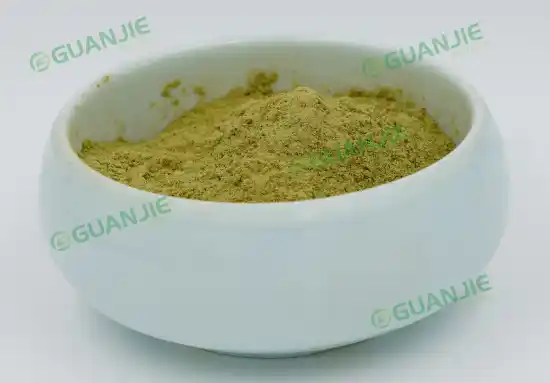
A Plant-Based Source of Omega-3 Fatty Acids
Purslane is recognized as a plant source of alpha-linolenic acid (ALA), an essential omega-3 fatty acid. Unlike fish oil, purslane powder provides a plant-derived option for manufacturers developing vegetarian and vegan food products. Bulk purslane powder can be incorporated into baked goods, meal replacement powders, nutritional blends, and plant-based formulations. Portulaca oleracea powder offers ingredient developers another option for diversifying the fatty acid sources in their products.
A Natural Source of Vitamins and Minerals
Purslane naturally contains vitamins A, C, and E, along with minerals such as potassium, magnesium, calcium, and iron. This nutritional profile makes portulaca oleracea powder suitable for nutritional powders, solid beverages, breakfast cereals, and vegetable-based food products. Manufacturers can evaluate its nutrient content through laboratory testing when developing products with specific nutritional targets.
Natural Plant Compounds and Green Color
Purslane contains various bioactive plant compounds, including flavonoids and other natural antioxidants. Its green appearance also makes purslane vegetable powder suitable for formulations that use plant-derived ingredients. It can be added to yogurt, fruit and vegetable beverages, sauces, and frozen desserts, depending on the required flavor, color, and formulation characteristics.
A Source of Dietary Fiber
Natural purslane powder contains dietary fiber, which contributes to the overall fiber content of food formulations. Pure purslane powder can be used in high-fiber biscuits, nutritional blends, meal replacement products, and vegetable-based snacks. It also works as a complementary plant ingredient alongside oats, chia seeds, and other fiber-containing raw materials.
Suitable for Calorie-Conscious Food Formulations
As a vegetable-derived ingredient, natural purslane powder can be incorporated into products designed for calorie-conscious consumers. Portulaca oleracea powder provides plant-based nutritional components and dietary fiber while allowing manufacturers to diversify their ingredient combinations. Its actual calorie contribution depends on the addition level and product formulation.
Suggestions for Purslane Powder Formulation
The physical properties of purslane powder (Portulaca oleracea powder) influence its applications in food, dietary supplements, cosmetics, and animal nutrition. Its fine texture, natural green color, and mildly acidic herbal flavor make it suitable for various product formulations. As a versatile plant-based ingredient, natural purslane powder can be incorporated into different products according to formulation requirements.
Solid Beverages and Instant Drink Mixes
One of the main applications of purslane powder for beverages is in solid drink mixes and instant plant-based beverages. Its fine particle size allows it to be blended with other powdered ingredients, such as green tea powder, mint powder, fruit powders, and steviol glycosides. These combinations can help balance its mild acidity and herbal flavor.
Manufacturers can use bulk purslane powder to develop convenient single-serve drink sachets, vegetable powder blends, and functional beverage products. The recommended inclusion level should be determined through solubility, sensory, and formulation tests. Guanjie Biotech also supports OEM services for customized powder-based products.
Functional Baked Goods and Grain-Based Products
Portulaca oleracea powder for food can be incorporated into biscuits, bread, noodles, crackers, and extruded snacks. Its natural green color provides an additional coloring option for plant-based food formulations. Some research on biscuits has investigated purslane powder inclusion levels of 2.5%–10%, reporting changes in antioxidant activity, phenolic content, spreadability, and hardness. Actual results depend on the recipe and processing conditions. Purslane powder can also contribute plant-derived fiber and minerals to grain-based formulations.
Dietary Supplements: Tablets and Capsules
Purslane powder for dietary supplements can be used as a botanical ingredient in tablet and capsule formulations. Its particle size, moisture content, bulk density, and flowability should be evaluated before production. For direct-compression tablets, formulators may combine purslane powder with suitable excipients, such as microcrystalline cellulose, to improve compressibility and tablet uniformity. Compatibility and dosage requirements should be confirmed through formulation trials.
Cosmetics and Personal Care Products
Purslane powder for cosmetics can be considered for powdered face masks, facial cleansers, and bath products. Portulaca oleracea is also used as a botanical source in cosmetic ingredient development.
Before commercial application, manufacturers should evaluate microbial limits, heavy metal content, stability, and compatibility with other cosmetic ingredients. Guanjie Biotech can provide relevant product testing documentation to support customer evaluation.
Pet Food and Animal Nutrition
Natural Portulaca oleracea powder may also be evaluated for pet treats, animal feed, and aquaculture feed formulations. Its plant-derived nutrients make it a potential botanical ingredient for animal nutrition products. However, inclusion levels and suitability should be established through species-specific nutritional and safety assessments.
FAQs:
Q1:What are the main nutritional components of purslane powder?
Purslane powder naturally contains several nutrients and plant-derived compounds, including alpha-linolenic acid (ALA), dietary fiber, vitamins, minerals, flavonoids, and other polyphenols. Purslane is particularly known as a plant source of omega-3 fatty acids. Its nutritional composition depends on the raw material, growing conditions, plant maturity, and drying process. Manufacturers should refer to laboratory testing results for accurate nutritional information.
Q2:What are the benefits of using purslane powder in food formulations?
Purslane powder offers several formulation advantages for food manufacturers. It provides plant-derived omega-3 fatty acids, dietary fiber, and naturally occurring minerals. Its green color and characteristic herbal flavor can also contribute to the sensory properties of finished products. It is suitable for developing vegetable powders, nutritional beverages, bakery products, meal replacement blends, and plant-based food formulations.
Q3:Why is low-temperature drying important for purslane powder production?
Low-temperature drying helps reduce excessive heat exposure during purslane powder production. High temperatures may accelerate the degradation of certain heat-sensitive nutrients and natural pigments, as well as change the original color and aroma. Controlled low-temperature drying helps maintain the characteristic green appearance and natural properties of purslane. It also provides a practical balance between processing efficiency and ingredient quality for commercial production.
Q4:What is the difference between low-temperature dried purslane powder and freeze-dried purslane powder?
Low-temperature dried purslane powder is produced using controlled hot-air drying at relatively mild temperatures, while freeze-dried purslane powder is produced by freezing the raw material and removing moisture through vacuum sublimation.
Freeze-drying generally provides good retention of the original plant structure, color, and heat-sensitive components, but involves higher equipment investment and production costs. Low-temperature drying offers a more economical option for large-scale manufacturing. Buyers should select the appropriate process according to their quality specifications, application requirements, and purchasing budget.
Q5:Is purslane powder a good plant-based source of omega-3?
Yes. Purslane naturally contains alpha-linolenic acid (ALA), a plant-derived omega-3 fatty acid. This makes purslane powder an interesting ingredient for plant-based nutritional products and vegetarian food formulations. However, ALA is different from the long-chain omega-3 fatty acids EPA and DHA found in certain marine ingredients. The actual ALA content of purslane powder depends on the raw material and processing method. Buyers should request nutritional analysis before making specific omega-3 content claims.
Q6:Is purslane powder water-soluble?
Whole-plant purslane powder is generally not completely water-soluble because it contains natural dietary fiber and insoluble plant materials. However, it can be dispersed in water to form a green suspension. Its mixing performance depends on particle size, moisture content, and processing conditions. For instant beverage applications, manufacturers should evaluate dispersibility, sedimentation, mouthfeel, and suspension stability through sample testing.
Q7:Can purslane powder be used in dietary supplements?
Yes. Purslane powder can be used as a botanical ingredient in dietary supplement formulations, including capsules, tablets, granules, and powdered blends. Its natural dietary fiber, ALA, and plant-derived compounds make it suitable for nutritional product development. Before manufacturing, formulators should evaluate particle size, moisture content, bulk density, flowability, microbial quality, and compatibility with excipients. Regulatory requirements and permitted claims should also be checked in the target market.
Q8: Can purslane powder be used in cosmetic and skincare products?
Yes. Purslane powder can be considered for cosmetic formulations such as facial masks, facial cleansers, bath products, and other botanical personal care products. Purslane contains naturally occurring plant compounds that have attracted research interest in skincare applications. Cosmetic manufacturers should evaluate ingredient compatibility, particle size, microbiological limits, heavy metal levels, and formulation stability. The final cosmetic product must undergo appropriate safety and regulatory assessments.
High-Quality Control:

Certification

Package:
Guanjie Biotech provides suitable packaging solutions for purslane powder (Portulaca oleracea powder) to help maintain product quality during storage and transportation. Standard packaging includes food-grade inner bags, such as aluminum foil composite bags, packed in protective outer cartons. Nitrogen flushing and oxygen absorbers are available to help reduce oxidation risks. For bulk purslane powder orders, 10 kg and 20 kg packaging options are available, with customized specifications upon request.
For proper storage, keep Portulaca oleracea powder in a cool, dry, and well-ventilated area. Seal the packaging tightly after each use and avoid exposure to sunlight. Once opened, reseal the package promptly and use the product as soon as practical. Follow the shelf-life information provided on the product label or batch documentation.

Portulaca oleracea powder Delivery Methods
During transportation, natural purslane powder should be protected from rain, moisture, and direct sunlight. It should also be kept separate from toxic, hazardous, or strong-smelling materials.

Hot Tags: portulaca oleracea powder, China portulaca oleracea powder manufacturers, suppliers, factory


